Today we celebrate STAR TREK! Born of the Cold War as a symbol of hope. The Cold War is long over; it has transformed into a hot war. That makes symbols of hope all the more necessary. Perhaps STAR TREK can provide us with that symbol once again. Or the many projects inspired by STAR TREK. Like ours!
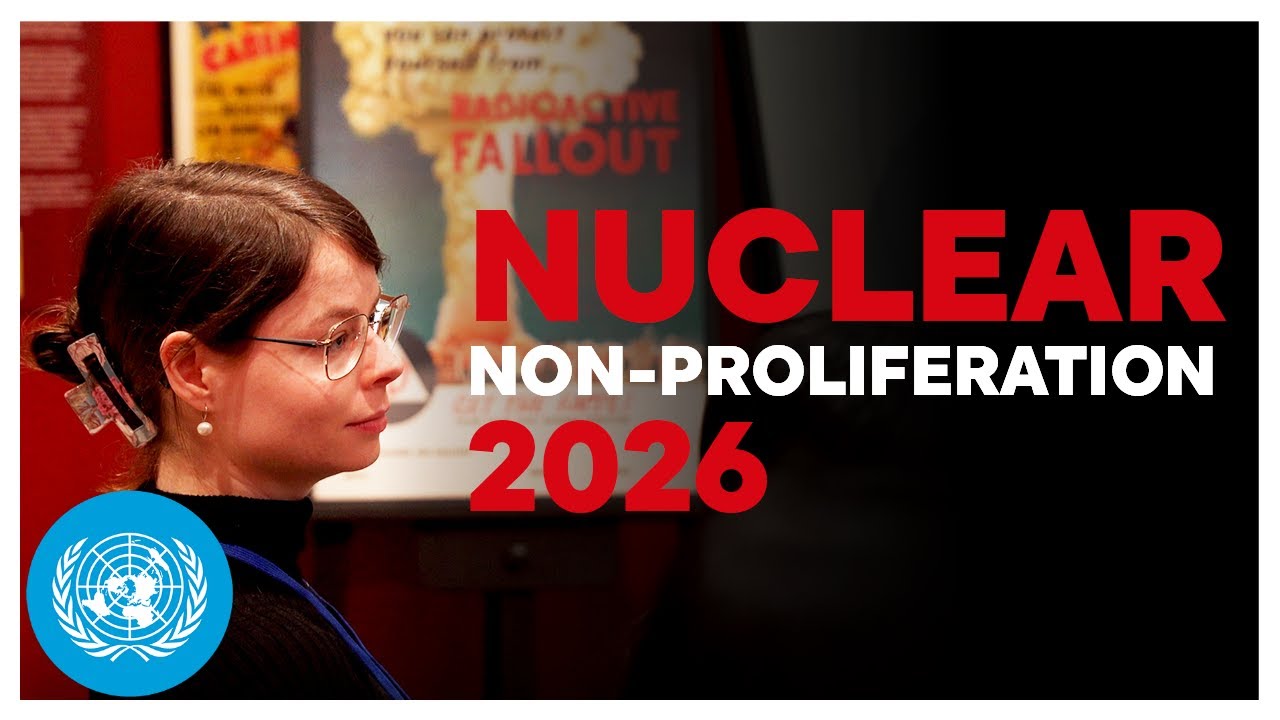
United Nations Under-Secretary-General and High Representative for Disarmament Affairs, Ms. Izumi Nakamitsu, explains why the NPT (Non-Proliferation of Nuclear Weapons) Review Conference this year is critical for nuclear disarmament.
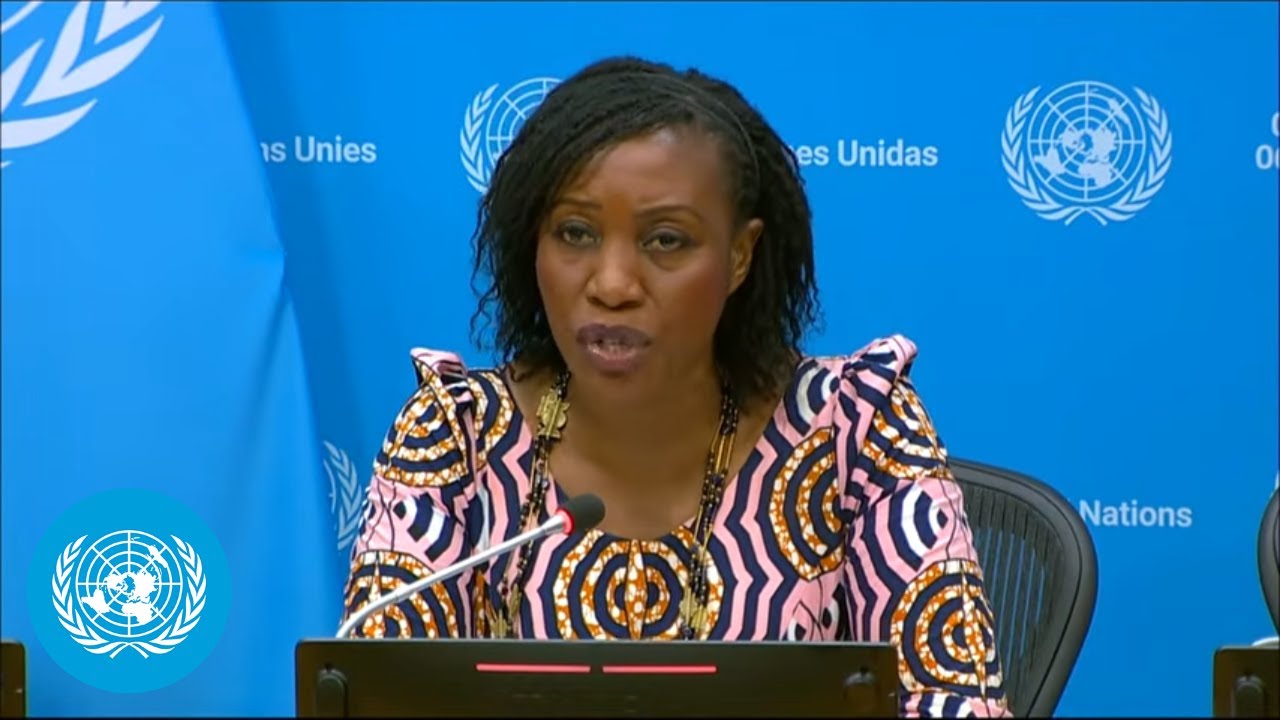
Edem Wosornu, Director of OCHA’s Crisis Response Division, speaking to journalists fresh from her first-ever visit to the country, which “is determined to get itself out of crisis mode.”
“The country is fragile, but the country is hopeful,” she said, but warned that “if we don’t sustain the funding, we will see ourselves slipping back into crisis mode –a context, a situation, we can’t afford.”
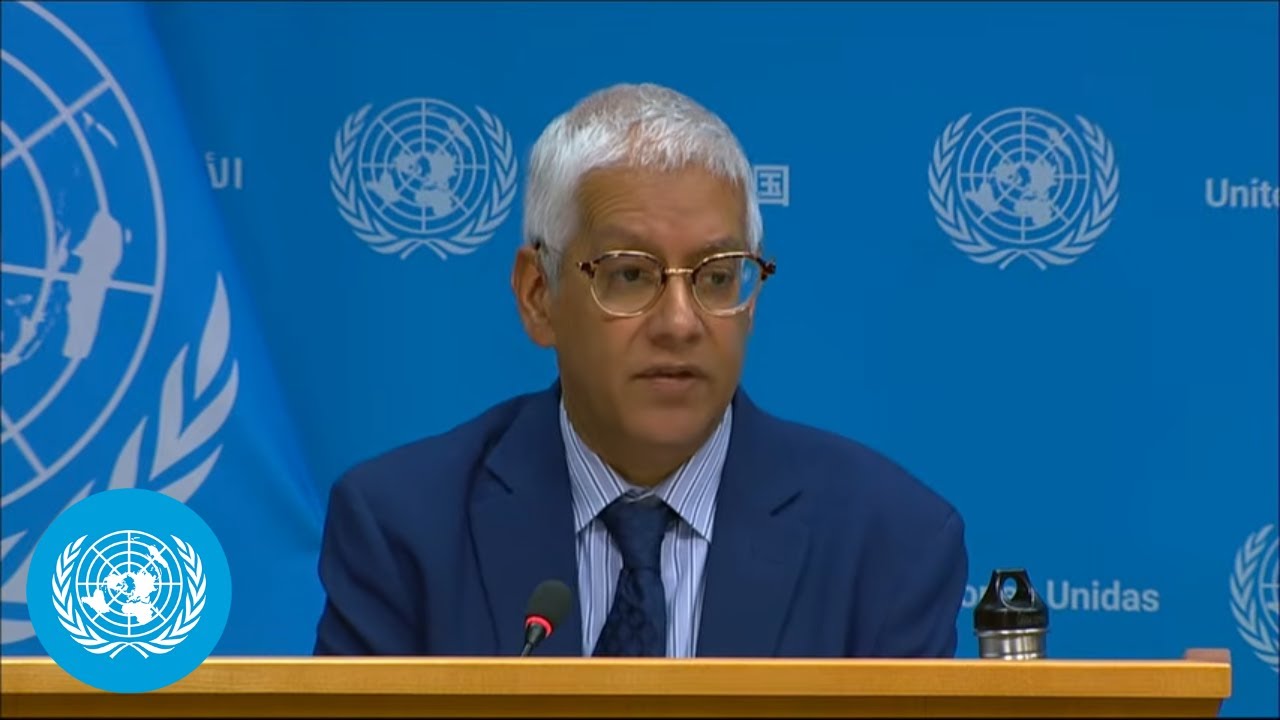
Noon briefing by Farhan Haq, Deputy Spokesperson for the Secretary-General.
TRIP ANNOUNCEMENT/ KENYA AND ETHIOPIA
On Sunday evening, the Secretary-General will arrive in Nairobi, Kenya.
On Monday, he will hold a bilateral meeting with the President of Kenya, William Ruto, before joining him for the inauguration of new UN offices and the groundbreaking of a new conference facility at the UN Office at Nairobi.
During the ceremony, the Secretary-General will highlight the importance of the Kenyan capital as the only UN headquarters in Africa. He will add that the expansion of our campus in Nairobi also sends a clear message that the United Nations must be closer to the regions that it serves, connected to people’s realities and equipped to support solutions where they are being built.
Later on Monday, the Secretary-General will hold a press conference, a townhall meeting with our colleagues based in Kenya, and hold a number of bilateral meetings, before attending a state dinner hosted by the President of Kenya.
On Tuesday, the Secretary-General will deliver remarks during the Opening ceremony of the Africa Forward Summit. In his remarks, he is expected to renew his appeal for global reforms to ensure that Africa has the voice, representation and decision-making power it deserves.
Later in the day, Mr. Guterres will deliver remarks during a plenary session of the Africa Forward Summit focusing on peace and security on the African continent.
Both sessions can be seen live on UN WebTV.
On Tuesday evening, the Secretary-General will travel to Addis Ababa, Ethiopia, for the 10th African Union-United Nations Annual Conference, which is scheduled on the following day.
Discussions this year will include topics such as the impact of the latest conflict in the Middle East on the African continent and the AU theme of the year: Assuring Sustainable Water Availability and Safe Sanitation Systems.
Following the conclusion of the AU-UN annual conference on Wednesday afternoon, the Secretary-General will have a meeting with the Chairperson of the African Union Commission and the President of France.
In the evening, he will also attend a reception hosted by the Prime Minister of Ethiopia to commemorate the 80th Anniversary of the United Nations, which will include the launch of commemorative Ethiopian stamps.
The Secretary-General is expected back in New York on Thursday, 14 May.
UNIFIL
Yesterday, two humanitarian organizations successfully conducted missions to Tyre in Sector West, in Lebanon, following coordination with the UNIFIL–OCHA civil‑military coordination cell and deconfliction through the UNIFIL Liaison Branch.
UNIFIL continues to report extensive Israeli Defense Forces activity across its area of operations, including armoured movements, large‑scale engineering works, sustained logistical traffic, and significant air activity, mainly in Sector East. UNIFIL also observed drone activity in Sector West, reportedly conducted by Hizbullah.
Once again, IDF personnel temporarily blocked a UNIFIL convoy north of Al Naqoura yesterday. We underscore that UNIFIL must be able to carry out its mandate without obstruction, and that freedom of movement for peacekeepers must be fully respected at all times.
Yesterday, the IDF issued displacement orders for residents of Deir Zahrani, Bfarwe, and Habbouche, calling on civilians to evacuate at least 1,000 meters toward open areas. Since the ceasefire, such orders have doubled, now affecting at least dozens of towns and villages and forcing tens of thousands of people in southern Lebanon to flee once again. We urge all parties to uphold international humanitarian law and to protect civilians and civilian infrastructure.
LEBANON
Also from Lebanon, OCHA reports that the humanitarian situation remains fragile as violence and displacement continue to affect civilians across the country.
Humanitarian needs remain severe, particularly in the health sector. Our health partners continue to support the Ministry of Public Health in maintaining essential services despite the insecurity and repeated attacks on healthcare facilities. To date, more than 58,000 health consultations have been provided, alongside medication for acute diseases.
According to the Ministry of Public Health, between Wednesday and yesterday evening, at least 12 people were killed and dozens of others were injured. We are deeply concerned by reports from the Lebanese Ministry of Public Health that an ambulance team was struck by an Israeli strike in Majdal Silim, resulting in the death of one paramedic and the injury of another. Attacks affecting medical crews are particularly alarming; international humanitarian law is clear that medical personnel, facilities, and vehicles must be protected at all times.
Full Highlights: https://www.un.org/sg/en/content/noon-briefing-highlight?date=2026-05-08
As part of the annual UN remembrance days (8–9 May) dedicated to victims of World War II, this video features the personal testimony of a Roma survivor from Ukraine presented at the United Nations, recounting experiences of the Holocaust in Eastern Europe.
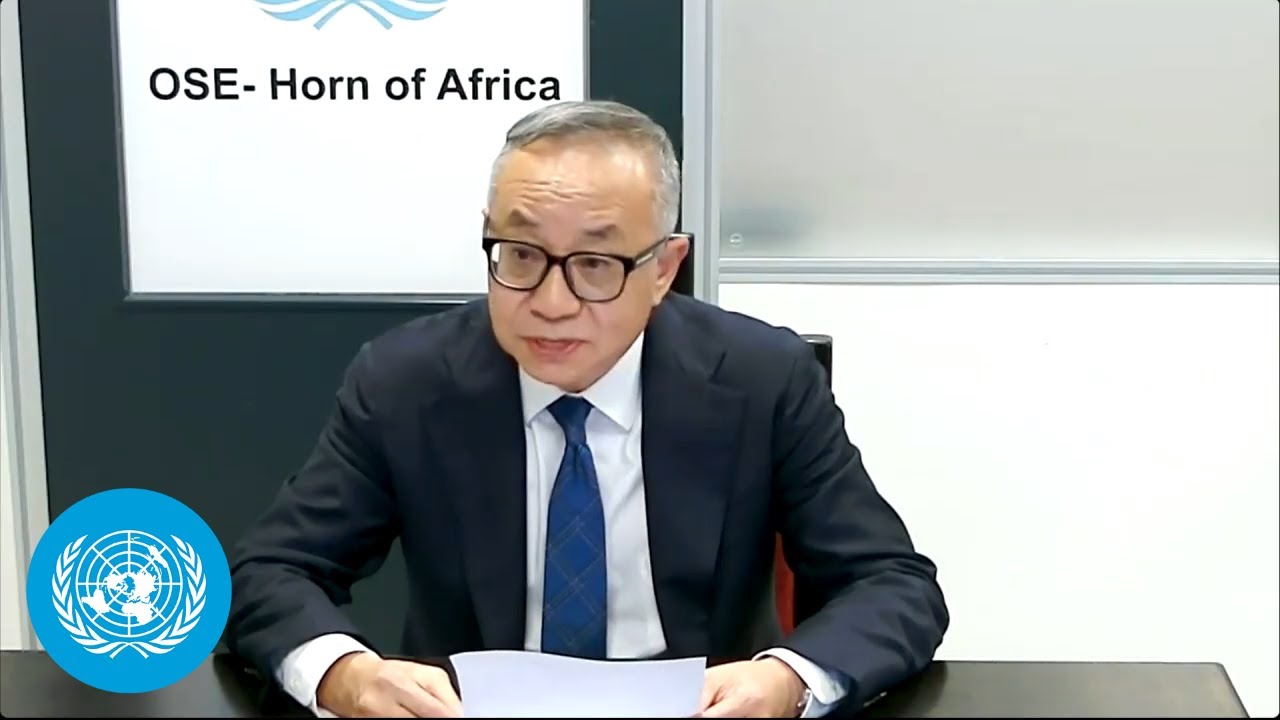
Briefing via VTC, the Special Envoy for the Horn of Africa, Guang Cong told the Council that “since the start of the war in Sudan in 2023, over 1.3 million Sudanese refugees and South Sudanese returnees have fled to South Sudan,” and added that “this massive influx has compounded an already dire humanitarian situation.”
Cong said his Office continues to engage with the Abyei High-Level Committee and other stakeholders to support preparations for renewed bilateral talks, while urging progress on benchmarks tied to the mission’s mandate renewal and broader concerns.
He said, “I will continue to support efforts to resolve outstanding issues from the Comprehensive Peace Agreement between Sudan and South Sudan, and will continue to provide support to the Personal Envoy of the Secretary-General for Sudan, the African Union and IGAD (Intergovernmental Authority on Development) as well as other partners in the ongoing efforts to end the war in Sudan and to initiate a political process that should also include South Kordofan and the Blue Nile states.”
Cong said he will also “continue to engage with the governments of Sudan and South Sudan to restart dialogue on the final status of Abyei.”
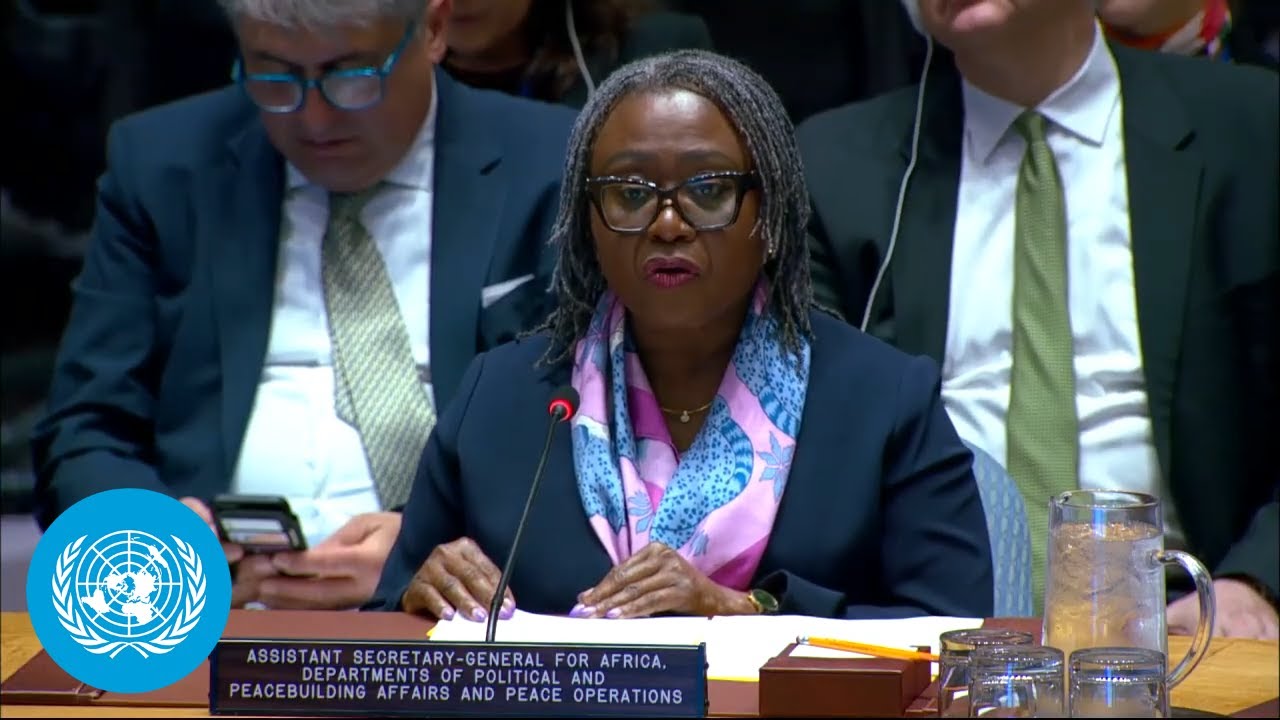
Assistant Secretary-General for Africa Martha Pobee told the Security Council that the political environment in Abyei has remained “constrained by the conflicts in the Sudan and instability in South Sudan,” limiting progress by the two countries “towards resolving their disputes over the management of the Abyei territory and its final status.”
Pobee noted that the security environment “deteriorated over the past six months, mostly due to criminality, weapons proliferation and the presence of unauthorised armed actors, which have combined to create a complex and volatile threat environment.”
The Interim Security Force for Abyei (UNISFA), she said, “recorded 196 security incidents, with 58 fatalities and 69 injuries, marking a significant increase from the previous reporting period.”
Pobee noted that the mission continues to conduct robust patrols and rapid response operations, while also supporting weapons disposal, mine action and humanitarian access, adding that sustained engagement by the Council will remain essential to uphold the demilitarized status of Abyei and advance a durable political solution.
She said, “the immediate withdrawal of all unauthorised forces, including the South Sudan People’s Defence Forces and the Rapid Support Forces from the Abyei area, remains essential.”
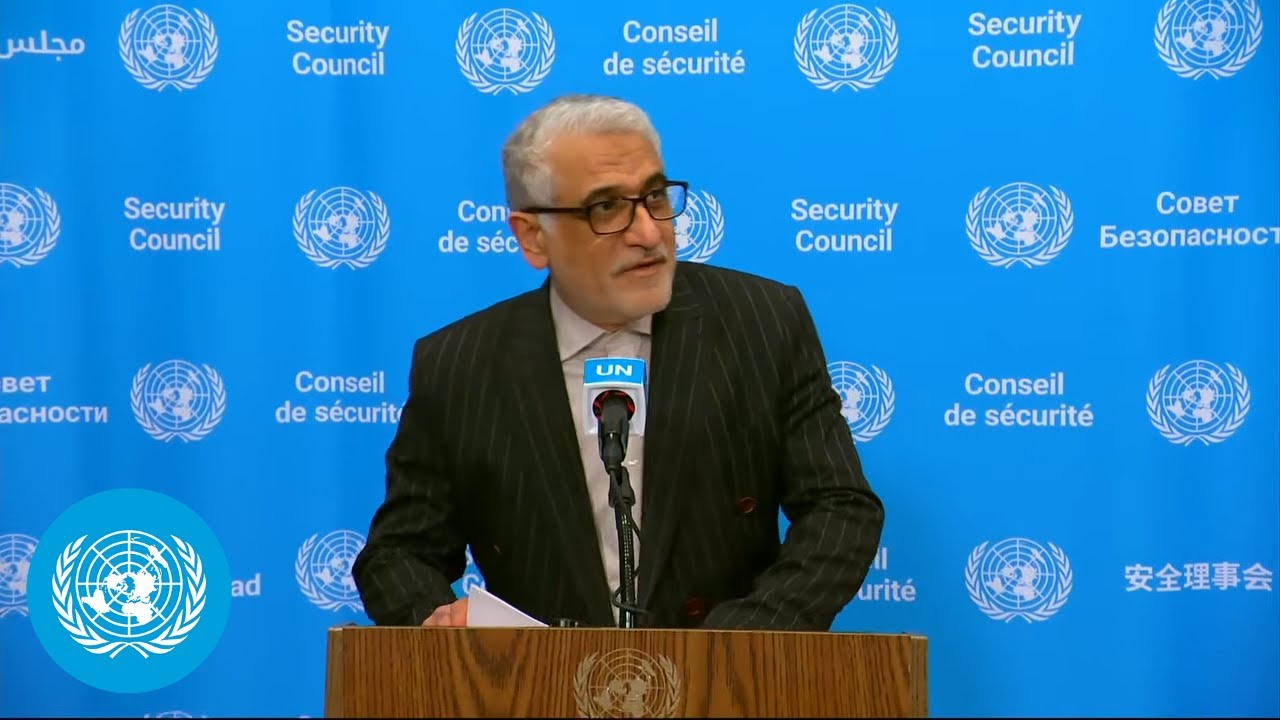
Iranian Ambassador Amir-Saeid Iravani told reporters in New York that “the only viable solution in the Strait of Hormuz is a permanent end to the war, the lifting of maritime blockade, and the restoration of normal passage,” and said a Security Council draft resolution tabled by the United States and Bahrain is “flawed, politically motivated” and drafted “under the pretext of freedom of navigation to advance its political agenda and legitimize unlawful actions, not to resolve the crisis.”
Iravani said, “the draft falsely accused Iran of violating the ceasefire of 8th April, while deliberately concealing material facts. It also attributes serious violations to Iran, including attacks on vessels and placement of sea mines without presenting credible and verified evidence.”
He said the text “ignores the unlawful maritime blockade imposed by the United States, as well as attacks on the seizure of Iranian vessels,” constituting “a material breach of the ceasefire, violation of the prohibition on the sea of force, and serious infringement of freedom of navigation.”
The Iranian Ambassador said, “the claim that the current situation constitutes a threat to international peace and security has no objective or credible basis” and the invocation of chapter seven of the UN Charter “is wholly unjustified, disproportionate and based on politically motivated allegation and it serves further military objectives.”
If adopted, he said, the resolution would “seriously damage the credibility and impartiality of the Security Council, it would politicize the Council’s enforcement power and establish a dangerous precedent for legitimizing unilateral coercive measures and unlawful action by the United States against the sovereignty and sovereign rights of coastal states.”
Iravani stressed that “Iran remains fully prepared to resolve normal maritime traffic and ensure freedom of navigation in the Strait of Hormuz, provided that the war is permanently ended, and the unlawful blockade is lifted.”
The question today before the Council members, he said, was, “why should a member state located thousands of miles away from the Persian Gulf and acting in a destabilizing manner, be permitted to use the Security Council to advance its political agenda in the Persian Gulf? while Iran, as a coastal state of the Strait of Hormuz, is denied its lawful rights to defend its security and sovereignty and is instead threatened with enforcement action on the chapter seven of the Charter.”
Iravani said, “the United States has neither the legal, political, nor moral standing to portray itself as a defender of freedom of navigation or maritime security” adding that it has “continued its internationally wrongful act by imposing a so-called maritime blockade, unlawfully seizing Iranian commercial vessels like pirates, and taking their crews hostage.”
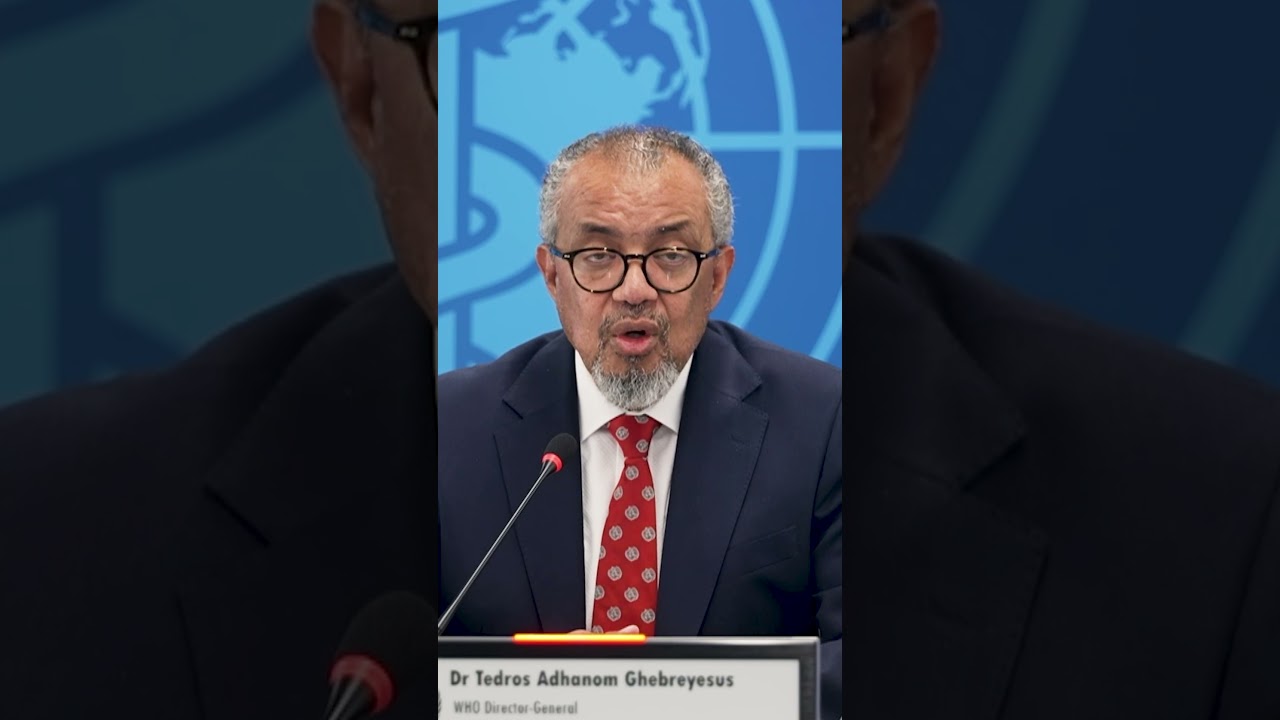
A deadly #hantavirus outbreak aboard a cruise ship in the Atlantic Ocean poses a low global public health risk according to World Health Organization (WHO) Director-General Tedros Adhanom Ghebreyesus.
Eight cases have been reported so far, including five laboratory-confirmed infections and three suspected cases linked to the rare Andes strain of hantavirus.
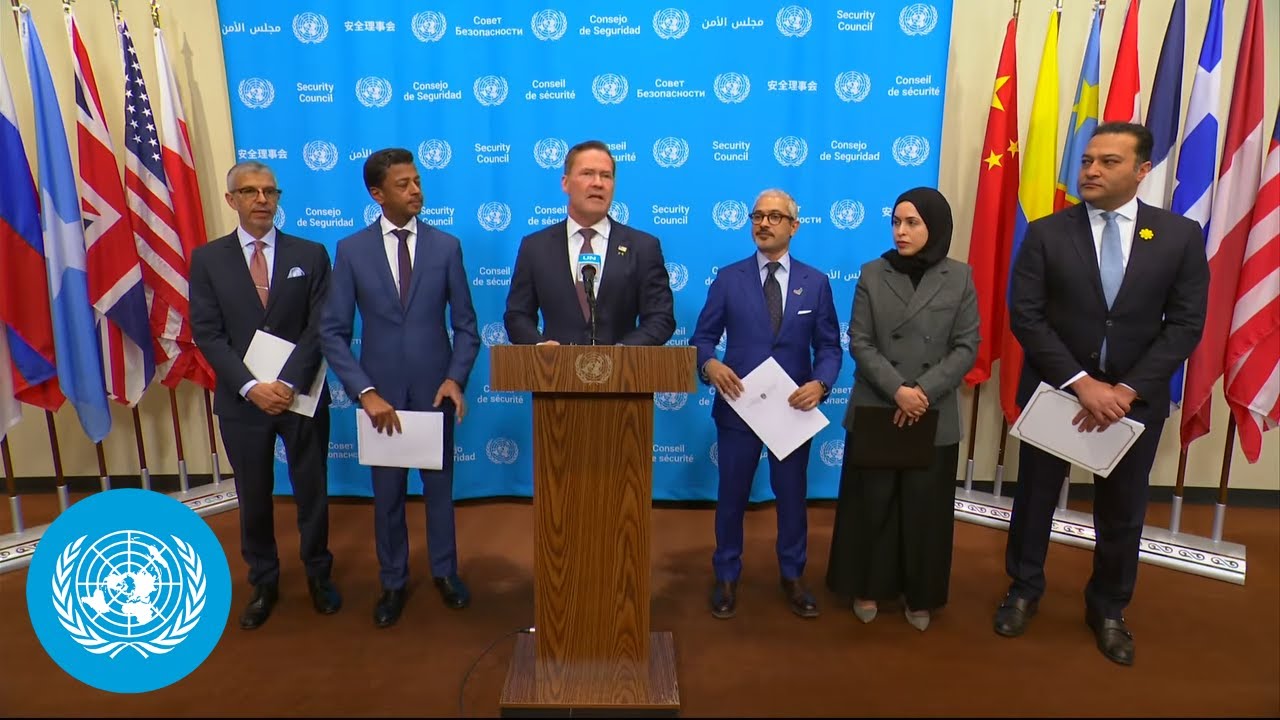
Bahrain together with the United States, with the backing of Kuwait, Qatar, Saudi Arabia and the United Arab Emirates, circulated a draft resolution earlier this week to the Security Council on the situation of Strait of Hormuz. It calls on Iran to cease attacks, mining, and tolling in the Strait as well as to participate in the UN’s efforts to establish a humanitarian corridor.
Speaking to reporters today (7 May) in New York, Bahrain’s Ambassador Jamal Fares Alrowaiei said, “the draft resolution is guided by the clear principal – freedom of navigation in accordance with the international law, as reflected in the United Nations Convention on the Law of the Sea.:”
Ambassador Alrowaiei emphasized that it also supports ongoing efforts to seek durable peace in the region and encourages dialog in the regard. “This initiative reflects our strong commitment to regional security, to multilateral cooperation, and to the peaceful resolution of dispute,” he said.
US Ambassador Mike Waltz pointed out that the draft revolution is “an evolution “of resolution 2817. It “requires Iran to do some very simple, straightforward things, the Ambassador said, “cease its attacks on commercial shipping, cease mining and remove its mines from an international waterway; cease tolling, charging illegal tolls in the Strait of Hormuz, and allow the UN to move forward with humanitarian aid, lifesaving aid, through that international corridor.”
The US Ambassador stated that now it is left for the international community to choose, “are the countries of the Council choosing to stand with a regime that slaughters its own people, that brutalize its neighbors, that strangles the world’s economy? Or are they standing with the shining cities of Manama, Kuwait City, Dubai, Riyadh, Doha with the people that seek a better future for not only their people, but for the region and for the world?”
“I know what decision the United States is making,” Ambassador Waltz reiterated, “we’re choosing to stand with the freedom of navigation. We’re choosing to stand with international law. We’re choosing to stand with our partners as we move forward.”
For his part, Ambassador of the United Arab Emirates Mohamed Abushahab said, “while the draft resolution does not give any authorization or impose sanctions on Iran, by acting under Chapter VII, the Council would make clear that its decisions in this resolution are binding and that the Council is serious about them, and that it may consider further measures if its decisions are not implemented.”
Ambassador of Qatar Alya Ahmed bin Saif Al-Thani said, “we look forward to continuing our engagement intensively with Member States to secure the support for this timely Security Council resolution on guaranteeing the freedom of navigation while protecting maritime waterways.”
The Ambassadors at the press encounters are US Ambassador Mike Waltz, Ambassador Jamal Fares Alrowaiei, Bahrain’s Permanent Representative to the United Nations, Ambassador Mohamed Issa Abushahab, UAE’s Permanent Representative to the United Nations, Ambassador Abdulaziz M. Alwasil, Saudi Arabia’s Permanent Representative to the United Nations, Ambassador Alya Ahmed Saif Al-Thani, Qatar’s Permanent Representative to the United Nations, and Ambassador Tareq M. A. M. Albanai, Kuwait’s Permanent Representative to the United Nations.
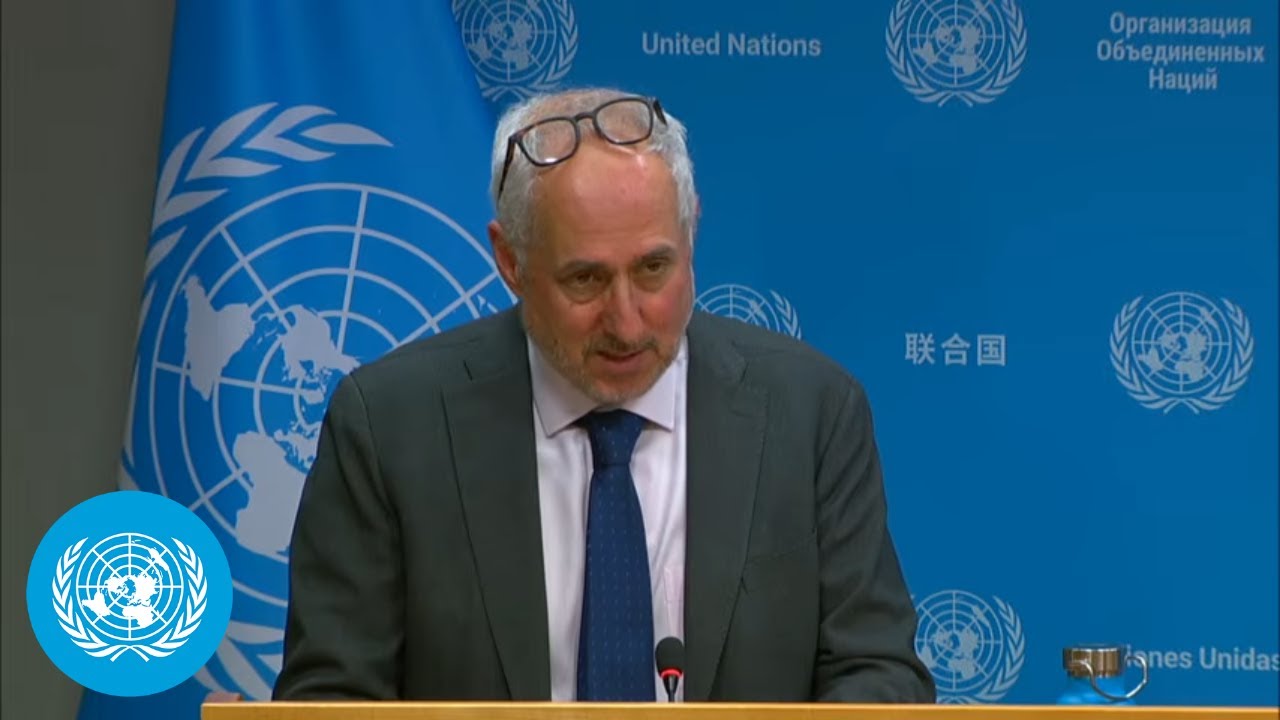
Noon Briefing by Stéphane Dujarric, Spokesperson for the Secretary-General.
Highlights:
– beyond GDP
– Migration Review Forum
– Hantavirus
– Lebanon
– UNIFIL
– Occupied Palestinian Territory
– Western Sahara
– Sudan
– Somalia
– Security Council/UNISFA
– Human Rights
– Happening at the UN
———————————–
BEYOND GDP
This afternoon at 3 pm, the Secretary-General’s High-Level Expert Group on Beyond GDP will present their report to Member States, outlining recommendations for a country-owned and universally applicable set of indicators that go beyond GDP to guide policy and decision-making.
The Secretary-General will make remarks at the event and will say that the report being launched today is a landmark step in correcting a longstanding blind spot in measuring progress: The over-reliance on Gross Domestic Product.
He will say that while GDP will continue to be an important measurement, it will not be the only one. Our world needs a more sophisticated, more diverse, and more humane accounting system.
The report, titled “Counting What Counts: A Compass of Progress for People and Planet,” offers the United Nations’ first global framework for moving beyond GDP, proposing a wider set of measures to guide economic policy toward well-being and environmental sustainability.
MIGRATION REVIEW FORUM
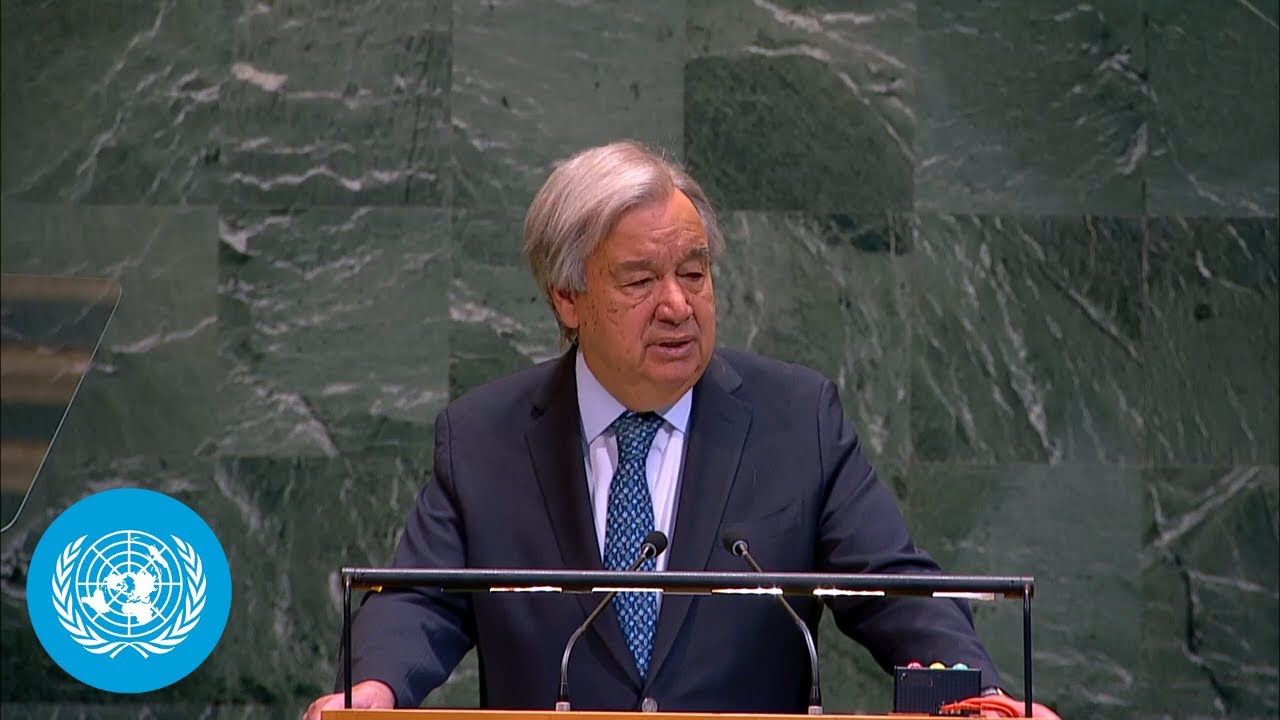
This morning, in the General Assembly, the Secretary-General addressed the International Migration Review Forum.
He reminded Member States that migration is an integral part of the human story, an activity as old as humanity itself, adding that migration is not the crisis. The crisis, he said, is the world’s collective failure to manage it together.
Since the adoption of the Global Compact for Safe, Orderly and Regular Migration, the Secretary-General said Member States have taken concrete steps to expand regular pathways, to strengthen labour mobility initiatives, to improve search‑and‑rescue, enhance data systems, and support for safe return and reintegration.
HANTAVIRUS
I want to give you an update on the situation regarding the hantavirus, and this from our colleagues in Cabo Verde, where Patricia Portela de Souza, who is the Resident UN Coordinator in that country, together with the World Health Organization Representative there, Dr. Ann Lindstrand. They worked closely with national authorities to support the response to cases of hantavirus linked to a commercial vessel in the Atlantic Ocean. The ship, according to our information, is sailing for the Canary Islands.
So far, eight cases have been reported, including three deaths.
In line with the framework of International Health Regulations, the response so far has involved close coordination between national authorities, and bilateral partners — particularly the Netherlands, Spain and the United Kingdom, many of whom are coordinating remotely from outside the country, as well as the vessel’s own operators.
WHO and the UN team have also supported with tracking and investigating cases, guidance to health professionals, infection prevention measures on board the ship, laboratory investigations and the provision of medical supplies for the vessel. A WHO expert boarded the ship in Cabo Verde, and has been joined by two doctors from the Netherlands and an expert from the European Centre for Disease Prevention and Control. They will stay aboard the ship until it reaches its next destination in the Canary Islands.
They are conducting a medical assessment of everyone on board and gathering information to assess the risk of infection.
The World Health Organization has provided guidance to the ship’s operator on the management of health on board the vessel. They are developing step-by-step operational guidance for the safe and respectful disembarkation and onward travel of passengers and crew when they arrive.
More broadly, WHO will continue to work with the countries to ensure that the patients, the contacts, the passengers and crew have the information and support they need to stay safe and prevent the spread of the virus.
LEBANON
Moving to Lebanon. The Office for the Coordination of Humanitarian Affairs says that the humanitarian situation there remains volatile. Wednesday evening’s Israeli strike on Beirut’s southern suburbs caused a new wave of displacements of civilians, who, as you can imagine, had already been impacted by months of conflict. This was the first attack on Lebanon’s capital since the ceasefire announcement of April 17th and its subsequent extension. This is obviously a very alarming development. We are deeply worried also about reports of civilians also being killed in the attack and that also includes children.
Full Highlight: https://www.un.org/sg/en/content/noon-briefing-highlight?date=2026-05-07
How can the United Nations work more clearly, coherently and effectively in a rapidly changing world?
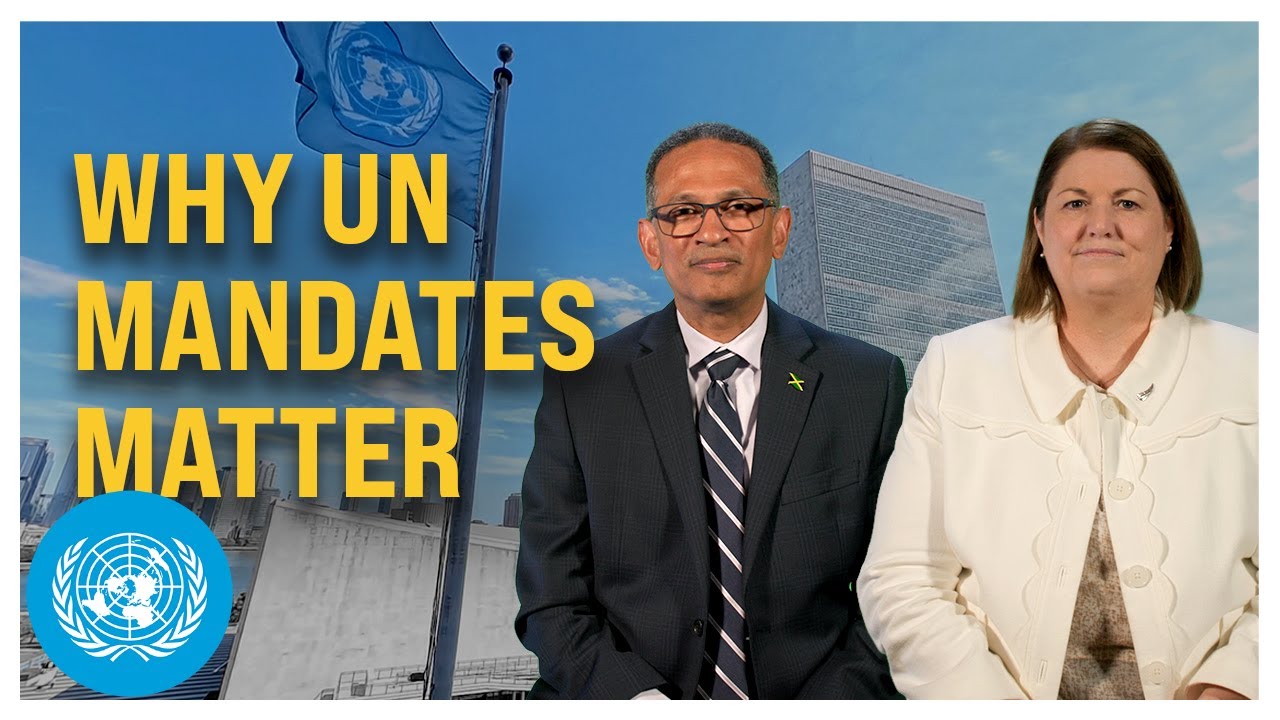
This short explainer video breaks down the practical implications of the General Assembly resolution on Mandate Creation, Implementation and Review for an Efficient and Effective United Nations — a key milestone under Workstream 2 of the UN80 Initiative.
Featuring Ambassadors Brian Wallace of Jamaica and Carolyn Schwalger of New Zealand, Co-Chairs of the General Assembly’s Ad Hoc Working Group on Mandate Implementation Review, the video explains:
▪️ What UN mandates are
▪️ Why mandate reform matters
▪️ What changes in practice
▪️ How the resolution aims to improve clarity, coordination, accountability and delivery across the UN system
▪️ What happens next as implementation moves forward
At its core, the resolution is about helping the United Nations focus better, work better and deliver better for people and planet.
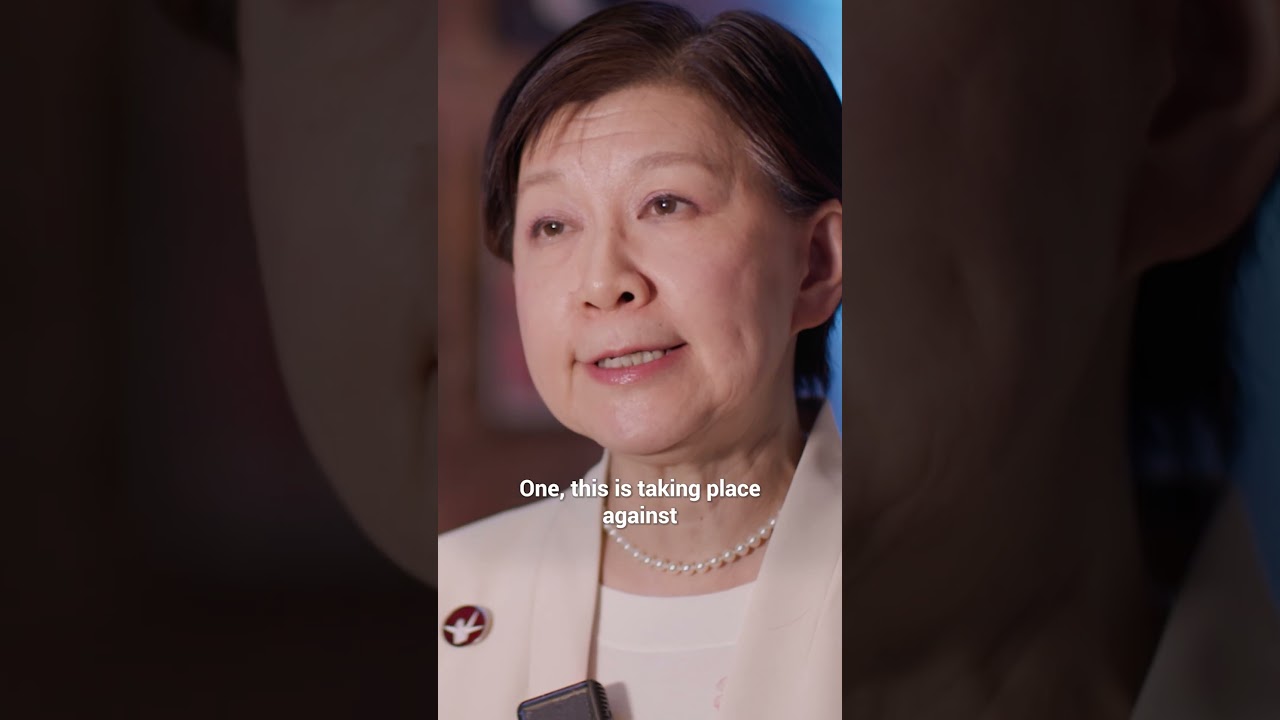
Under-Secretary-General and High Representative for Disarmament Affairs, Ms. Izumi Nakamitsu, explains why the NPT (Non-Proliferation of Nuclear Weapons) Review Conference this year is critical for nuclear disarmament.
Cookies are used on our website to make your use as comfortable as possible. These so-called essential cookies are stored in your browser because they are essential for the basic functions of the website.
We also use third-party cookies for online advertising on our sites. These cookies are only stored in your browser with your consent. By clicking here you agree to the use of these additional cookies or you can reject them:
This website uses cookies to improve your experience while you navigate through the website. Out of these, the cookies that are categorized as necessary are stored on your browser as they are essential for the working of basic functionalities of the website. We also use third-party cookies that help us analyze and understand how you use this website. These cookies will be stored in your browser only with your consent. You also have the option to opt-out of these cookies. But opting out of some of these cookies may affect your browsing experience.
Necessary cookies are absolutely essential for the website to function properly. These cookies ensure basic functionalities and security features of the website, anonymously.
Cookie
Duration
Description
cookielawinfo-checkbox-analytics
11 months
This cookie is set by GDPR Cookie Consent plugin. The cookie is used to store the user consent for the cookies in the category "Analytics".
cookielawinfo-checkbox-functional
11 months
The cookie is set by GDPR cookie consent to record the user consent for the cookies in the category "Functional".
cookielawinfo-checkbox-necessary
11 months
This cookie is set by GDPR Cookie Consent plugin. The cookies is used to store the user consent for the cookies in the category "Necessary".
cookielawinfo-checkbox-others
11 months
This cookie is set by GDPR Cookie Consent plugin. The cookie is used to store the user consent for the cookies in the category "Other.
cookielawinfo-checkbox-performance
11 months
This cookie is set by GDPR Cookie Consent plugin. The cookie is used to store the user consent for the cookies in the category "Performance".
viewed_cookie_policy
11 months
The cookie is set by the GDPR Cookie Consent plugin and is used to store whether or not user has consented to the use of cookies. It does not store any personal data.
Functional cookies help to perform certain functionalities like sharing the content of the website on social media platforms, collect feedbacks, and other third-party features.
Performance cookies are used to understand and analyze the key performance indexes of the website which helps in delivering a better user experience for the visitors.
Analytical cookies are used to understand how visitors interact with the website. These cookies help provide information on metrics the number of visitors, bounce rate, traffic source, etc.
Advertisement cookies are used to provide visitors with relevant ads and marketing campaigns. These cookies track visitors across websites and collect information to provide customized ads.