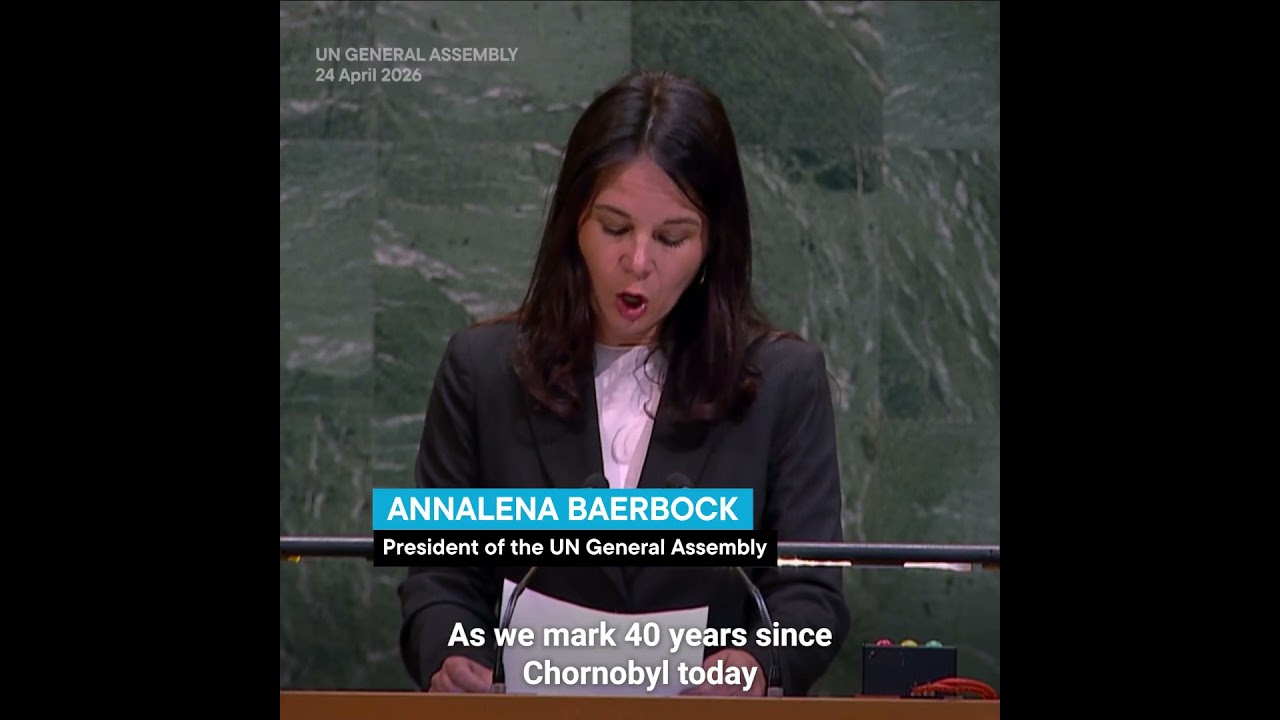
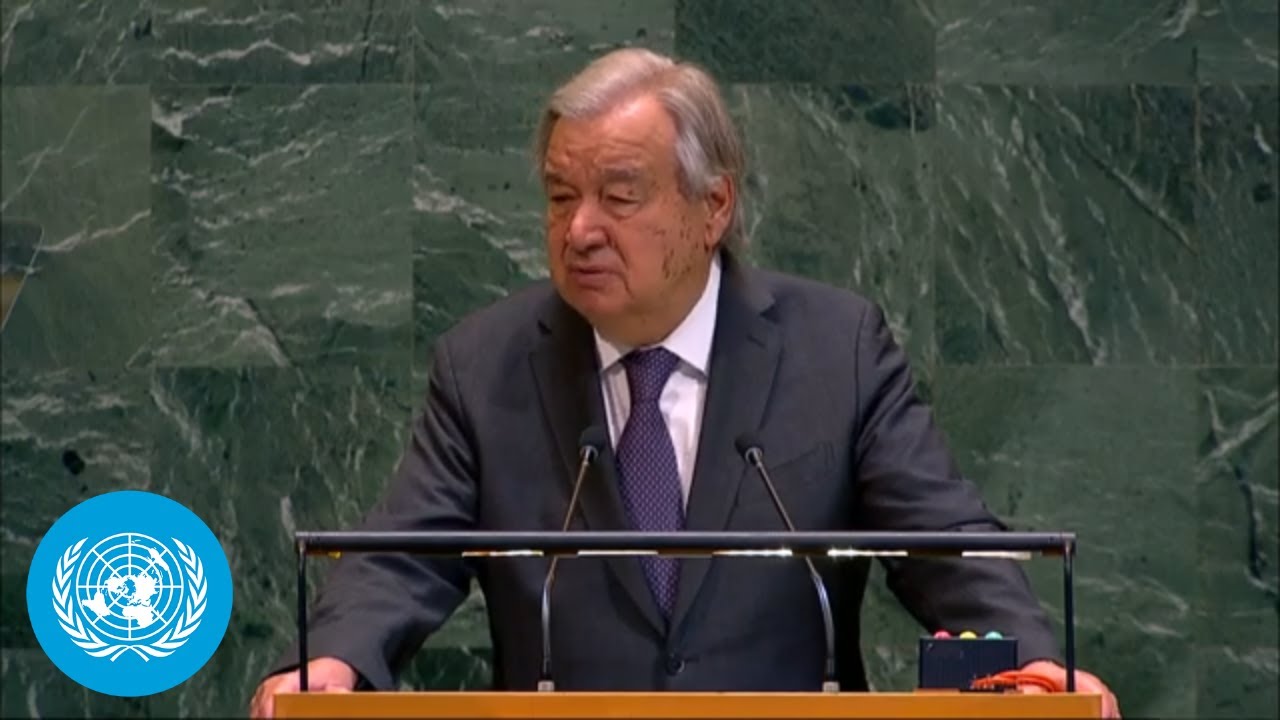
Forty years ago, an explosion at the Chernobyl Nuclear Power Plant spread a radioactive cloud over large parts of the Soviet Union, now the territories of Belarus, Ukraine and the Russian Federation, exposing nearly 8.4 million people there to the radiation. Commemorating the tragic milestone, United Nations General Assembly President Annalena Baerbock calls for measures to prevent future accidents.
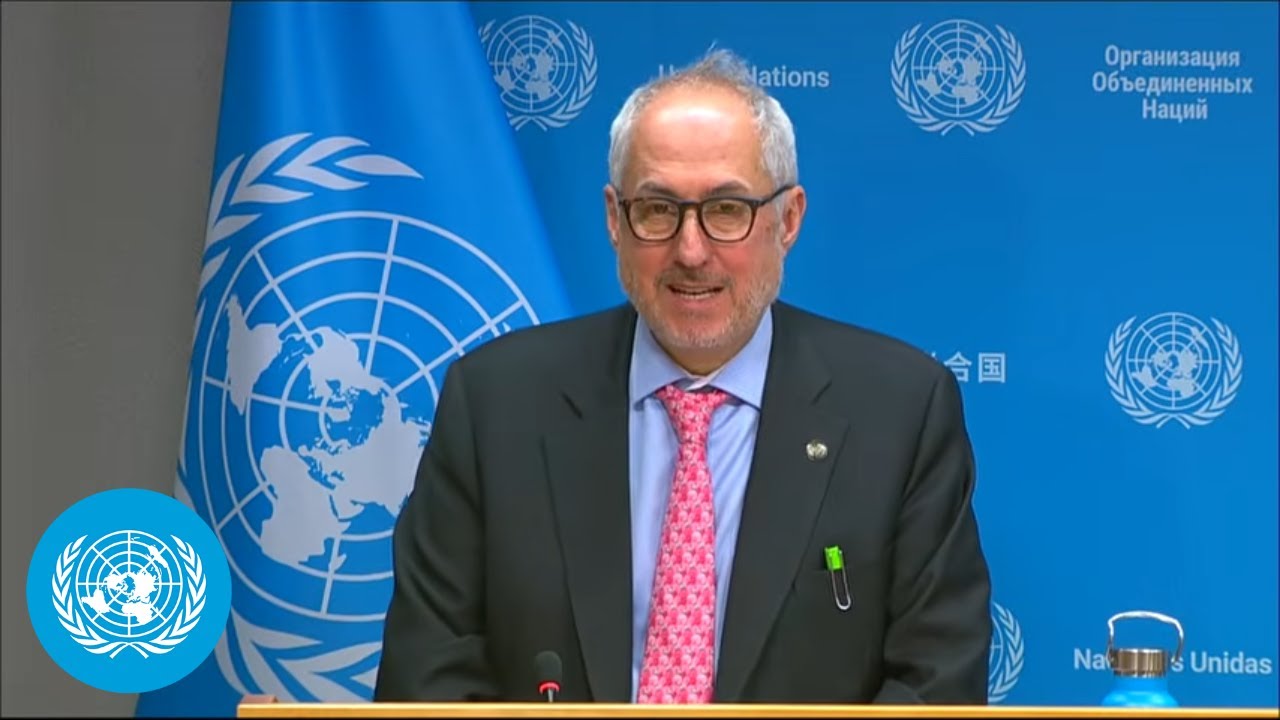
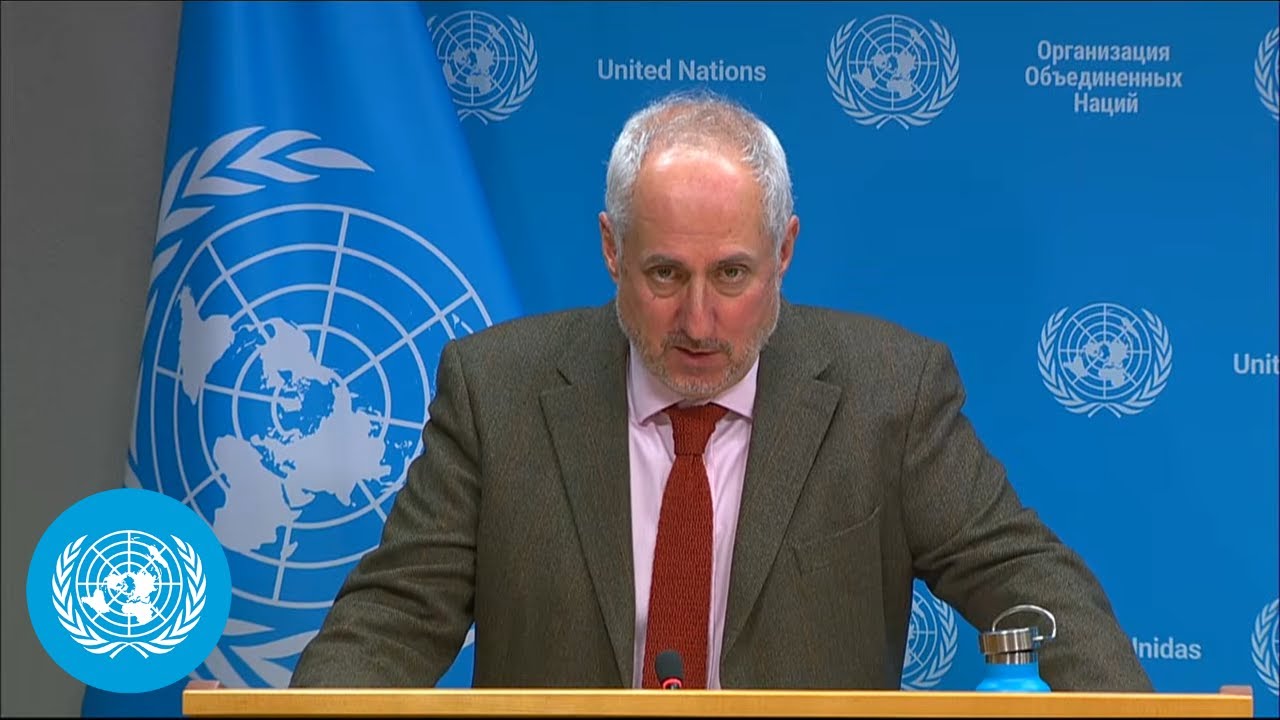
Noon Briefing by Stéphane Dujarric, Spokesperson for the Secretary-General.
Highlights:
– Strait of Hormuz
– Middle East
– Security Council
– Occupied Palestinian Territory
– Lebanon
– Syria
– Somalia
– Somalia/World Food Programme
– Sudan
– Afghanistan/Women and Girls
– Afghanistan
– Senior Personnel Appointment/UNAMA
– Jamaica
– Climate
– South Africa
– Trip Announcement
– South Sudan
– Hepatitis
– International Day
– Financial Contributions
STRAIT OF HORMUZ
The UN Trade and Development, or UNCTAD for short, has come up with an online dashboard to track shipping, food and energy prices, as well as financial markets, related to the Strait of Hormuz restrictions.
For instance, today, the dashboard says that ship transits related to the Strait of Hormuz have decreased by 95.3 percent since 28 February, while commodity food prices have risen by 6 percent and the crude oil price for Europe has risen by 53 percent since then. https://unctad.org/strait-of-hormuz-dashboard.
MIDDLE EAST
The Secretary-General’s Personal Envoy for the Middle East Crisis and its Consequences, Jean Arnault, is consulting with senior UN officials following his visits to Iran, Saudi Arabia, Oman, and Egypt. He also participated in the annual Antalya Diplomatic Forum in Türkiye. The Personal Envoy will continue to engage relevant Member States at Headquarters and in capitals as he works to support efforts aimed at helping the warring parties reach a comprehensive settlement.
During his visits to regional capitals, the Personal Envoy received first-hand briefings and personally witnessed the impact of the five-week armed escalation on civilians and civilian infrastructure across the region, following the United States–Israeli attack on Iran on 28 February 2026 and the subsequent Iranian attacks in the region.
The Personal Envoy remains available to support all efforts to assist the warring parties in moving towards a comprehensive settlement, including the initiative currently being pursued by the Government of Pakistan in cooperation with the Governments of Egypt, Saudi Arabia, and Türkiye.
SECURITY COUNCIL
Khaled Khiari, Assistant Secretary-General for the Middle East, Europe, the Americas, Asia and the Pacific, briefed the Security Council on the Middle East this morning and said that, away from the spotlight, the situation in Gaza and the West Bank, including East Jerusalem, is steadily worsening.
He said that the population in Gaza faces ongoing and deadly Israeli strikes and dire humanitarian conditions, while in the West Bank, violence including rampant settler violence, displacement, and accelerating settlement activity are threatening entire communities and further eroding the prospects for a political process that will resolve the conflict on the basis of a viable two-State solution.
Full Highlights: https://www.un.org/sg/en/content/noon-briefing-highlight?date=2026-04-28
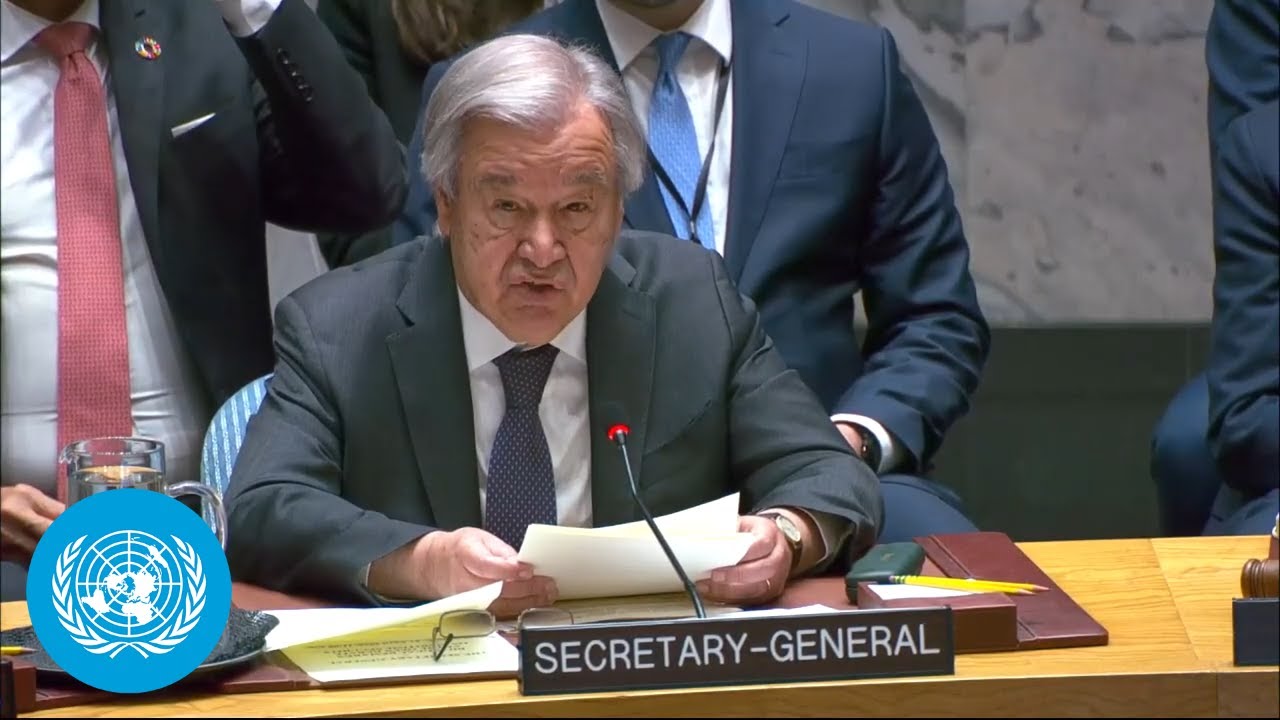
UN Secretary-General António Guterres urged Member States to support the emergency evacuation framework prepared by the International Maritime Organization (IOM) to securely evacuate ships and seafarers from the conflict zone.
Addressing the Security Council about ‘Safety and Protection of Waterways in the Maritime Domain’, Guterres said, “Safe, unimpeded passage is an economic and humanitarian imperative. The economic shock has been immediate – and everyone is paying the price.”
He highlighted, “Behind the cargo figures and the price surges are people. More than 20,000 seafarers remain stranded at sea. Over 2,000 commercial vessels are caught in a web of risks and restrictions to navigation. These men and women are not parties to any conflict. They are civilian workers keeping the world supplied. Their safety, their well-being, and their rights must be protected – at all times, and in all waters.”
He urged Member States to support the emergency evacuation framework prepared by the International Maritime Organization, “A coordinated plan to ensure the safe movement, assistance, and protection of affected crews in full accordance with international law.”
He continued, “The Charter’s prohibition of the threat or use of force applies fully at sea. Navigational rights and freedoms through the Strait of Hormuz must be respected – as affirmed by this Council’s Resolution 2817. These principles must be upheld – in full, and without delay. I appeal to the parties: Open the Strait. Let ships pass. No tolls. No discrimination. Let trade resume. Let the global economy breathe.”
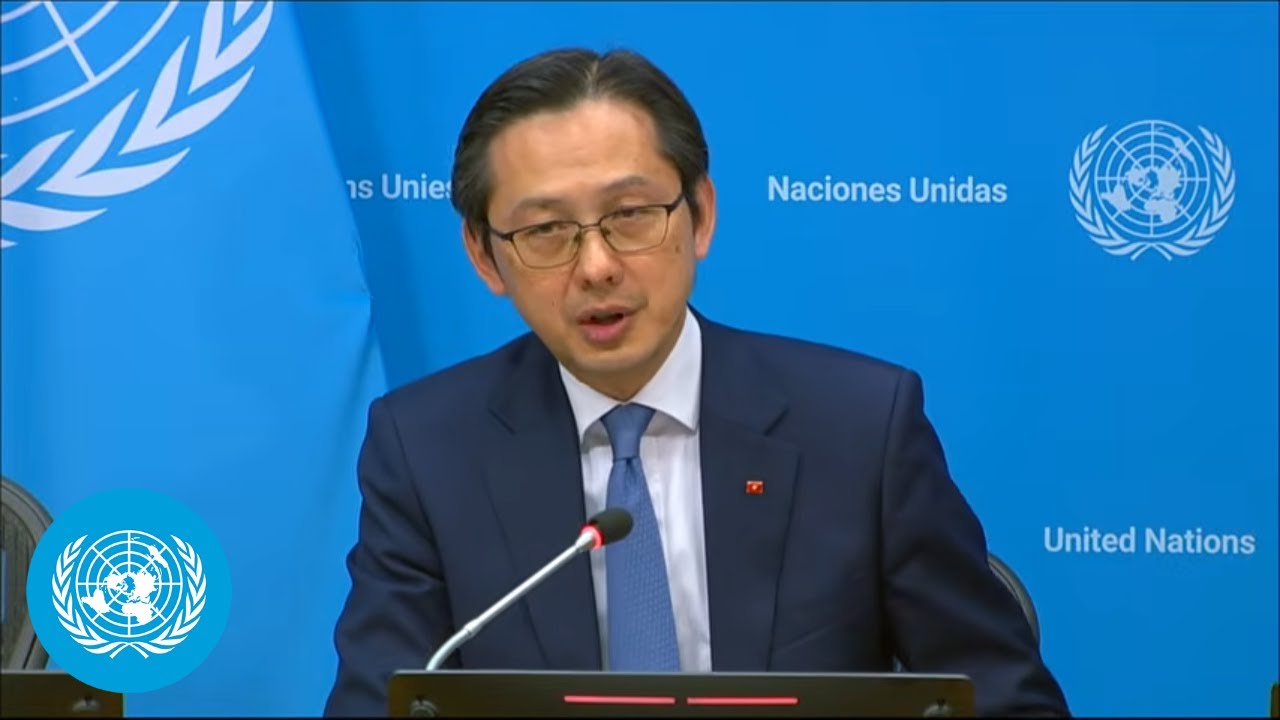
The President of the NPT Review Conference, Viet Nam’s Ambassador Do Hung Viet, told journalists in New York that the danger of a nuclear war is “seen and is felt, I think, much more concretely these days” and said that without an outcome document from the Conference “I would not say it would be a success.”
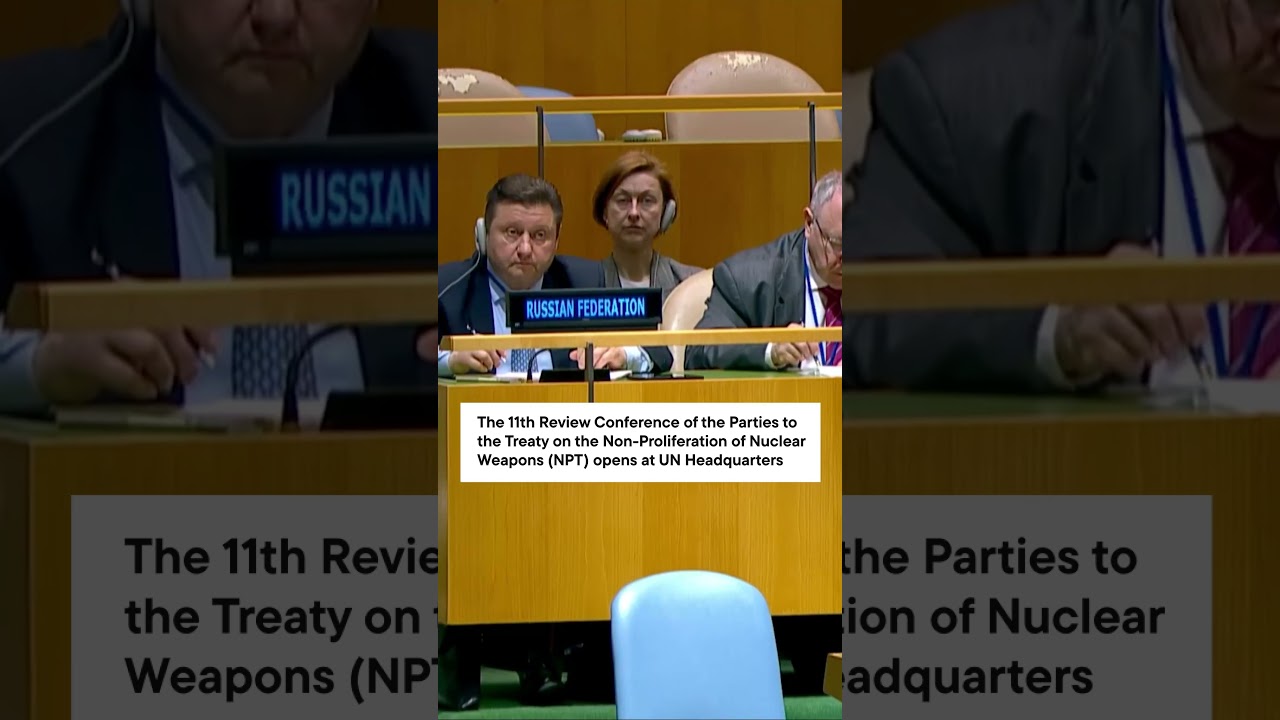
As the 11th Review Conference of the Parties to the Treaty on the Non-Proliferation of Nuclear Weapons (NPT) got underway, Do said it is convening “at a particularly challenging time,” and “the most challenging time for the NPT regime itself.”
Asked about Iran’s election as a conference’s vice-presidency, he said the nomination had been made “a few months ago, but the concern about Iran’s candidacy on emerged about a week ago,” and noted that it is “the right of any state party and the right of any group to nominate their candidates.”
The Ambassador said, “what we have managed to do is to get the agreement of all the states parties that instead of asking for a vote, they would instead disassociate themselves from the decision made at the conference. So, again, this is an issue that only came out about a week ago. So, it is not reflective of the consultations that I have had over the past eight months.”
Asked about Israel status as a non-member of the NPT, he said “there are continuous” calls for Israel, India, and Pakistan “to join the NPT as non-nuclear weapon states.”
Responding to a question on what would constitute a success, Do said, “if the conference is conducted smoothly, in an inclusive manner, where everyone is heard, everyone’s view can be reflected. I think that is also, it can be characterized as a good conference. But again, I would not say it would be a success.”
The Ambassador said, “nuclear rhetoric and arms race, nuclear arms race, is really looming. The threat to use nuclear weapons have been floating up there. The modernization and expansion of nuclear arsenals and the violation of international law, the level of mistrust amongst major powers and regional countries. So, the stakes are very, very high, actually.”
The 11th Review Conference of the Parties to the Treaty on the Non-Proliferation of Nuclear Weapons (NPT) is being held from 27 April to 22 May 2026 at United Nations Headquarters in New York
The NPT, in force since 1970 and extended indefinitely in 1995, is considered the cornerstone of the global nuclear non-proliferation regime.
“Have we forgotten that a nuclear war cannot be won and must not be fought?” United Nations Secretary-General António Guterres said, as the Nuclear Non-Proliferation Treaty review conference opened.
Opening the NPT Review Conference at UN Headquarters in New York today (27 April 2026), Secretary-General António Guterres said, “Global military spending soared to 2.7 trillion dollars last year, thirteen times more than all development aid globally, and equivalent to the entire Gross Domestic Product of Africa. For the first time in decades, the number of nuclear warheads is on the rise. Nuclear testing is back on the table. Some governments are openly mulling the acquisition of these horrific weapons. Have we forgotten that a nuclear war cannot be won and must not be fought? Have we forgotten that nuclear weapons make no one safer? Have we forgotten that the only reason the world did not tumble into the abyss was because leaders stood together and said: enough?”
Guterres added, “As you begin your deliberations today, I urge you to focus on two key points. First, countries must keep their promises under the Treaty. Without caveats. Without conditions. Without delays. Without excuses. It is time to re-commit to disarmament and non-proliferation as the only true path to peace.”
He concluded: “The Treaty is not a relic of a former age, frozen in amber. It must grapple with the nexus between nuclear weapons and new technologies. It must ensure that, until nuclear weapons are eliminated, humanity never cedes control over their use. And it must help expand access to the benefits of nuclear science and technology for sustainable development.”
Vietnam’s Permanent Representative Đỗ Hùng Việt, who presides over the conference, said, “For more than half a century, the NPT has played a vital role in curbing the spread of nuclear weapons, advancing nuclear disarmament and promoting the peaceful uses of nuclear energy. As a crucial part of the NPT regime review conferences have served as our points of reference on both where we stand and where we must go. They have guided our collective path toward the aspiration of a world free of nuclear weapons.”
Việt added, “This is not just another review conference. The success or failure of this conference will have implications way beyond these halls and way beyond these next five years. The prospects of a new nuclear arms race are looming over us, the scale of which we are yet to fathom. The prospects of a world without an effective functioning NPT regime would, in all likelihood, be one where regional rivalries increasingly have nuclear dimensions, where the taboo against nuclear use erodes further, and where collective security is diminished by the potential spread of nuclear weapons.”
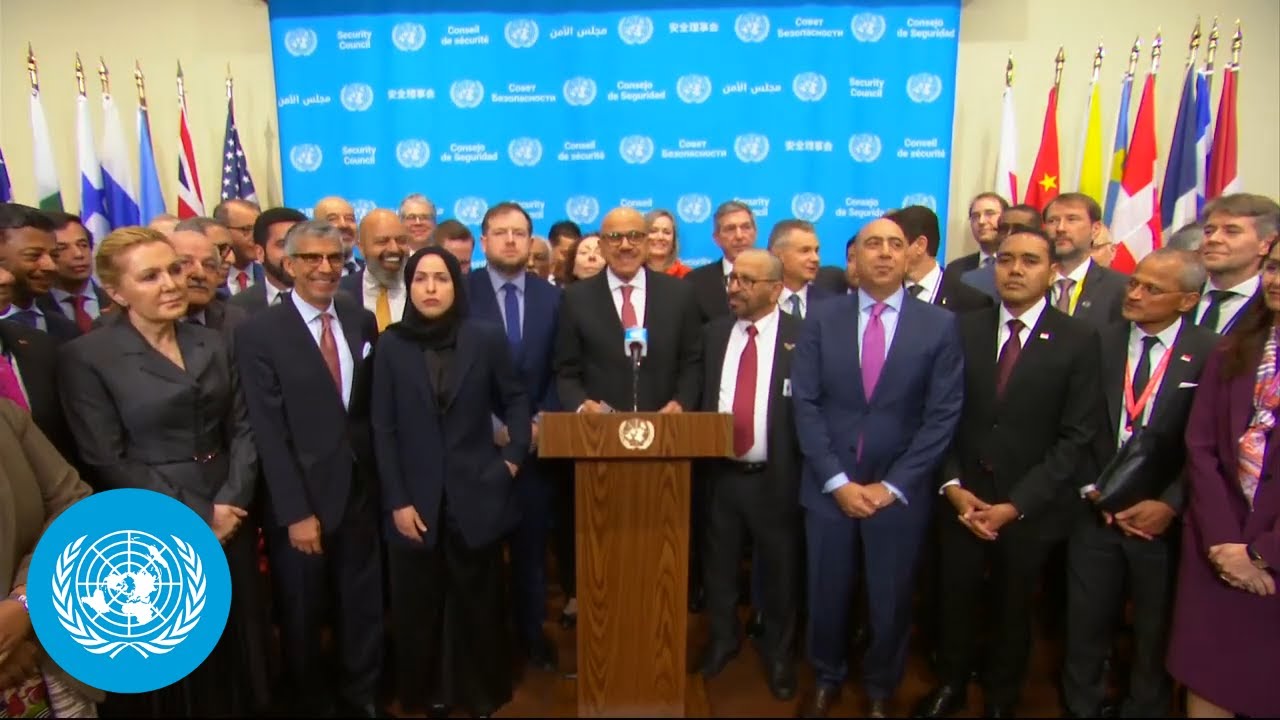
The United States, United Kingdom, France, Germany, UAE, and Australia all objected to Iran serving position as Vice-President of the General Committee, though none called for a vote, citing a desire not to disrupt the conference’s work. Iran retained the position.
The United States representative said, “Indeed, it is an affront to the NPT itself that a country that has so blatantly disregarded its obligations under the treaty should take a place of honor and responsibility as a Vice President on the General Committee that should help coordinate our work over the next four weeks. Our commission is to strengthen the treaty and affirm its commitments. But choosing to open this review conference by conferring leadership on a country that is notoriously violating the very treaty it has pledged to uphold, is an affront to countries that treat the NPT commitments seriously.”
Iran’s representative said, “It is a matter of regret that at the beginning of the conference, we witnessed some political statements. Rather than being ready to engage in a substantive discussion on issues very important to all humanity’s especially nuclear disarmament. My delegation rejects categorically and in the strongest possible term, the statement just delivered by the United States. The allegation put forward are baseless and politically motivated, devoid of any credibility. They constitute a deliberate attempt to mislead this conference and to manipulate its procedure for narrow and self-serving purposes.”
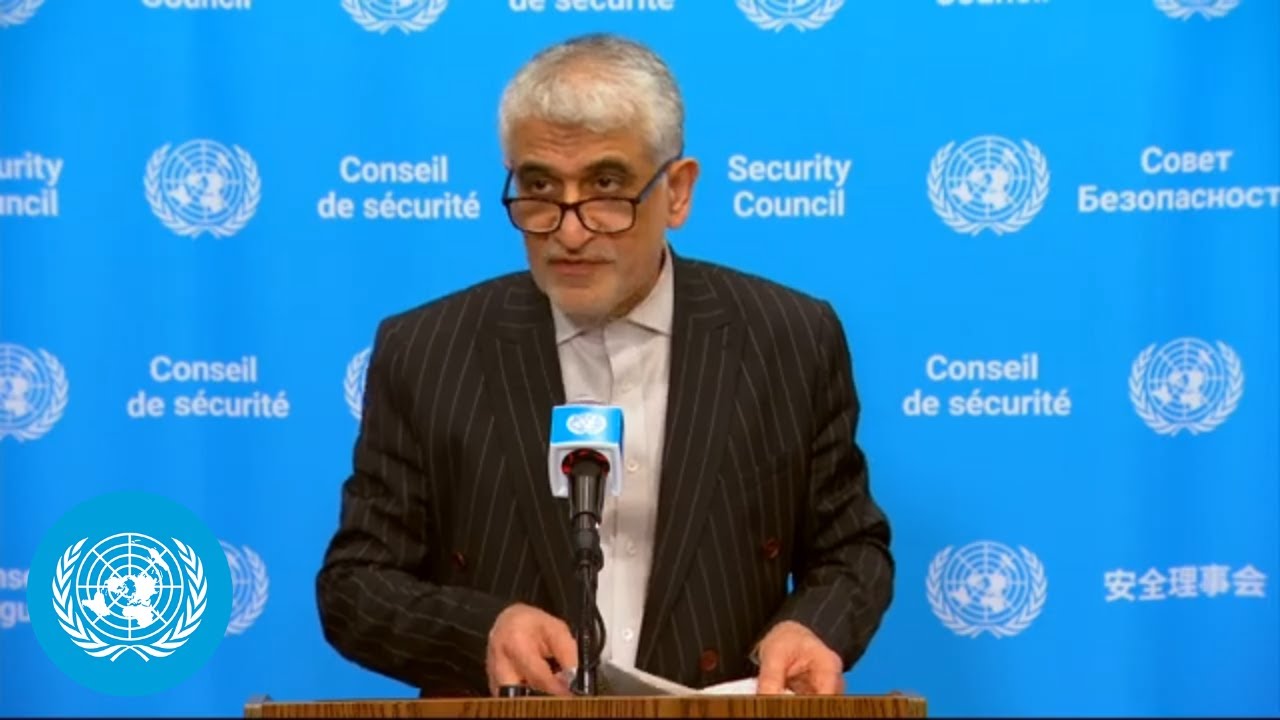
Iranian Ambassador Amir Saeid Iravani said that the “responsibility for any disruption to maritime transport lies with the aggressors: the United States and its supporters. Any claim to the contrary is unfounded.”
Addressing the press after the Security Council meeting on about ‘Safety and Protection of Waterways in the Maritime Domain,’ Amir Saeid Iravani, Permanent Representative of the Islamic Republic of Iran, said “In constraint, Iran’s measures in the state of Hormuz was grounded in Iran’s right and obligation under the law of the sea and its national laws and regulations. Iran’s lawful measures aim to strike an appropriate balance between security interests of the coastal state and the continuous safe conduct of navigation in the Strait of Hormuz in a high volatile environment.”
He added, “These practical measures will be carefully examined in light of evolving circumstances. Iran is not a party to the 1982 UN Convention on the Law of the Sea. Accordingly, it is not bound by its treaty-based provisions, except to the extent that specific rules reflected therein are universally recognized as customary international law.”
Noon Briefing by Stéphane Dujarric, Spokesperson for the Secretary-General.
Highlights:
Non-Proliferation of Nuclear Weapons
Security Council
Lebanon/Israel
Lebanon/Humanitarian
Occupied Palestinian Territory
Syria
Mali
Mali/Humanitarian
Sudan
South Sudan
Chad
Central African Republic
Ukraine
Micronesia
Colombia
Briefings
Financial Contribution
NON-PROLIFERATION OF NUCLEAR WEAPONS
This morning, the Secretary-General addressed the opening of the 11th review conference of the parties to the Treaty on the non-proliferation of nuclear weapons.
He told Member States that for the first time in decades, the number of nuclear warheads is on the rise, and nuclear testing is back on the table. Hard-won norms are eroding and arms control is dying, Mr. Guterres added.
Across the decades, the Secretary-General reminded Member States that they developed a web of instruments to prevent the use, to prevent the proliferation and to prevent the testing of nuclear weapons, and to achieve their total elimination. The Treaty on the Non-Proliferation of Nuclear Weapons is the bedrock of these efforts.
The Secretary-General called on countries to keep their promises under the Treaty. He also called on them to use the discussions starting to lay the groundwork for the Treaty to evolve, so that it is able to ensure that until nuclear weapons are eliminated, humanity never cedes control over their use; and that nuclear science and technology can be used to benefit sustainable development.
SECURITY COUNCIL
The Secretary-General, as well as Arsenio Dominguez, the head of the International Maritime Organization (IMO), briefed the Security Council this morning on maritime security, with the Secretary-General warning that merchant shipping is being used as a tool of pressure and navigational rights and freedoms – bedrock principles of the Law of the Sea – are being undermined. He said that the Strait of Hormuz is one of the world’s most critical maritime chokepoints and its blockage has resulted in the worst supply chain disruption since the COVID-19 pandemic and the war in Ukraine. Prolonged disruption risks triggering a global food emergency – pushing millions, especially in Africa and South Asia, into hunger and poverty, Mr. Guterres warned.
The Secretary-General said that the UN Charter’s prohibition of the threat or use of force applies fully at sea. Navigational rights and freedoms of navigation through the Strait of Hormuz must be respected, as affirmed by the Council’s 2817 Resolution.
Mr. Guterres appealed to the parties to open the Strait, to let ships pass with no tolls and no discrimination, let trade resume and let the global economy breathe, he said.
Arsenio Dominguez, the IMO Secretary-General, said that his agency’s main concern remains the safety and the well-being of the roughly 20,000 innocent seafarers who are trapped in the Gulf due to this conflict.
Following the IMO Council decision, he has begun the development of an evacuation framework, using existing traffic separation scheme, to securely evacuate ships and seafarers from the conflict zone, provided it is safe to do so.
Full Highlights: https://www.un.org/sg/en/content/noon-briefing-highlight?date=2026-04-27
Opening the 11th NPT Review Conference, UN Secretary-General António Guterres warned of rising nuclear risks, including renewed interest in nuclear testing. He urged States to honour their commitments and recommit to disarmament and non-proliferation.
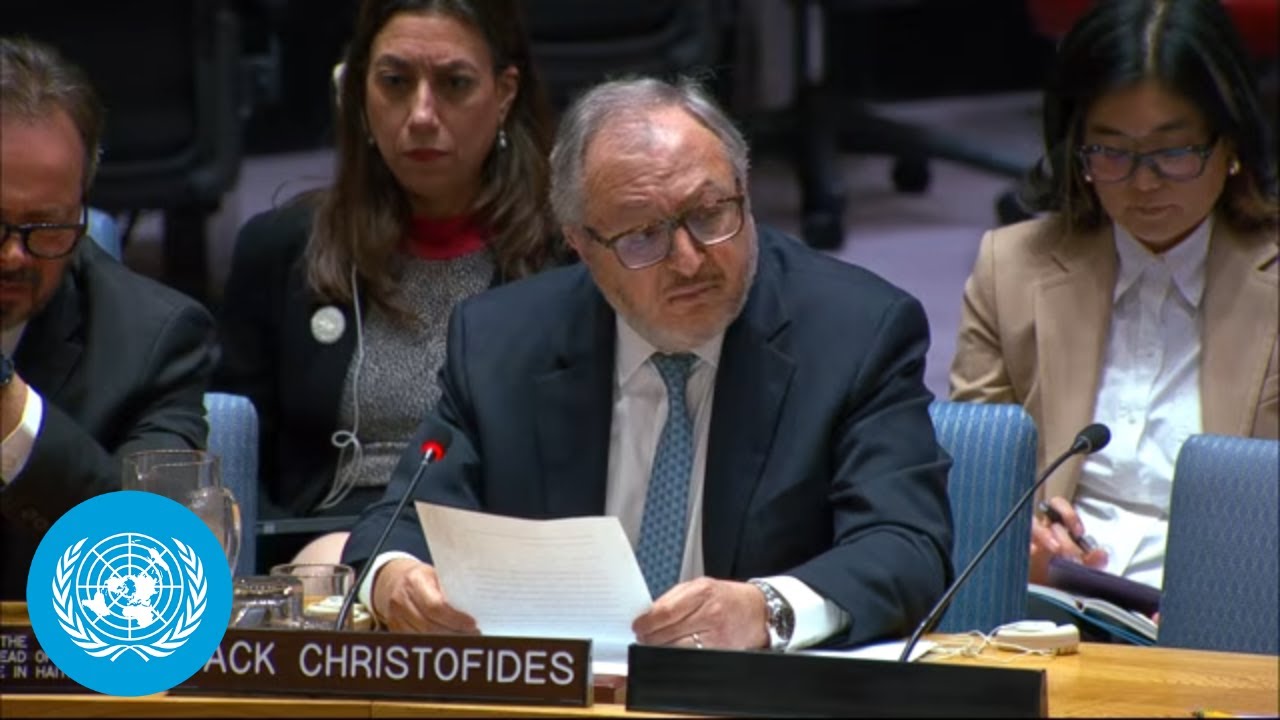
Briefing by Jack Christofides, Special Representative for the Gang Suppression Force (GSF), on the question concerning Haiti.
Christofides said, “We are at a critical early phase of establishing the GSF. We remain acutely aware of the suffering endured by the Haitian people, particularly those living under gang control. There is an urgent need for concrete action to restore security and hope. We are not starting from zero. But we are starting differently.”
On operational planning, Christofides added, “The mission is taking shape in a structured and deliberate manner. A deployment plan has been developed in consultation with the Haitian authorities, focused on priority areas and leveraging the specialized capabilities of contributing forces. The objective is clear: to degrade the operational capacity of gangs to a level that Haitian institutions can sustainably manage, thereby creating the time and space necessary for the State to reassert its authority.”
He said, “In parallel, we are advancing civilian deployment and establishing the core structures necessary to support intelligence-led mission planning, coordination, and oversight. The Concept of Operations has been finalized, providing a clear framework for how the mission will operate in practice, including integration with Haitian counterparts.”
Christofides added, “Force generation is progressing, with impressive pledges from Member States. An initial deployment package has been approved in line with the authorized ceiling, and deployments will take place in phases over the coming months.”
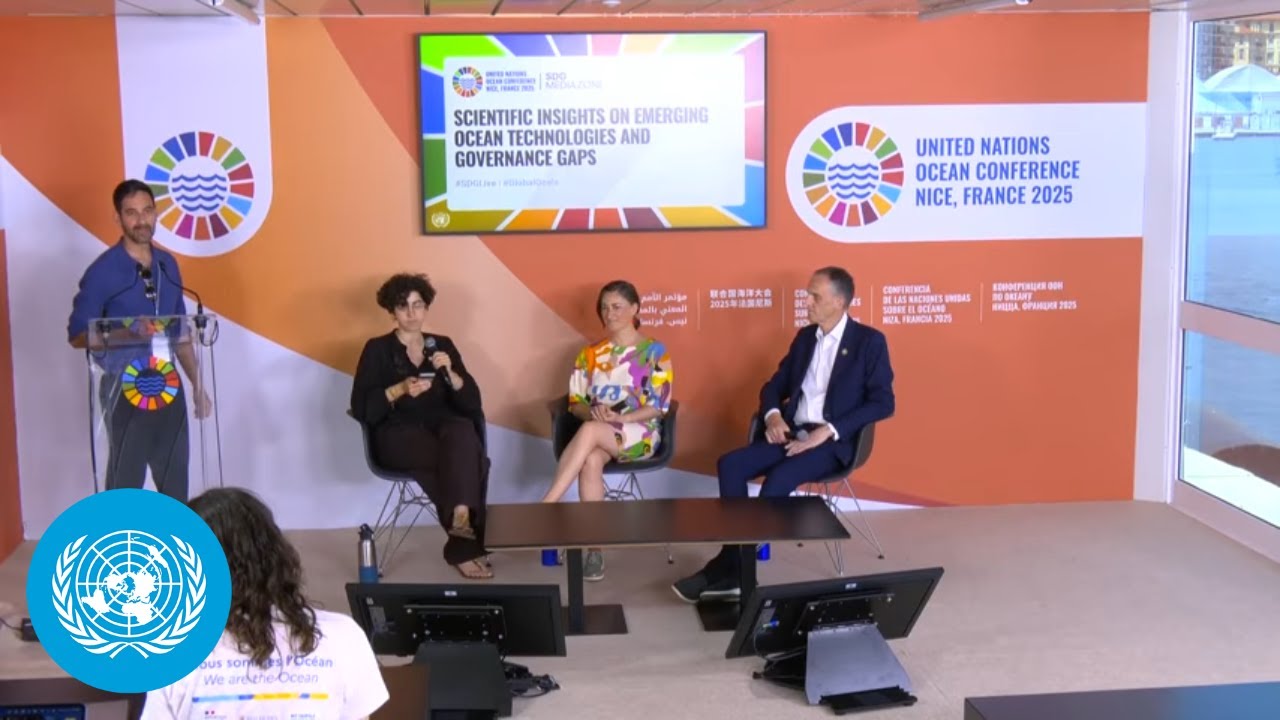
As interest grows in emerging ocean-based technologies—such as deep-sea mining and marine geoengineering—scientists are examining their potential impacts on marine ecosystems and the adequacy of current governance frameworks. This session will explore the state of scientific knowledge around these activities, including areas of uncertainty and concern, and discuss how science can help inform precautionary approaches and strengthen international cooperation. It will also highlight the importance of inclusive, co-produced knowledge and the need for integrated, ecosystem-based governance to guide decision-making.
Speakers:
– Dr. Peter Haugan, Co-Chair, International Science Council’s Expert Group on Ocean; Policy Director, Institute of Marine Research; and Professor, Geophysical Institute, University of Bergen
– Dr. Ellycia Harrould-Kolieb, Lecturer in Ecosystem Governance & Policy, School of Agriculture, Food and Ecosystem Sciences, The University of Melbourne
Moderator:
– Léa Nacache, Communications Officer, International Science Council
Join us during the UN Ocean Conference from June 9-13 and hear about the transformation and solutions needed to accelerate action on the SDGs.
The Conference aims to drive urgent action to conserve and sustainably use the oceans, seas and marine resources for sustainable development. Ocean science, pollution, fishing, maritime transport, biodiversity, financing and cooperation are among the issues to be tackled.
Organized by the UN Department of Global Communications, the SDG Media Zone takes the conversation out of the policy sphere and into the public discourse through impactful in-depth interviews and conversations on global issues that matter to people everywhere.
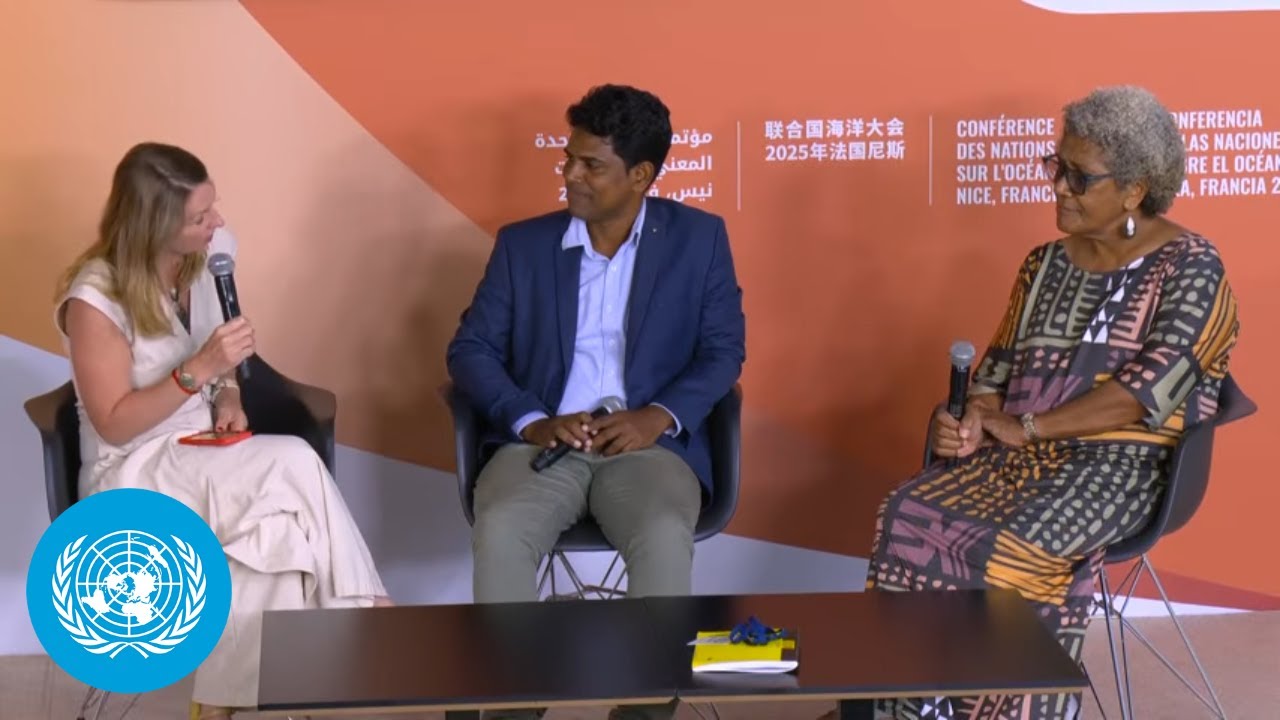
This session will share preliminary findings from the World Bank’s Indigenous-led regional profiles on Indigenous Peoples in coastal and marine environments. Despite 27 million Indigenous Peoples across 87 countries depending on these ecosystems, they remain underrepresented in the global blue economy and marine policy. The session will highlight key challenges, priorities, and best practices to strengthen their direct participation, followed by a panel discussion on advancing inclusion through informed policy and partnerships.
Speakers:
– Johnson Jament, Founding Director of BlueGreen Coastal Resources, India, and Member of the Asian Indigenous Peoples Pact Foundation
– Milika Sobey, Member, Women in Fisheries Network of Fiji
Moderator:
-Dianna Pizarro, Global Coordinator for Indigenous Peoples, World Bank
Join us during the UN Ocean Conference from June 9-13 and hear about the transformation and solutions needed to accelerate action on the SDGs.
The Conference aims to drive urgent action to conserve and sustainably use the oceans, seas and marine resources for sustainable development. Ocean science, pollution, fishing, maritime transport, biodiversity, financing and cooperation are among the issues to be tackled.
Organized by the UN Department of Global Communications, the SDG Media Zone takes the conversation out of the policy sphere and into the public discourse through impactful in-depth interviews and conversations on global issues that matter to people everywhere.
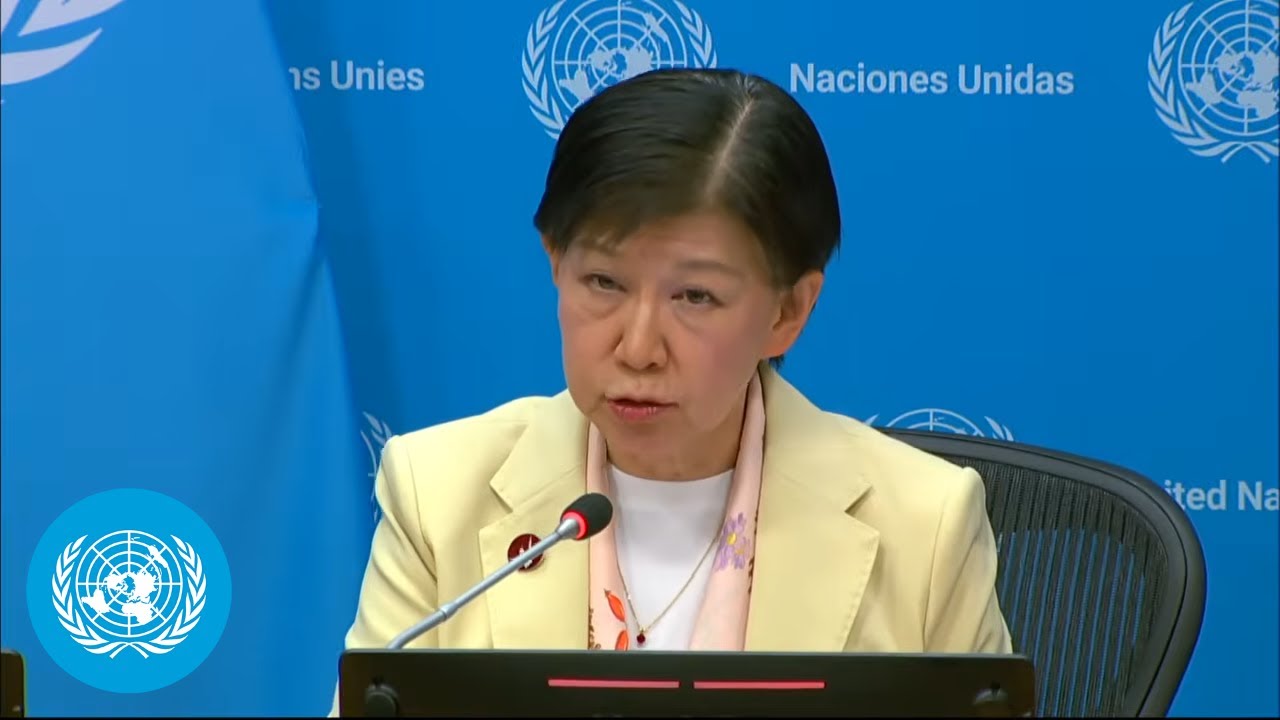
Under-Secretary-General and High Representative for Disarmament Affairs Izumi Nakamitsu told reporters in New York that because of today’s “extremely challenging international peace and security environment,” this year’s Review Conference of the Parties to the Treaty on the Non-Proliferation of Nuclear Weapons (NPT) is “more important than ever.”
Nakamitsu called upon all state parties “to take their collective responsibility very seriously and call on them to engage in good faith and also flexibility.”
She said, “I am not sure if there is a high ambition as such, that, you know, extremely ambitious, detailed disarmament, commitments will be forthcoming in the NPT. But I think that shared sentiment of crisis that, my God, we need to protect this regime. Otherwise, the world will suffer from even further instability and insecurity. That shared sentiment, I think, will help states parties to engage with each other.
Taking questions from reporters, the disarmament chief said, “Israel has never admitted formally or denied. but, generally speaking, it is recognised as possessing, nuclear weapons, nuclear weapons, as, non-party. They’re not a party to the NPT.”
She said four states have been called upon “to accede to NPT as non-nuclear weapon states. Those four states are Israel, India, Pakistan, and South Sudan.”
When it comes to nuclear weapons, Nakamitsu said, “we are in a very, unfortunate situation where the gains of past, I mean, gains that we have made towards the end of the Cold War, by the INF treaty – which also does not exist anymore – and during the post-Cold War era disarmament gains, now really, one by one, gone. And we are beginning to see a reversal, in that trajectory.”
The 11th NPT Review Conference is set to take place from 27 April to 22 May 2026 at United Nations Headquarters in New York. This conference will bring together representatives from 191 states-parties to assess the implementation of the NPT and seek agreement on a final document that outlines action steps to advance its core principles and objectives.
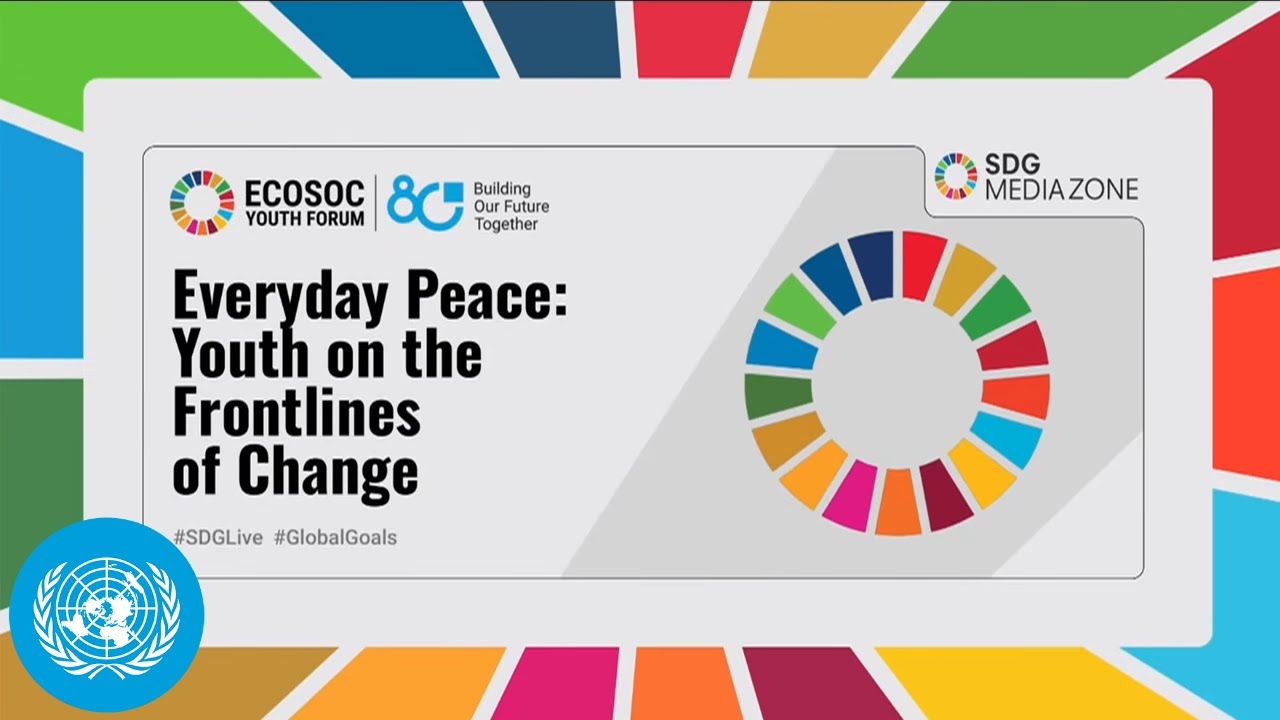
As the architects of everyday peace, young people are driving change and expanding opportunities in their communities and beyond. In a dynamic conversation, on Everyday Peace: Youth on the Frontlines of Change, youth leaders, grassroots activists, and experts will dive into the impact of youth agency.
The conversation will showcase how young people are co-creating stability locally and globally, while also previewing how this evidence will feed directly into the UN Secretary-General’s forthcoming independent study on youth’s positive contributions to peace which aims to politically advance the youth, peace and security agenda.
Moderator
Ishaan Shah, Lead Next Generation Fellow, UN Foundation
Speakers
Kenan Fehrić, Member, UN Youth Advisory Board in Bosnia and Herzegovina
Rahaf Abu Mayyaleh, Generation17 Young Leader, UN Development Programme
Cookies are used on our website to make your use as comfortable as possible. These so-called essential cookies are stored in your browser because they are essential for the basic functions of the website.
We also use third-party cookies for online advertising on our sites. These cookies are only stored in your browser with your consent. By clicking here you agree to the use of these additional cookies or you can reject them:
This website uses cookies to improve your experience while you navigate through the website. Out of these, the cookies that are categorized as necessary are stored on your browser as they are essential for the working of basic functionalities of the website. We also use third-party cookies that help us analyze and understand how you use this website. These cookies will be stored in your browser only with your consent. You also have the option to opt-out of these cookies. But opting out of some of these cookies may affect your browsing experience.
Necessary cookies are absolutely essential for the website to function properly. These cookies ensure basic functionalities and security features of the website, anonymously.
Cookie
Duration
Description
cookielawinfo-checkbox-analytics
11 months
This cookie is set by GDPR Cookie Consent plugin. The cookie is used to store the user consent for the cookies in the category "Analytics".
cookielawinfo-checkbox-functional
11 months
The cookie is set by GDPR cookie consent to record the user consent for the cookies in the category "Functional".
cookielawinfo-checkbox-necessary
11 months
This cookie is set by GDPR Cookie Consent plugin. The cookies is used to store the user consent for the cookies in the category "Necessary".
cookielawinfo-checkbox-others
11 months
This cookie is set by GDPR Cookie Consent plugin. The cookie is used to store the user consent for the cookies in the category "Other.
cookielawinfo-checkbox-performance
11 months
This cookie is set by GDPR Cookie Consent plugin. The cookie is used to store the user consent for the cookies in the category "Performance".
viewed_cookie_policy
11 months
The cookie is set by the GDPR Cookie Consent plugin and is used to store whether or not user has consented to the use of cookies. It does not store any personal data.
Functional cookies help to perform certain functionalities like sharing the content of the website on social media platforms, collect feedbacks, and other third-party features.
Performance cookies are used to understand and analyze the key performance indexes of the website which helps in delivering a better user experience for the visitors.
Analytical cookies are used to understand how visitors interact with the website. These cookies help provide information on metrics the number of visitors, bounce rate, traffic source, etc.
Advertisement cookies are used to provide visitors with relevant ads and marketing campaigns. These cookies track visitors across websites and collect information to provide customized ads.