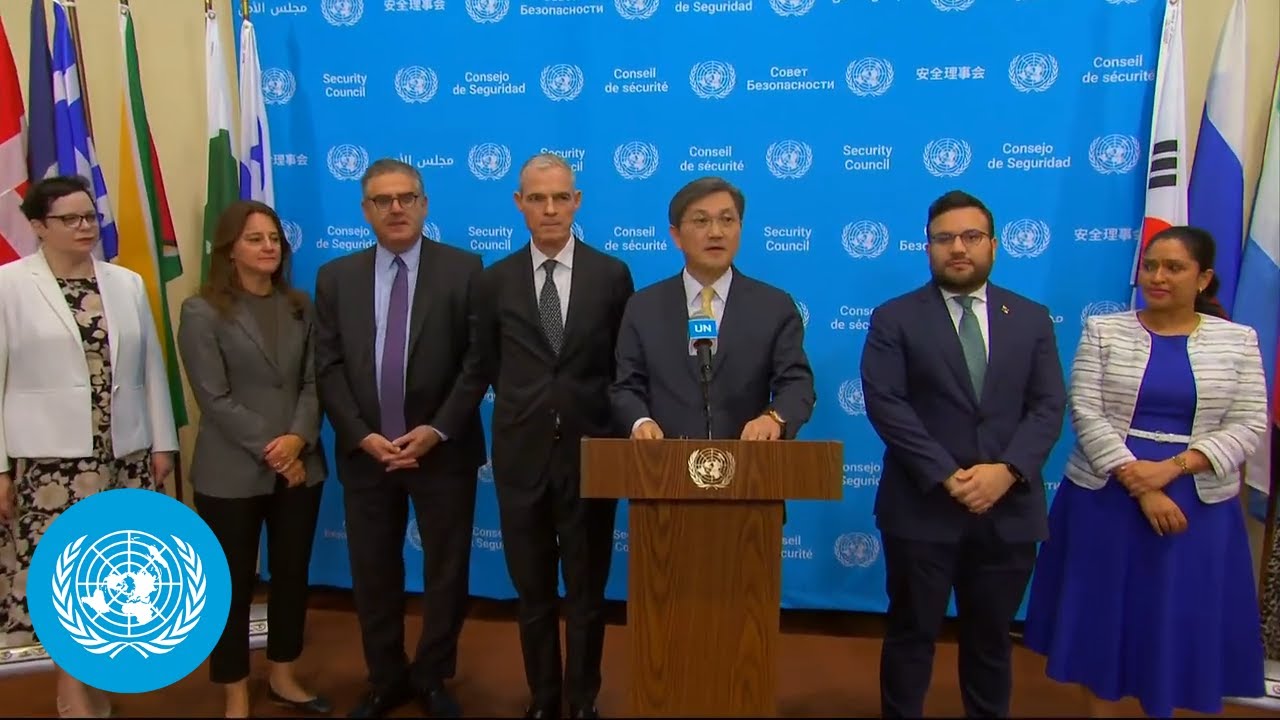
Joint Media Stakeout by UN Security Council Signatories of the Shared Commitments on Women, Peace and Security (WPS), delivered by Sangjin Kim, Charge d’affaires, Permanent Mission of the Republic of Korea to the UN.
According to a new report, the world is retreating from gender equality — and the cost is counted in lives, rights, and opportunities.
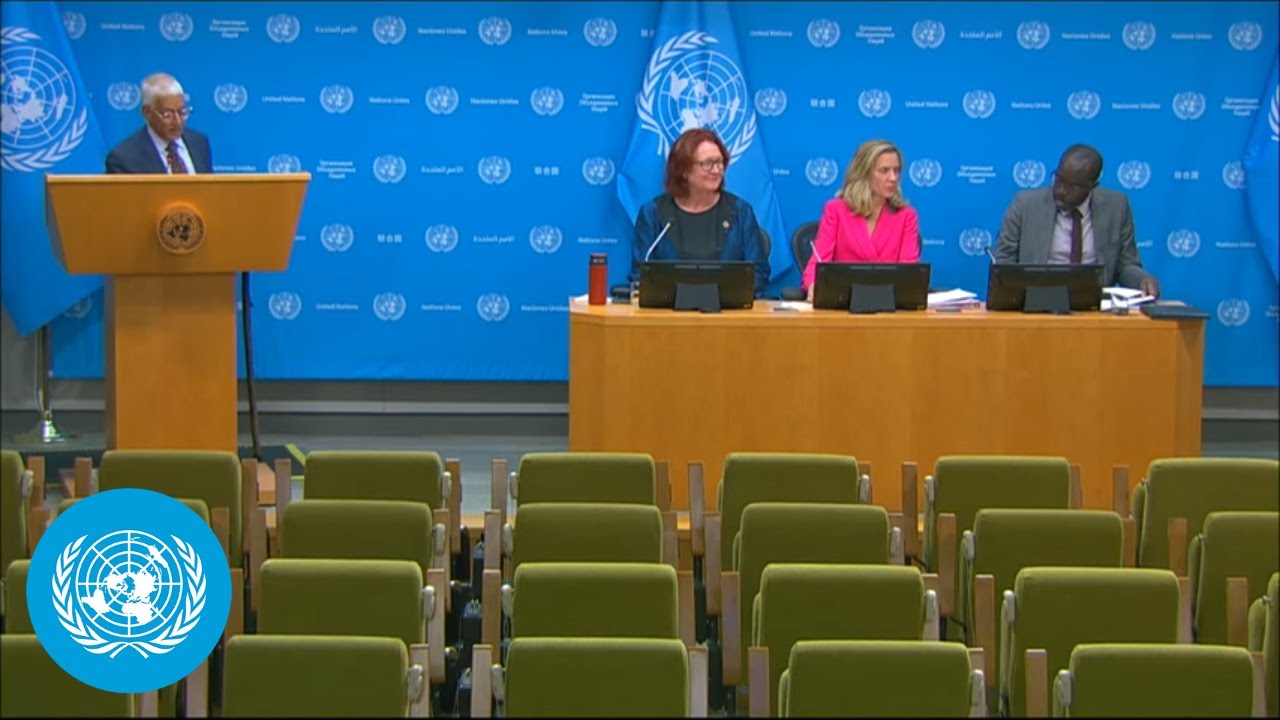
Today (15 Sep), at the launch of the 2025 SDG Gender Snapshot report, UN Women and the UN Economic Development in the Department of Economic and Social Affairs (DESA) said that 5 years from the Sustainable Development Goals (SDGs) deadline, none of the gender equality targets are on track, but this does not have to be a reality for women and girls of today or tomorrow.
Bjørg Sandkjær, UN-DESA Assistant Secretary-General, said, “Profound gaps persist. At current trends, more than 350 million women and girls could still be living in extreme poverty by the year 2030. Last year, in 2024, nearly 64 million more women than men experienced food insecurity. Again, talking about leadership, women hold only 27 per cent of parliamentary seats globally, while more than 100 countries have never had a woman Head of State or Government.”
She stressed, “Under a worst-case scenario, climate change could push up to 158.3 million more women and girls into extreme poverty by 2050.”
She also warned that “Without accurate, timely gender data, we cannot measure progress or design effective interventions and we are receiving reports that close to 70 percent of national statistical offices reported reduced funding since the start of this year.”
She concluded, “We need renewed political will and reinvigorated international cooperation to accelerate progress toward gender equality. This is not only just—it is also sound economics and smart policy.”
The report shows that the world is at a crossroads.
Some key data from the report: The world is retreating from gender equality — and the cost is counted in lives, rights, and opportunities.
Sarah Hendriks, director of UN Women’s Policy Division, said, “In essence, this year’s Gender Snapshot sounds a very clear and urgent alarm: Not a single one of the SDG 5 indicators have been met, and none are actually on track, not one. And the truth is quite stark, and what we see from this data is that the world is actually backsliding when it comes to gender equality. It is taking quite significant steps back, and the cost is measured in lives, but also in rights and lost opportunities.”
She highlighted, “The outcomes of this are not inevitable. They are actually the result of deliberate choices. They are, in fact, the result of disinvestment, the result of institutional erosion and the result of systems that prioritize war over rights, war over equality. We live now in a world that spends $2.7 trillion a year on weapons and yet fall short on the $420 billion price tag to advance and achieve gender equality and women’s rights.”
Papa Alioune Seck, chief of UN Women’s Research and Data, noted, “Nearly 1 in 3 women will experience physical and or sexual violence in her lifetime. This is a crisis of pandemic proportions. Yet, we also know how to change this: Financial inclusion is a powerful tool. For every 10 percent increase in women’s financial inclusion, violence decline by approximately 2 percent.”
The Gender Snapshot report is the world’s most authoritative source on gender and the Sustainable Development Goals, drawing on more than 100 data sources to track progress across all 17 Goals.
Female extreme poverty has hovered at 10 per cent since 2020. If current trends continue, the world will reach 2030 with 351 million women and girls still living in extreme poverty.
Conflict is getting deadlier for women and girls.
Already, 676 million women and girls live within reach of deadly conflict — the highest recorded since the 1990s.
But where gender equality has been prioritized, it has delivered.
Girls are now more likely to complete school than ever before, and maternal mortality has declined by nearly 40 per cent between 2000 and 2023.
Rates of intimate partner violence are 2.5 times lower in countries with comprehensive measures on violence compared to those with weak protections.
Closing the gender digital divide alone could benefit 343.5 million women and girls worldwide, lift 30 million out of poverty by 2050, and generate an estimated $1.5 trillion boost to global GDP by 2030.
Ahead of the UN high-level week, the Gender Snapshot report makes clear that the choice is urgent: invest in women and girls now, or risk losing another generation of progress.
Briefing by Hans Grundberg, UN Special Envoy for Yemen, on the situation in the Middle East.
—————————–
The Special Envoy of the Secretary-General for Yemen, Hans Grundberg, told the Security Council that stability in Yemen cannot be separated from broader regional dynamics. He warned that Yemen’s unresolved conflict acts as a fault line, sending tremors across borders and amplifying existing regional rivalries, while broader Middle East instability continues to feed divisions within Yemen. “Yemen is both a mirror and a magnifier of the region’s volatility,” Grundberg said, stressing that peace in Yemen is contingent on progress across the region.
Grundberg expressed concern over recent escalations, including drone and missile attacks by Ansar Allah on Israel, as well as Israeli strikes in Sana’a and other areas controlled by Ansar Allah, which reportedly killed civilians and senior interlocutors. He emphasized that these cycles of retaliation must end to prevent a return to widespread conflict. At the same time, he warned that viewing Yemen solely through a regional lens risks sidelining the voices, needs, and aspirations of Yemenis themselves. “The current cycle of violence is dragging Yemen further away from a peace process that would bring sustainable, long-term peace and economic growth,” he said, calling for a renewed focus on internal challenges and unlocking Yemen’s potential.
The Special Envoy highlighted the ongoing humanitarian and operational challenges faced by the UN, including the arbitrary detention of over 40 UN staff in Sana’a and Hudaydah, the forced entry into UN premises, and the seizure of UN property. He condemned these actions as violations of international law that endanger the UN’s ability to advance peace and deliver humanitarian support. Grundberg expressed solidarity with detained colleagues, called for their immediate and unconditional release, and urged Ansar Allah to repatriate the surviving crew members of the Motor Vessel Eternity C.
Turning to the frontlines, Grundberg noted that while relative stability has been maintained, recent military activity in Al Dhale’, Ma’rib, and Ta’iz highlights the risk of miscalculations triggering renewed full-scale conflict. He underscored the importance of ongoing de-escalation efforts and meaningful security dialogue, noting the productive engagement of the Yemeni Government, regional actors, and the Military Coordination Committee, including the reopening of key roads as a demonstration of cooperation.
Grundberg also highlighted economic progress, including improvements to currency value and reductions in living costs, crediting dialogue with the Central Bank of Yemen, government ministers, and private sector representatives. He stressed that sustainable economic stabilization requires depoliticizing national institutions and taking a nationwide view.
Finally, Grundberg reiterated the urgent need for a nationwide ceasefire, inclusive political process, and country-wide economic reforms, emphasizing that dialogue and collaboration remain the only viable path to lasting stability. He reaffirmed the UN’s commitment to supporting a Yemeni-led peace process that is credible, regionally supported, and insulated from wider geopolitical shocks.
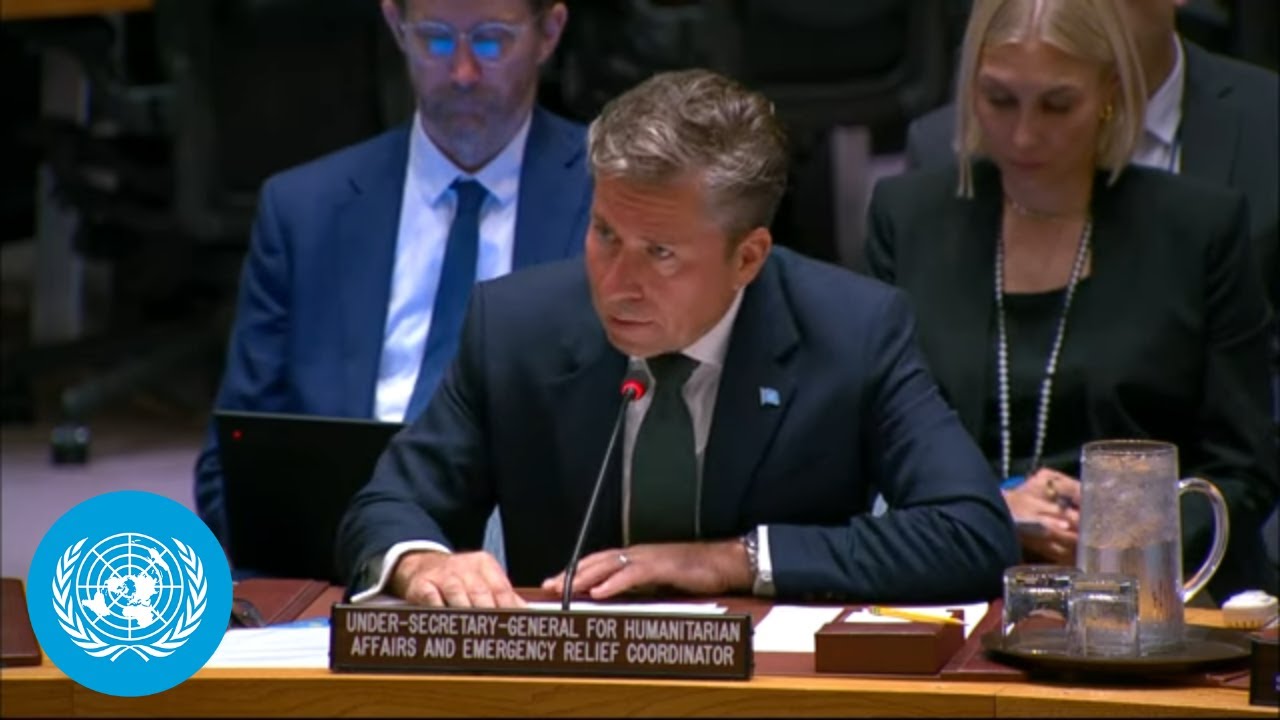
Briefing by Tom Fletcher, Under-Secretary-General for Humanitarian Affairs and Emergency Relief Coordinator, Office for the Coordination of Humanitarian Affairs (OCHA), on the situation in the Middle East.
—————————————
Under-Secretary-General for Humanitarian Affairs Tom Fletcher, briefing the Security Council, said that the people of Yemen are facing “an ever-growing humanitarian crisis” that has left the country the third most food insecure in the world. He warned that before February next year, one million more Yemenis are expected to be pushed into extreme hunger, joining 17 million already struggling to feed themselves, including over 40,000 people in catastrophic conditions. “Seventy per cent of households in Yemen do not have enough food to meet their daily needs – the highest rate ever recorded,” Fletcher told Council members. Nearly half of the population is suffering severe food deprivation, he said, adding that “in one out of five households, someone goes a full day and night without any food at all.”
The humanitarian chief pointed to localized efforts that are saving lives despite a difficult operating environment. In Hajjah, aid organizations strengthened their response after children in displacement camps died from starvation, scaling up food distributions, hygiene kits, and cash support. In Amran, support from the Yemen Humanitarian Fund allowed local partners to provide health and nutrition services to 15,000 people, including at the Maswar Rural Hospital. In Marib, UNICEF and WHO are providing emergency nutrition through four hospitals, treating hundreds of severely malnourished children, pregnant women, and new mothers. Humanitarian partners have also reached over 172,000 people affected by floods with shelter, clean water, and non-food items.
Despite these efforts, Fletcher stressed that “it is not enough.” Funding shortages are limiting the scale of response, he said, noting that two million women and girls have already lost access to reproductive health services in a country where a woman dies every two hours in childbirth. He warned that “funding cuts are costing lives” at a time when conflict and a collapsing economy continue to devastate Yemen.
The Under-Secretary-General also expressed grave concern over continued hostilities, including air strikes in Sana’a and Al Jawf since the last Council briefing that reportedly caused more than 300 casualties. He reiterated that “international humanitarian law must be respected; civilians and civilian objects must be protected.”
Equally alarming, Fletcher said, is the detention of 44 United Nations staff by Houthi authorities since late August, along with dozens of personnel from NGOs, civil society organizations, and diplomatic missions. “The arbitrary detention of UN staff, the forcible entry of UN offices, and the seizure of equipment fundamentally undermines our ability to deliver at scale,” he told the Council. “Detaining UN staff does not help the people of Yemen. It does not feed the hungry, heal the sick, nor protect those displaced by floods or fighting.”
Fletcher concluded with three urgent calls to action. First, he demanded the immediate release of all detained UN colleagues. Second, he called for the return of UN compounds occupied by security forces, to allow humanitarian partners to safely resume their work. Third, he appealed for increased funding for the humanitarian response to food insecurity and malnutrition, stressing that “we must not allow mass hunger to define the future of Yemen.”
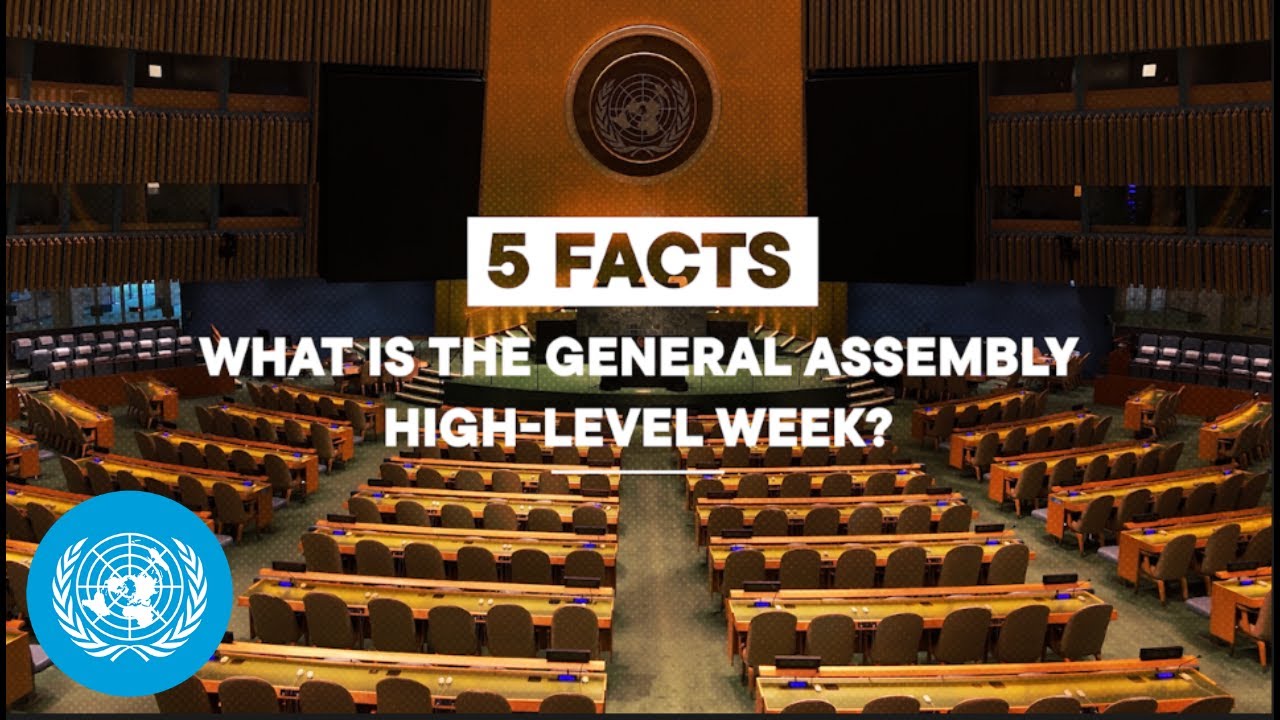
What is the UN General Assembly High-Level Week?
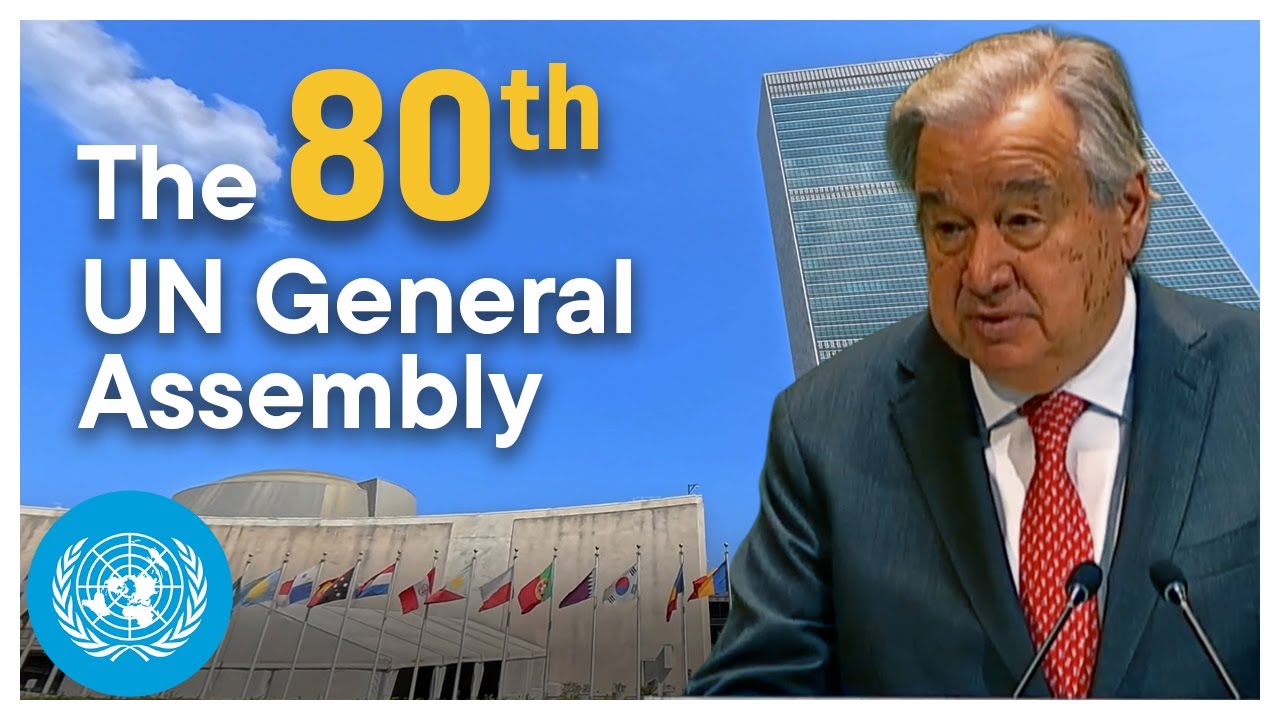
UNGA80 marks the 80th session of the General Assembly and the 80th anniversary of the United Nations, where world leaders gather at the High-level week in New York to discuss global issues.
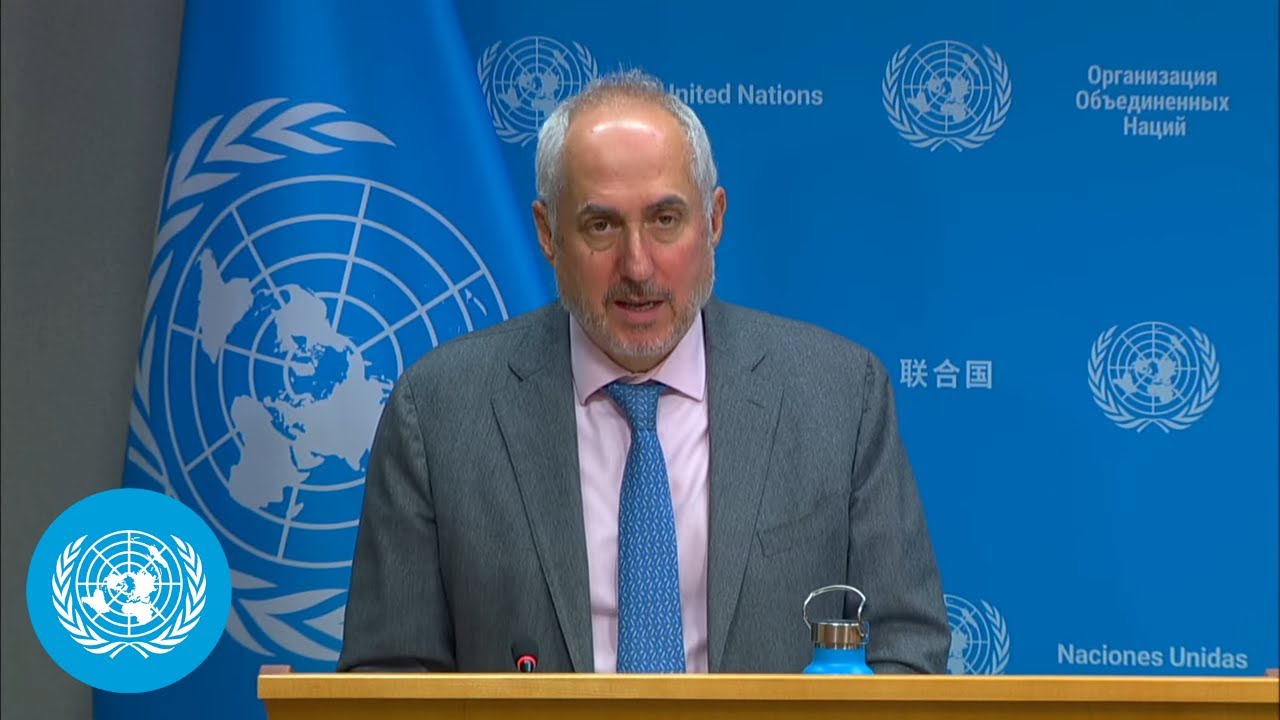
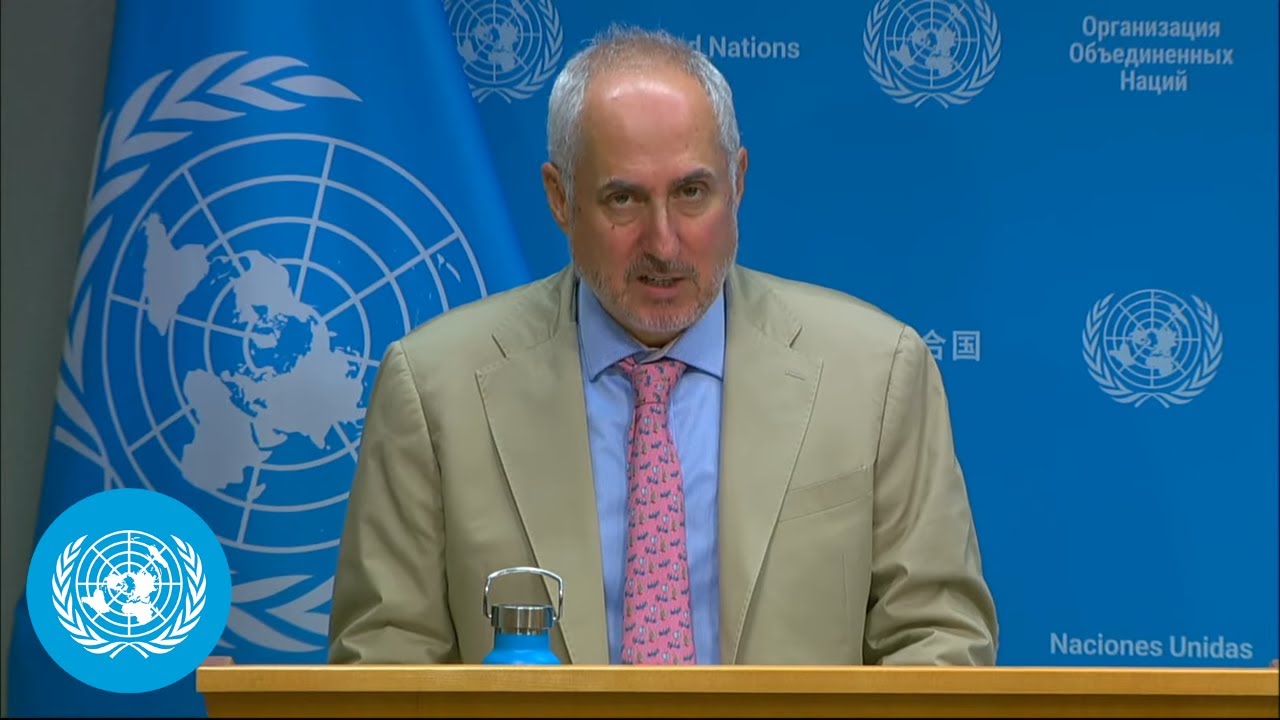
Noon Briefing by Stéphane Dujarric, Spokesperson for the Secretary-General.
Highlights:
Occupied Palestinian Territory
Sudan
Sudan / Humanitarian
Yemen
Ukraine
Democratic Republic of the Congo
Haiti
Trip Announcement
Agreement on Fisheries Subsidies
Scientific Advisory Board
International Day of Democracy
OCCUPIED PALESTINIAN TERRITORY
The United Nations condemns the deadly escalation of the Israeli military offensive which took place over the weekend across Gaza City, with scores of people reportedly killed or injured. This is having an appalling impact on civilians enduring suffering and starvation.
We reiterate our call for the protection of civilians and humanitarian personnel, and full respect for international law.
Yesterday, UNRWA’s Commissioner-General, Philippe Lazzarini, said that in the previous four days alone, 10 of the agency’s buildings have been hit in Gaza City. This includes seven schools and two clinics used as shelters for thousands of displaced people. Consequently, Mr. Lazzarini warned that exhausted and terrified civilians are again being forced to leave northern Gaza.
People are fleeing using the Al Rashid Road, which is the only route available for movement to the south and is extremely congested.
Over the past few days, colleagues monitoring the movement of people in Gaza counted almost 70,000 displacements heading south, primarily to Deir al Balah and Khan Younis. In the past month, partners observed about 150,000 movements from north to south.
Yesterday, the World Food Programme (WFP) said that forced displacement from Gaza City exhausts families’ resources and disrupts their last lifelines. Without safe, sustained access, the risk of worsening hunger grows, especially for children.
Meanwhile, the cost of transportation to the south has increased, and many who cannot afford to pay as much as $1,600 to move are having to stay put.
Our partners report that one third of malnutrition treatment facilities in Gaza City have already shut down due to forced displacement orders. Today, the Ministry of Health said that three more people died due to malnutrition and starvation over a span of 24 hours. Overall, the Ministry reports that 425 people across Gaza have died due to malnutrition and starvation, about a third of them children.
Our partners working in water, sanitation and hygiene have scaled up water production and are distributing water at reception points. They have been able to increase the number of meals being provided in the past few days, distributing about 40,000 additional meals daily. Throughout Gaza as of Saturday, 558,000 daily meals were prepared and delivered by 20 partners through 116 kitchens.
However, health services continue to be heavily constrained, since clinics have suspended their services due to insecurity and displacement orders. In Deir al Balah, more than half of the ambulances are now out of service, with a very limited number of ambulances to serve thousands of people.
OCHA reports that humanitarian movements inside Gaza continue to face impediments. Yesterday, out of 17 missions that our teams coordinated with the Israeli authorities, only four were facilitated. Seven missions were denied, including the delivery of water tanks to the north. Another four missions were impeded on the ground but three of them were nevertheless accomplished, and these included the collection of fuel and food cargo from Kerem Shalom/Karem Abu Salem. Two other missions had to be cancelled by the organizers.
OCHA continues to call for unimpeded humanitarian access. Aid should flow at scale through multiple crossings into and within Gaza, including the north.
Additionally, our partners estimate that about 77 per cent of road networks in Gaza have been damaged, with Gaza and Khan Younis governorates worst affected.
SUDAN
The Personal Envoy of the Secretary-General, Ramtane Lamamra, is currently in Port Sudan after concluding consultations in Nairobi. He has had very constructive engagements with Sudanese stakeholders across the spectrum, as well key interlocutors from the international community.
This will help lay the groundwork necessary to support an inclusive process that can deliver a sustainable solution that preserves Sudan’s sovereignty, unity, and territorial integrity.
The UN looks forward to working closely with the UN’s regional partners, including the African Union, IGAD and the League of Arab States on the recommencement of efforts towards an intra-Sudanese dialogue.
Full Highlights: https://www.un.org/sg/en/content/noon-briefing-highlight?date%5Bvalue%5D%5Bdate%5D=15%20September%202025
The 80th session of the United Nations General Assembly – under the theme Better together: 80 years and more for peace, development and human rights – comes at a pivotal moment to renew global commitment to multilateralism, solidarity and shared action for people and planet.
This year’s high-level week (22-30 September) highlights the urgency of delivering on the promise of the Sustainable Development Goals and reinvigorating global cooperation.
Visit UN News for a front-row seat to the 80th UN General Assembly! Follow world leaders as they debate the globe’s most pressing challenges and chart the next chapter for peace, development, and human rights — all live, on your phone or computer.
https://news.un.org/en/events/unga80 and https://news.un.org
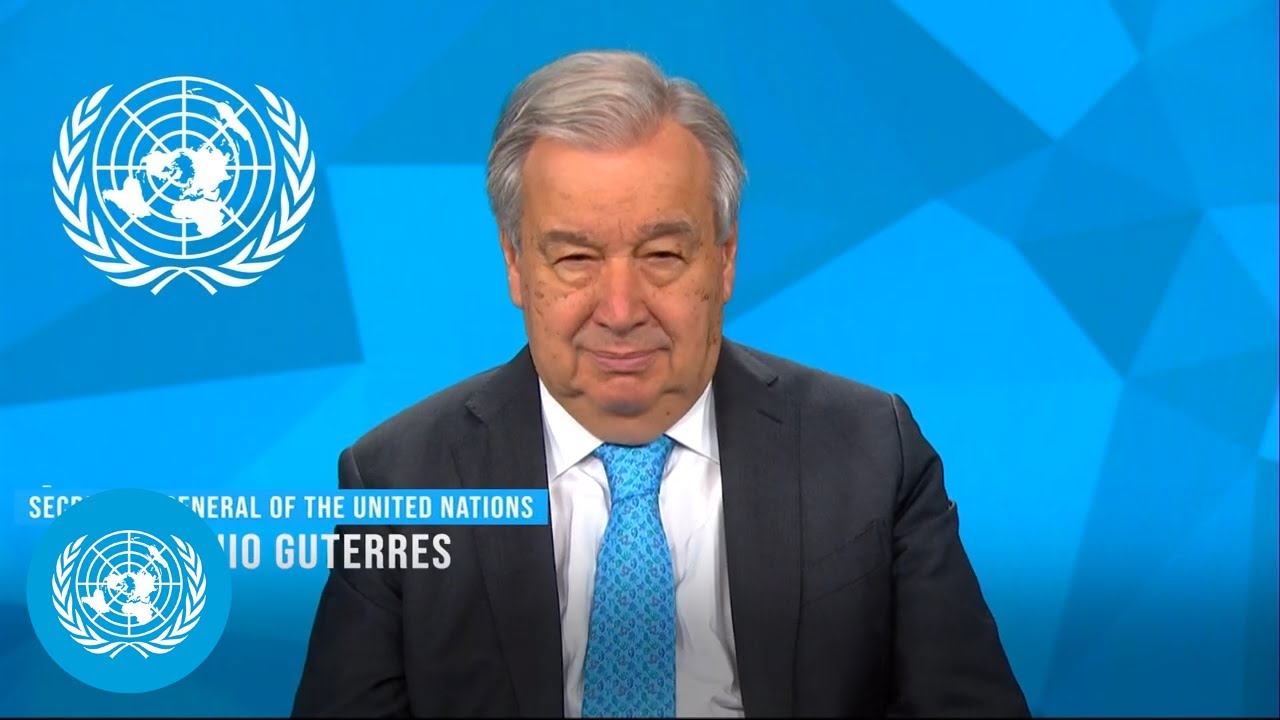
Video message by António Guterres, Secretary-General of the United Nations, on the International Day of Democracy 2025.
“Democracy is powered by the will of the people — by their voices, their choices, and their
participation.
It thrives when the human rights and fundamental freedoms of all are upheld — especially the
most vulnerable.
A democracy that excludes is no democracy at all.
To those who seek to discredit or undermine democracy, I say this:
I lived under a dictatorship.
And, along with many others, I helped rebuild democracy in Portugal.
I know the difference.
Today, as we mark 18 years of this International Day — and 20 years of the UN Democracy Fund
— we honour the courage of people everywhere who are shaping their societies through dialogue,
participation, and trust.
At a time when democracy and the rule of law are under assault from disinformation, division,
and shrinking civic space, these efforts are more vital than ever.
The United Nations itself is a forum for dialogue — rooted in the opening words of our Charter,
‘We the peoples.’
This is a powerful reminder that our legitimacy and purpose derive from those we serve.
Let us reaffirm democracy as a force for dignity, inclusion, and peace — and work together to
ensure it delivers for all.”
More info: https://www.un.org/en/observances/democracy-day
Each year the International Day of Peace is observed around the world on 21 September. The General Assembly has declared this as a day devoted to strengthening the ideals of peace, both within and among all nations and peoples.
——————————–
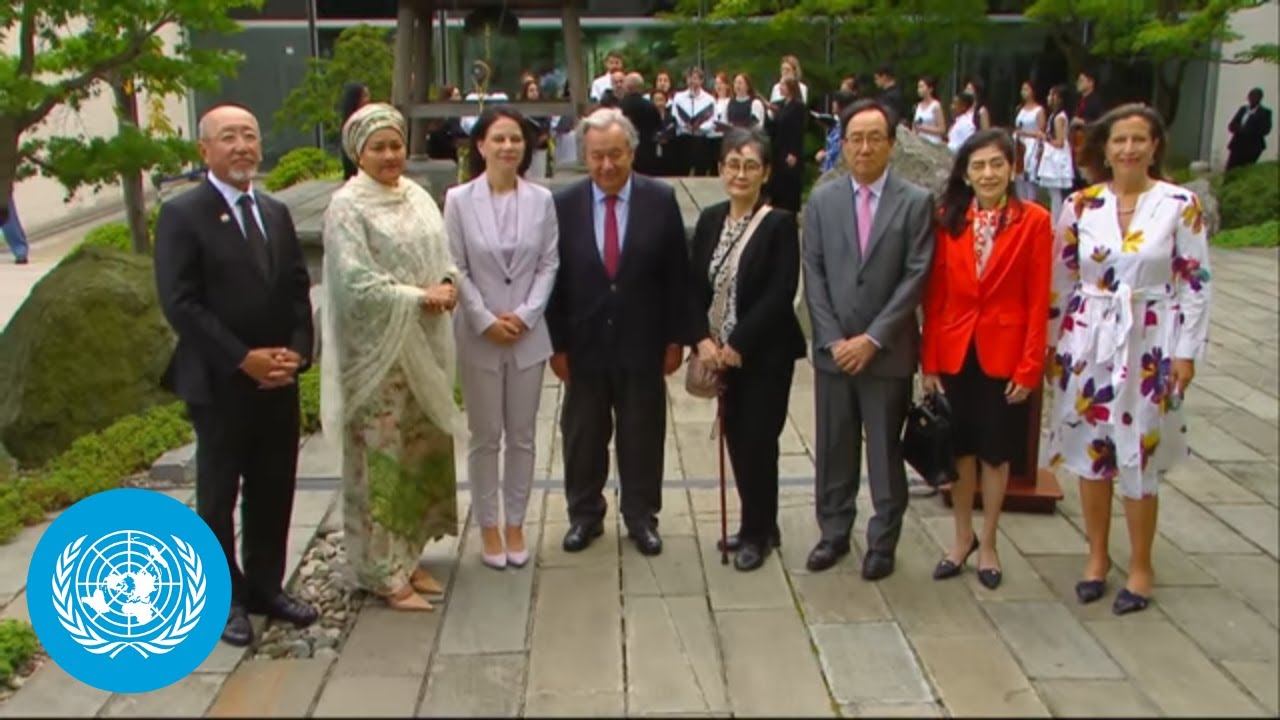
Secretary-General António Guterres rang the Peace Bell at United Nations Headquarters, and said, “Peace is the most powerful force for a better future. And it is within our grasp – if we choose it.”
This year’s Peace Day carries the theme Act Now for a Peaceful World. Guterres said, “We know that peace doesn’t happen by accident. It is forged – through courage, compromise, and above all, action. We must act – to silence the guns and amplify diplomacy.”
António Guterres noted that the bell “was cast from coins and medals donated by people across the world.” He added, “This Peace Bell reminds us that even the smallest contributions can forge something enduring. Even in a fractured world, we can come together to let peace ring. Let’s answer that call.”
General Assembly President Annalena Baerbock also addressed the gathering. She said, “Peace. A principle on which the United Nations was founded. One enshrined in the Charter as our collective aspiration never again to return to the scourge of war.”
Baerbock then also rang the Peace Bell, before participants gathered for a group photo to close the ceremony.
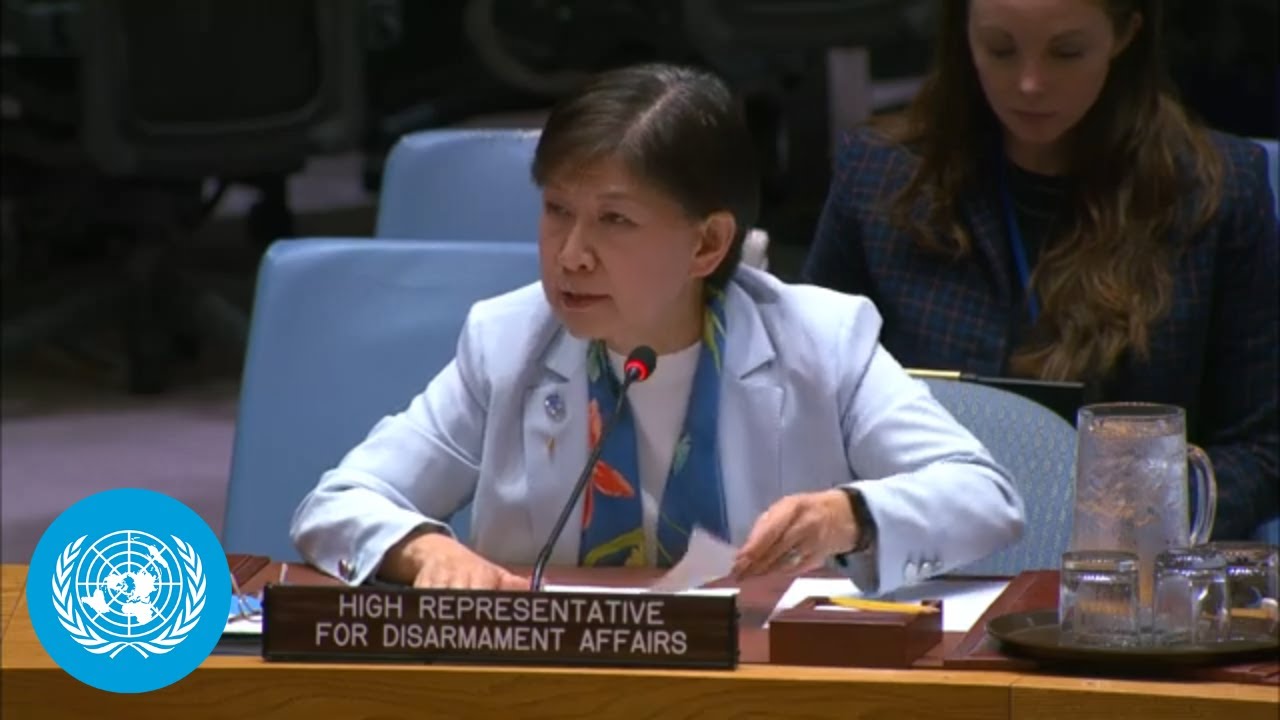
UN High Representative for Disarmament Affairs, said that the support from the entire international community “will be critical for efforts to rid Syria of all chemical weapons.”
Addressing the Security Council today (12 Sep), Izumi Nakamitsu said, “Since 2014, the OPCW Technical Secretariat has not been able to confirm that the declaration submitted by the previous Syrian authorities was accurate and complete, because of the insufficient and inaccurate information it contained. A total of 26 outstanding issues were reported, of which 19 remain unresolved.”
She reported, “The OPCW Technical Secretariat reported that in addition the 26 declared chemical weapons-related sites, information made available to the OPCW suggests that there are more than 100 other sites that may have been involved in chemical-weapons related activities.”
She continued, “During the deployment that took place in April, the OPCW collected three samples at one of the visited locations. The OPCW has reported that the analysis of these samples conducted by OPCW designated laboratories revealed indicators of nerve agents. This is a concerning finding, and the OPCW has shared the results with the Syrian authorities and intends to address the issue in subsequent deployments.”
She stressed, “There are significant challenges ahead, and consistent support from the entire international community will be critical for efforts to rid Syria of all chemical weapons.”
She highlighted, that the commitment of the new authorities in Syria “to fully and transparently cooperate with the OPCW Technical Secretariat is commendable.”
Ibrahim Alabi, Syrian Permanent Representative to the United Nations, said, “Syria will continue to resolutely proceed with rebuilding in order to overcome this legacy and spare no effort to destroy the arsenal of chemical weapons used against our unarmed people. This matter is receiving great attention from the highest levels of decision-making in the State in order to turn it into a ray of hope in the history of Syria.”
The future is young. Half the world is under 30 and this generation is emerging as a powerful force for peace in a world marred by conflict and injustice.
Across the globe, young people are organizing protests, sparking global movements, and forging bonds of solidarity. In communities ravaged by violence, they serve as peacemakers, peacekeepers, and peacebuilders, laying the groundwork for a resilient tomorrow.
These are some of their many voices – calling for change, hope and a world that is fit for their generation. They have the greatest stake in our common future, yet they are too often excluded from the spaces where solutions are shaped.
It’s time to hear their voices and act now.
Learn more about the UN campaign guided on the powerful agency of young peacemakers – https://www.un.org/en/peace-and-security/hear-us
Cookies are used on our website to make your use as comfortable as possible. These so-called essential cookies are stored in your browser because they are essential for the basic functions of the website.
We also use third-party cookies for online advertising on our sites. These cookies are only stored in your browser with your consent. By clicking here you agree to the use of these additional cookies or you can reject them:
This website uses cookies to improve your experience while you navigate through the website. Out of these, the cookies that are categorized as necessary are stored on your browser as they are essential for the working of basic functionalities of the website. We also use third-party cookies that help us analyze and understand how you use this website. These cookies will be stored in your browser only with your consent. You also have the option to opt-out of these cookies. But opting out of some of these cookies may affect your browsing experience.
Necessary cookies are absolutely essential for the website to function properly. These cookies ensure basic functionalities and security features of the website, anonymously.
Cookie
Duration
Description
cookielawinfo-checkbox-analytics
11 months
This cookie is set by GDPR Cookie Consent plugin. The cookie is used to store the user consent for the cookies in the category "Analytics".
cookielawinfo-checkbox-functional
11 months
The cookie is set by GDPR cookie consent to record the user consent for the cookies in the category "Functional".
cookielawinfo-checkbox-necessary
11 months
This cookie is set by GDPR Cookie Consent plugin. The cookies is used to store the user consent for the cookies in the category "Necessary".
cookielawinfo-checkbox-others
11 months
This cookie is set by GDPR Cookie Consent plugin. The cookie is used to store the user consent for the cookies in the category "Other.
cookielawinfo-checkbox-performance
11 months
This cookie is set by GDPR Cookie Consent plugin. The cookie is used to store the user consent for the cookies in the category "Performance".
viewed_cookie_policy
11 months
The cookie is set by the GDPR Cookie Consent plugin and is used to store whether or not user has consented to the use of cookies. It does not store any personal data.
Functional cookies help to perform certain functionalities like sharing the content of the website on social media platforms, collect feedbacks, and other third-party features.
Performance cookies are used to understand and analyze the key performance indexes of the website which helps in delivering a better user experience for the visitors.
Analytical cookies are used to understand how visitors interact with the website. These cookies help provide information on metrics the number of visitors, bounce rate, traffic source, etc.
Advertisement cookies are used to provide visitors with relevant ads and marketing campaigns. These cookies track visitors across websites and collect information to provide customized ads.