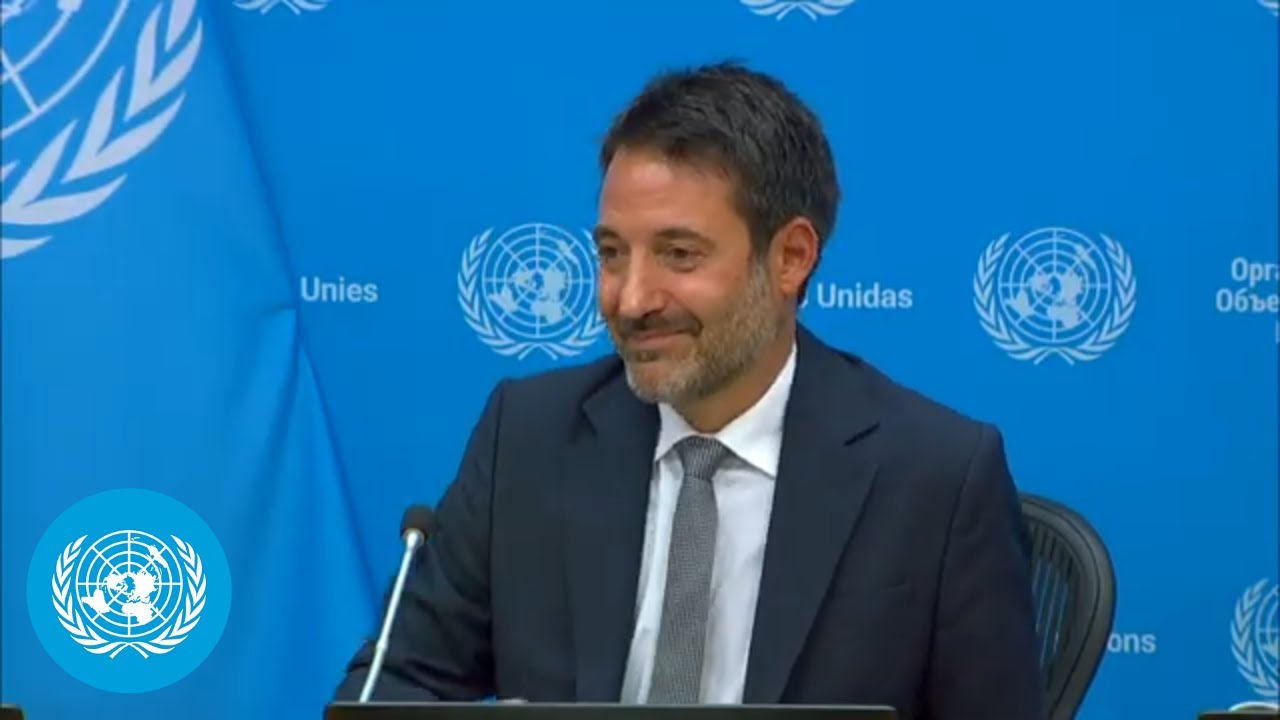
Press conference by David Nanopoulos, Chief of the Treaty Section in the Office of Legal Affairs, on the annual Treaty Event- Eighty years of multilateral treaty making at the United Nations.
A message from Dr. Jane Goodall, UN Messenger of Peace, in observance of International Day of Peace, 21 September 2025.
This year’s theme, “Act Now for a Peaceful World,” is a powerful call to action. Dr. Jane Goodall reminds us that peace depends not only on how we treat one another, but also on how we care for animals and the natural world we share.
Inspired by this vision, young people in Jane Goodall’s Roots & Shoots program are already taking action in more than 75 countries and counting—addressing food insecurity, protecting wildlife, and creating safe, inclusive communities.
As Jane often says, “Every individual can make a difference.” Each project, each act of kindness, adds up to something extraordinary: a global movement toward a more just, compassionate, and sustainable future. 🌍💚
This Peace Day, join us in taking action for peace—for people, for other animals, and for the planet.
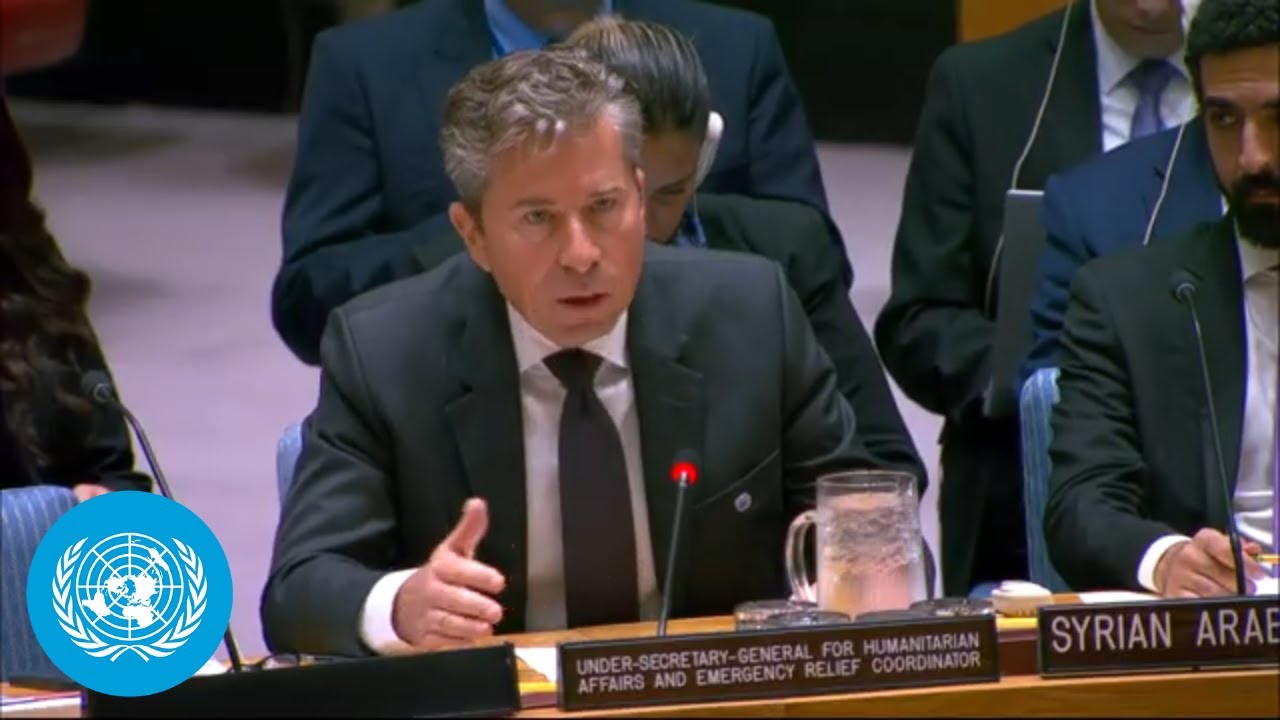
Briefing by Tom Fletcher, Under-Secretary-General for Humanitarian Affairs and Emergency Relief Coordinator, Office for the Coordination of Humanitarian Affairs (OCHA), on the situation in the Middle East.
————————————–
Under-Secretary-General for Humanitarian Affairs Tom Fletcher, briefing the Security Council, said Syria remains “by any metric one of the largest humanitarian emergencies globally,” with over 70 per cent of the population in need, 9 million people acutely food insecure, and millions displaced inside and outside the country.
He noted progress in aid delivery, highlighting “a more collaborative engagement with the authorities” that has allowed the UN to reach some communities for the first time in years. On average, nearly 3.5 million people are now receiving assistance each month, including food for 1 million, subsidized bread for 2 million, medical care for 2 million, and immunizations for 1.7 million children. UNICEF, WHO and partners are rehabilitating hospitals and water systems, while WFP and FAO support agriculture and bread production.
Yet, Fletcher warned that “we risk missing a rare opportunity for the people of Syria.” The humanitarian appeal is only 18 per cent funded, forcing cuts to hospitals, safe spaces, and essential programmes, with women and girls bearing the heaviest risks. Without more support, he cautioned, refugee returns and recovery efforts will falter, especially with winter approaching.
He concluded with three key asks: “First, preserve stability to prevent renewed violence. Second, fund the humanitarian response to save more lives. Third, enable Syrian-led recovery by translating pledges into concrete investment, rebuilding homes and services, and creating livelihoods.”
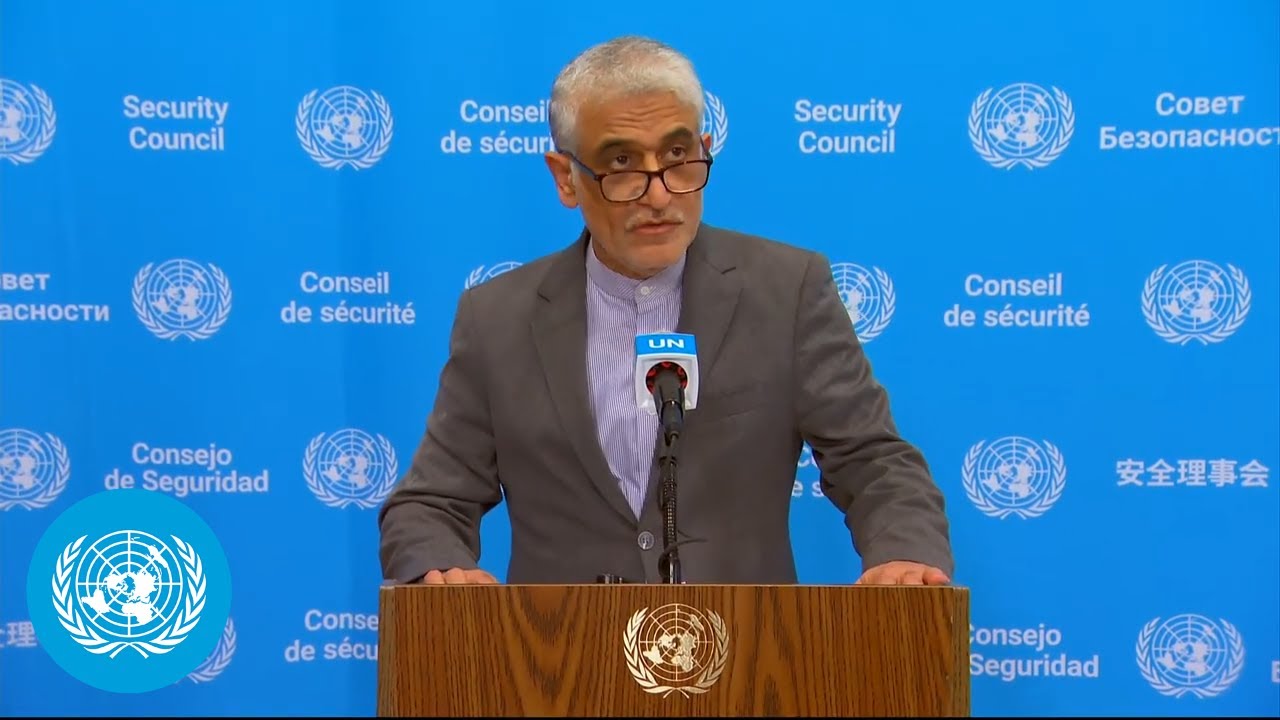
Informal comments to the media by Amir Saeid Iravani, Permanent Representative of Iran (Islamic Republic of Iran) to the United Nations, on Iran’s Non-Proliferation issue.
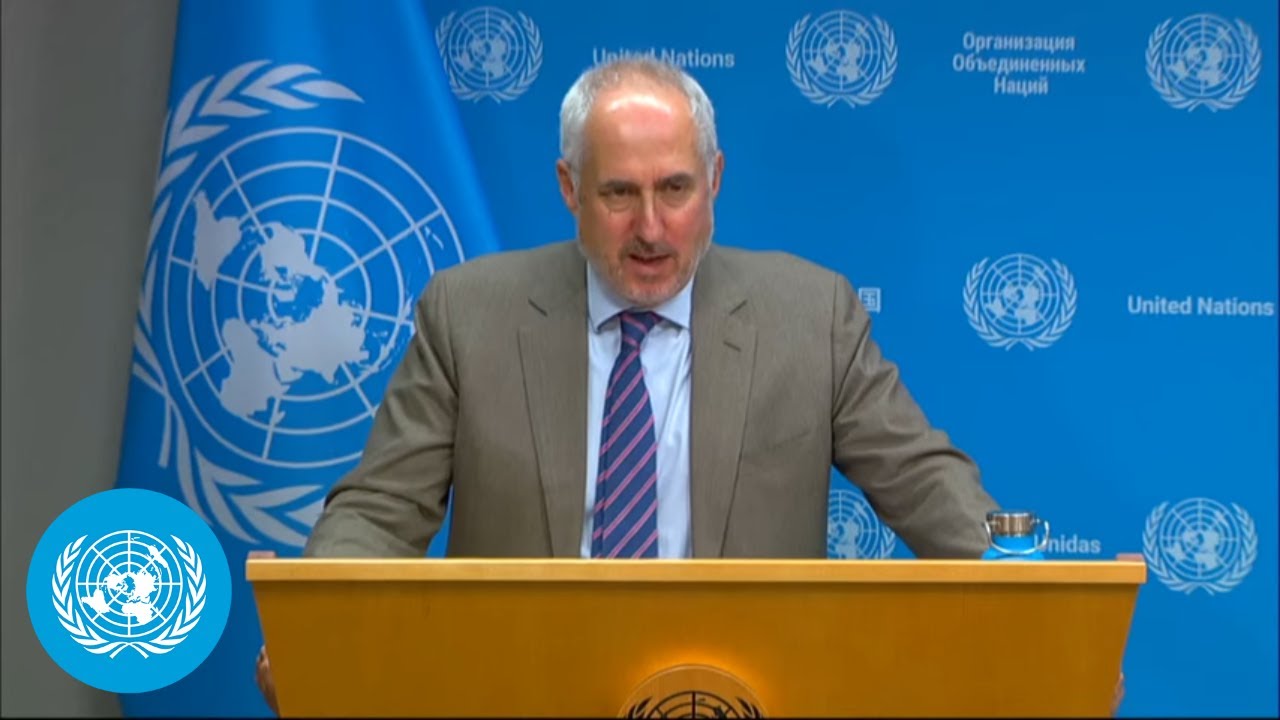
Noon Briefing by Stéphane Dujarric, Spokesperson for the Secretary-General.
Highlights:
– UN80 Report
– UN@80
– Occupied Palestinian Territory
– Allenby Bridge
– Lebanon/Israel
– Sudan
– South Sudan
– Haiti
– Democratic Republic of The Congo
– International Days
UN80 REPORT
Yesterday afternoon, the Secretary-General shared with Member States another report linked to the UN80 initiative. This one was prepared under the third workstream and is about structural reforms and programme realignments. The report outlines proposals for changes in the Organization’s structure, in the way UN entities collaborate and operate.
The UN80 process, and the proposals included in this new report, aim to strengthen how we deliver across all three pillars of our work – peace and security, sustainable development and of course, human rights.
The report was issued ahead of the High-Level Week to inform deliberations between Member States on ways to strengthen the UN system. The Secretary-General will formally present the report to Member States in October – after high-level week.
OCCUPIED PALESTINIAN TERRITORY
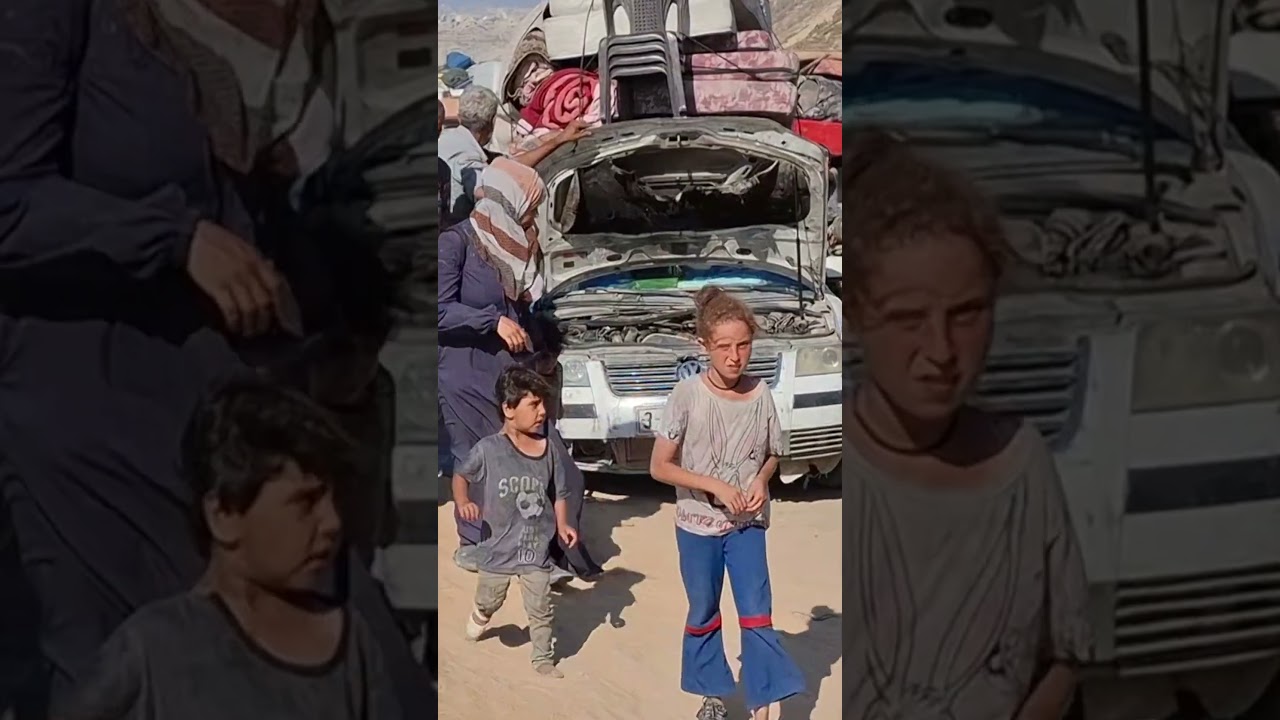
The Office for the Coordination of Humanitarian Affairs (OCHA) reports that ongoing strikes and ground operations continue to exact a heavy toll on battered and exhausted civilians. As the offensive on Gaza city intensifies, the influx of newly displaced people arriving in the south is putting even more stress on already overstretched services, as space in southern Gaza continues to shrink due to overcrowding.
OCHA reports that people are arriving deep into the night, many of them walking for long hours without food, without water and without shelter. The coastal Al Rashid Road remains extremely congested as vehicles, donkey carts, tuk-tuks and people on foot make their way south amid the escalating attacks. Despite the announcement by the Israeli authorities to allow Salah Ad Din Road to be used by people fleeing south, partners report that the road is impassable for travel by vehicles, as the route requires repairs.
Today, Israeli authorities also announced that the 48-hour window to use the road is now closed, making Al Rashid the only passage available for civilians who want to leave north.
The UN and its partners continue to respond wherever and whenever way is possible, despite extremely challenging circumstances and the ongoing insecurity. Yesterday, an interagency mission led by our OCHA colleagues carried out an assessment in multiple areas of Khan Younis where people displaced from the north have recently arrived. The assessment noted high levels of need among the displaced families, especially for shelter, for food, for water, for medical care and for every essential part of survival.
OCHA reiterates that the volumes of supplies entering Gaza remain below the threshold necessary to address people’s deepening needs. Furthermore, humanitarians require conditions on the ground to enable them to reach the most vulnerable people with assistance safely, rapidly and consistently.
The looting of supplies remains a critical obstacle preventing the UN and its partners from being able to deliver aid at scale, including by using community-based mechanisms, which have been proved successful in the past. In a statement today, the UN Children’s Fund (UNICEF) said that yesterday, four trucks full of ready-to-use therapeutic food were stolen at gunpoint in Gaza city.
SUDAN
The Resident and Humanitarian Coordinator in Sudan, Denise Brown, said noted that the attack that today struck a mosque near the Abu Shouk camp in in El Fasher claimed the lives of dozens of civilians who were worshipping there, reminding us that international humanitarian law demands the protection of religious sites and those civilians who worship there.
She called for an investigation and for the perpetrators to be held to account.
This ongoing siege of El Fasher has already created a severe humanitarian crisis, cutting off food, medicine and other life-saving support. The UN reiterates its calls for an immediate cessation of fire in and around El Fasher.
Humanitarian access of personnel and supplies must be facilitated in order for us to reach those in need.
And just to note that a report issued by our human rights colleagues in Geneva today showed that the conflict-driven crisis in Sudan intensified in the first half of the year, with a significant rise in civilian killings, including summary executions, amid growing ethnic violence and a worsening humanitarian situation.
The report calls on states to use their influence to end this conflict.
Full Highlights: https://www.un.org/sg/en/content/noon-briefing-highlight?date%5Bvalue%5D%5Bdate%5D=19%20September%202025
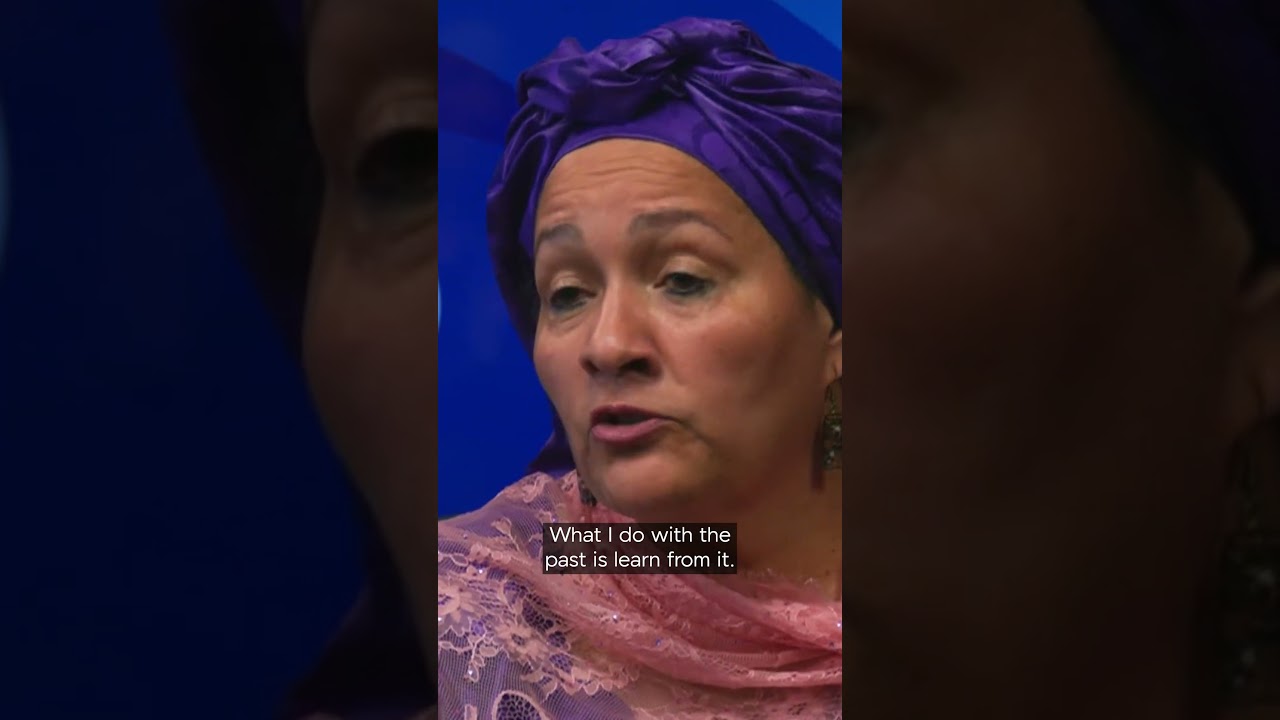
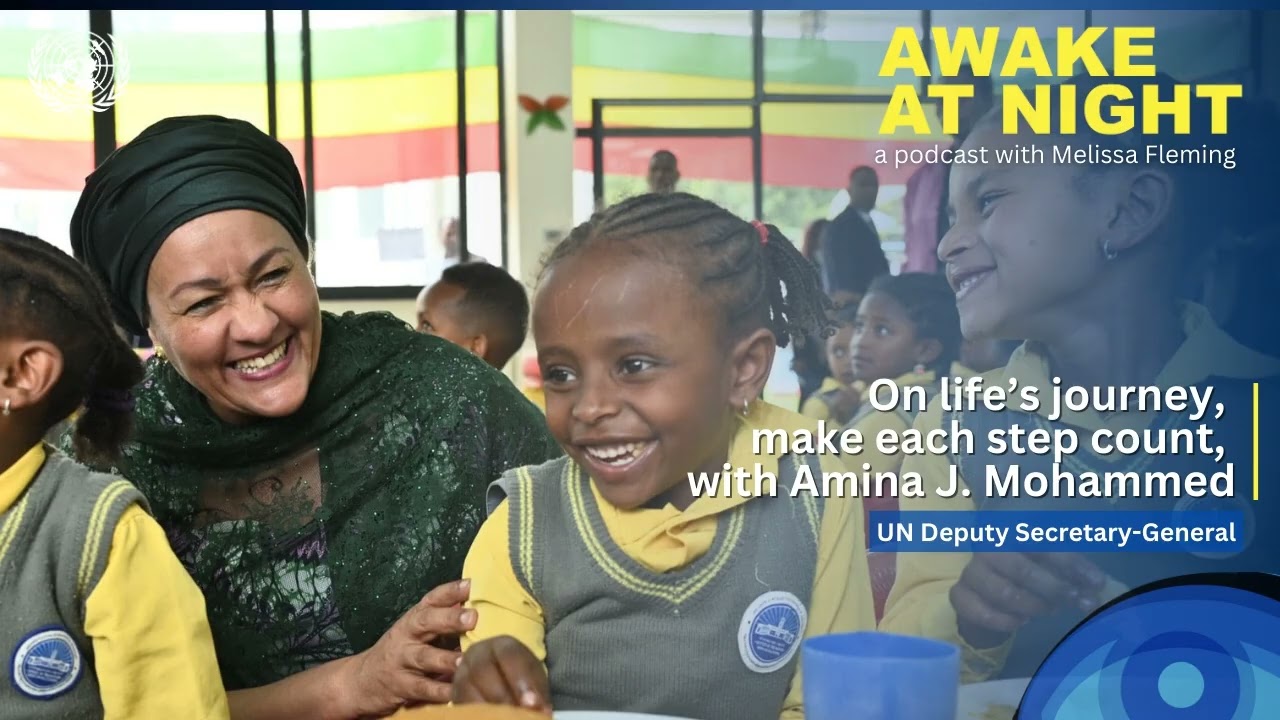
How does one out of five sisters from rural Nigeria grow up to be UN Deputy Secretary-General?
Blessed with tenacity, determination and grit, Amina Mohammed has always been driven to improve the lives of her fellow human beings and our planet. Rising to the top of the United Nations, her vision has helped shape the world’s blueprint for a brighter future.
“One step at a time, this whole life is about a journey. Make each step count. It is about taking people with you. Don’t do this alone. It’s too heavy. You need people to cry with you, laugh with you.”
Amina Mohammed is known for making the impossible possible, and has relied on a strong moral compass and the strength of her convictions across a long and varied career of service. In this episode, the UN Deputy Secretary-General and mother-of-six and grandmother to five reflects on what the Sustainable Development Goals have meant in her own life and shares what chocolate and traditional clothes have to do with strong leadership.
United Nations Secretary-General António Guterres speaks with UN News in the lead-up to the 80th General Assembly High-level week.
Mr. Guterres warns of rising global crises—conflict, climate change and unregulated technology—and urges world leaders to commit to reform of the international financial system. He also stresses the importance of reaffirming multilateralism, supporting refugees, defending gender equality and empowering youth.
Interview by Melissa Fleming, Under-Secretary-General for Global Communications.
How does one out of five sisters from rural Nigeria grow up to be UN Deputy Secretary-General?
Blessed with tenacity, determination and grit, Amina Mohammed has always been driven to improve the lives of her fellow human beings and our planet. Rising to the top of the United Nations, her vision has helped shape the world’s blueprint for a brighter future.
“One step at a time, this whole life is about a journey. Make each step count. It is about taking people with you. Don’t do this alone. It’s too heavy. You need people to cry with you, laugh with you.”
Amina Mohammed is known for making the impossible possible, and has relied on a strong moral compass and the strength of her convictions across a long and varied career of service. In this episode, the UN Deputy Secretary-General and mother-of-six and grandmother to five reflects on what the Sustainable Development Goals have meant in her own life and shares what chocolate and traditional clothes have to do with strong leadership.
[00:00] Introduction
[01:04] What keeps Amina awake at night
[04:14] Behind the blueprint of the SDGs
[06:19] Turning life experiences into a vision for the SDGs
[11:33] Growing up in the best of two worlds
[15:30] From architecture to public institutions
[16:56] Balancing family and career
[18:36] Rights and justice
[22:11] Entering public service
[24:40] Reframing environmental issues as drivers of conflict
[27:18] Amina’s personal mantra for resilience and moving forward
[28:45] Advice to her younger self
[30:12] Not holding back
[33:00] Comfort in chocolate
[34:06] Wearing her culture proudly
[35:53] A message to the overwhelmed
[39:04] The work is not done yet
[40:08] Closing remarks
About Awake at Night
Hosted by Melissa Fleming, UN Under-Secretary-General for Global Communications, the podcast ‘Awake at Night’ is an in-depth interview series focusing on remarkable United Nations staff members who dedicate their career to helping people in parts of the world where they have the hardest lives – from war zones and displacement camps to areas hit by disasters and the devastation of climate change.
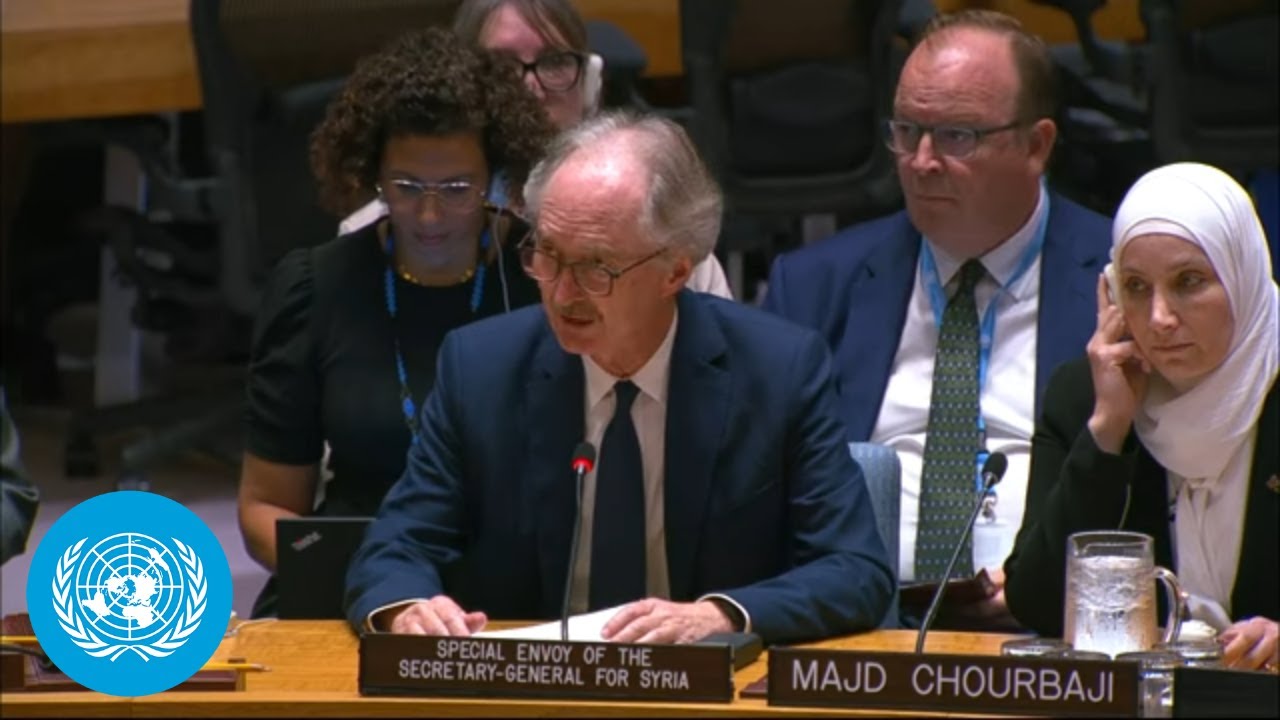
Briefing by Mr. Geir Pedersen, the Special Envoy of the Secretary-General for Syria, on the situation on the Middle East.
—————————-
The UN Special Envoy for Syria briefed the Security Council, stressing that the country’s fragile transition faces immense challenges but also opportunities. He said the interim authorities in Damascus “have inherited not just the ruins of shattered buildings, but the deeper wreckage of a battered social fabric, decayed institutions, and a hollowed-out economy.” Urgent international assistance, private sector revival, sanctions relief, and political stability are needed to move forward.
He warned against continued external interference, citing recent Israeli strikes, calling them “unacceptable and must stop,” and urged respect for Syria’s “sovereignty, independence, and territorial integrity.”
On Sweida, he welcomed the 18 July ceasefire and the 16 September roadmap, which includes measures on accountability, humanitarian and commercial access, reconstruction, and reconciliation. However, he cautioned that “solutions must safeguard Syria’s unity and territorial integrity while addressing the legitimate fears of the Druze community.”
Turning to the northeast, he noted that channels remain open between the interim authorities and the Syrian Democratic Forces, saying “this will require bold moves and genuine compromise” on military integration, security reform, and disarmament. He also urged Member States to “heighten engagement on repatriation of their nationals in Al-Hol.”
Looking ahead, he underlined the importance of an inclusive interim legislature, stressing that “transparency, women’s participation, and the representation of all communities will be essential to confer legitimacy.”
Concluding, he warned that mishandling the transition could lead to gridlock and renewed conflict, but added: “If the challenges are well handled, and met with genuine negotiation and bold compromise, unity is within reach, and success against the odds is possible.”
“Peace is not a line we cross.
It is a choice we make.
Peace is not found, it is built.”
Ahead of this week’s #PeaceDay, we join UN Global Advocate for Peace Maryam Bukar Hassan in calling on everyone, everywhere, to stand for peace. Watch and get inspired by the powerful message of hope the Nigerian artist and poet delivers in her spoken word piece ‘Peace is a Verb’.
#PeaceBegins with me, you, and all of us.
_________
Written & Performed: Maryam Bukar Hassan
Produced, Directed & Edited by: Stephanie Lemesianou
Assisted by: Rebecca Moudio, Sara Qamar, Shruti Satish, Tengjiao Wang
Live Performance: SummerStage Festival, Central Park NYC
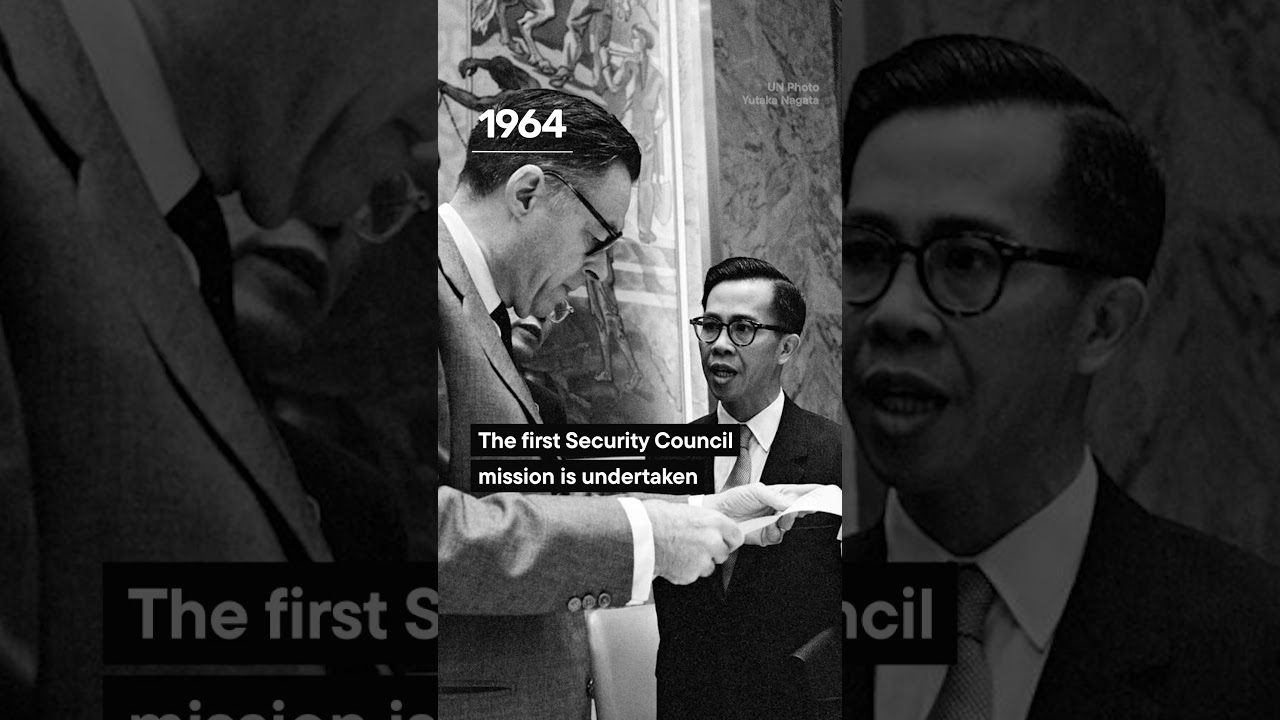
Today marks a historical milestone for the United Nations Security Council – 10,000 meetings since the Council’s inception in 1946. Find out more about this UN organ, tasked with maintaining international peace and security
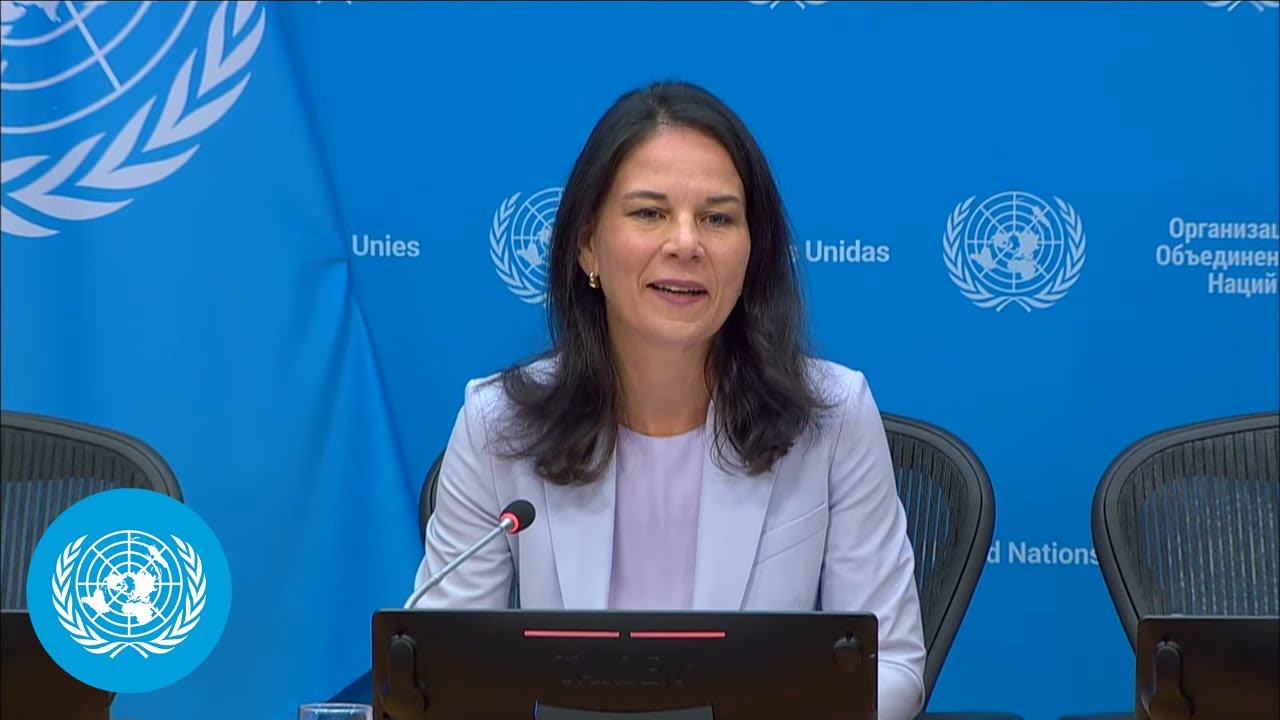
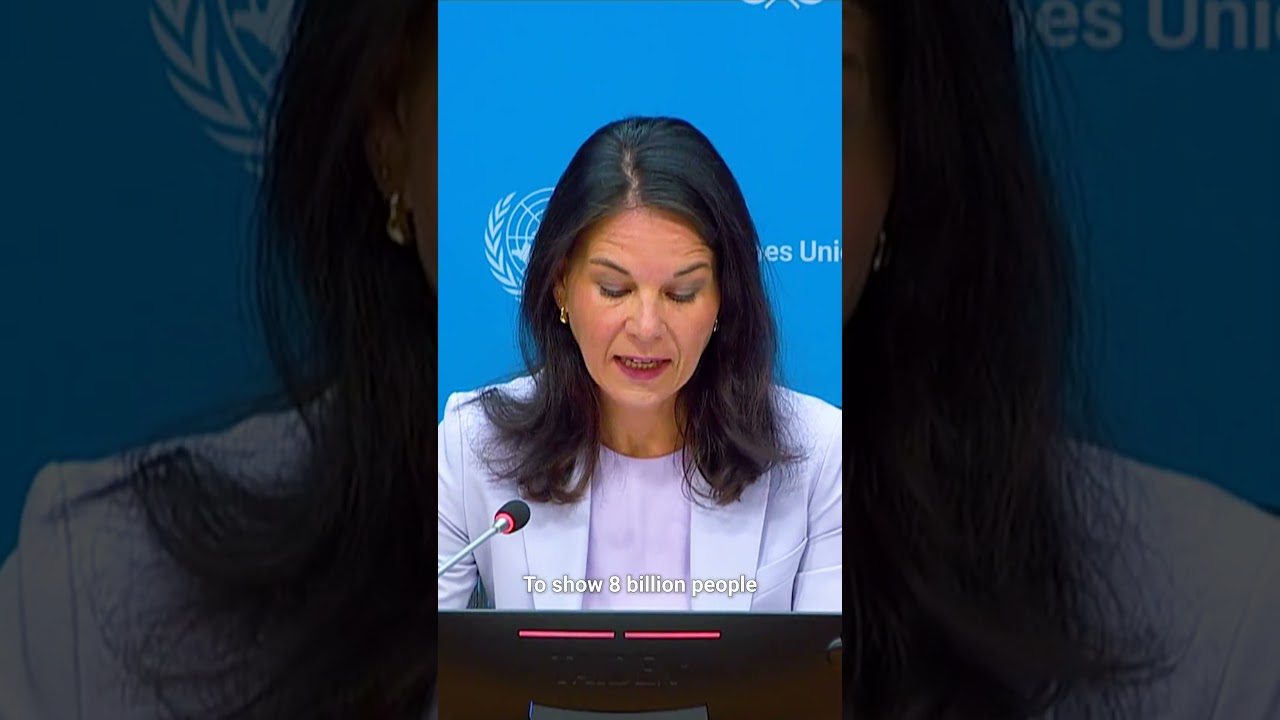
“Better Together” theme will guide the work of the United Nations General Assembly’s 80th session, its President Annalena Baerbock told reporters. “No single nation, regardless of its size, might, or wealth, can confront the challenges that we face all alone,” she said.
Briefing journalists today (17 Sep) Baerbock said the year’s priorities include advancing the UN80 reform agenda, strengthening the organization’s effectiveness, and guiding the selection of the next Secretary-General. She also highlighted the need to build on the Pact for the Future and “regain momentum on the SDGs.”
“Yes, we are at a crossroads – a make-or-break moment,” Baerbock said. “Our forebearers had the humility and grace to put aside their differences and work together in 1945; we need that same principled conviction today.”
She stressed that governments must back up their speeches with tangible commitments. “If we want to make our United Nations stronger, then we would need commitments from all the governments around the world,” Baerbock said, urging parliaments to consider UN funding alongside global priorities such as peace and security, climate action, human rights, and sustainable development.
Baerbock said these issues would guide her bilateral meetings with heads of state during the high-level week.
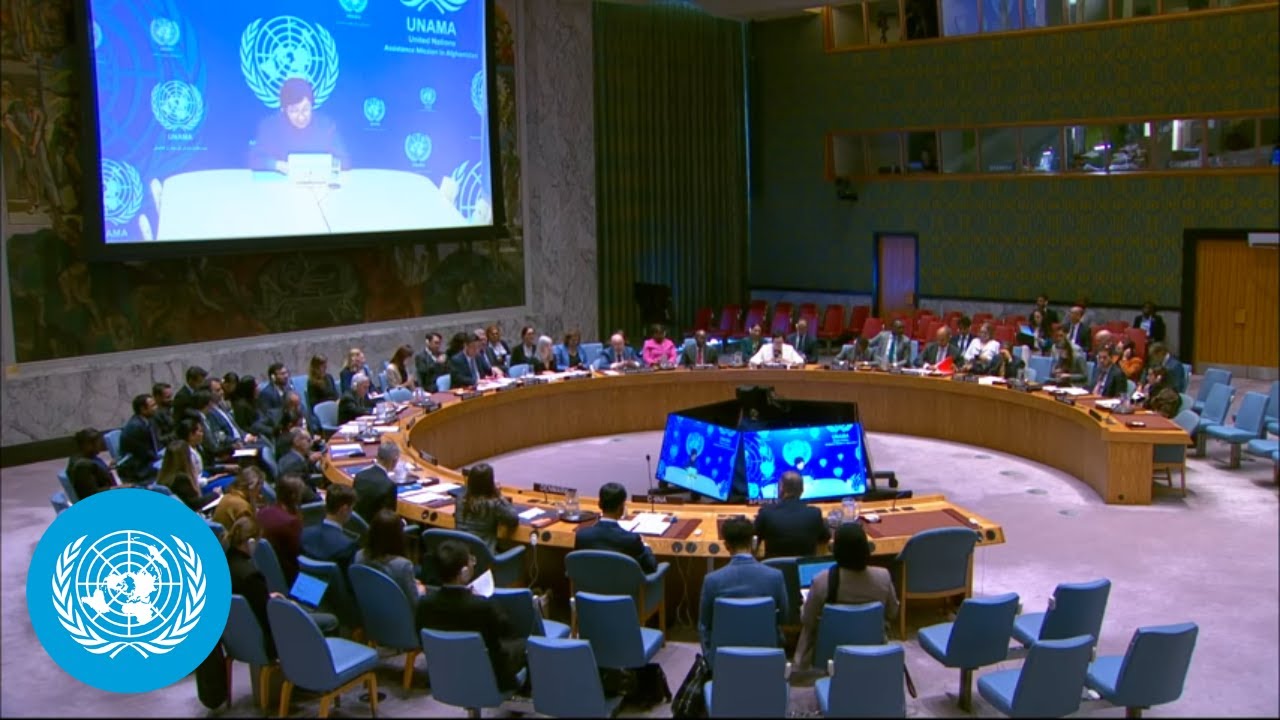
The Special Representative of the Secretary-General for Afghanistan Roza Isakovna Otunbayeva today (17 Sep) told the Security Council that as United Nations agencies “were ramping up their support for earthquake victims,” Taliban authorities “have blocked access for female national staff to UN field office premises around the country,” and said “this serious restriction hinders the UN’s ability to help the Afghan people at their moment of great need.”
Otunbayeva welcomed support from International Financial Institutions (IFIs) such as the World Bank and the Asian Development Bank, but said, “IFI-funded projects must be implemented through UN agencies, and their impact has been reduced by the enforcement of bans against female national staff, and the wider ban on women working, which has created unacceptable discrimination.”
She said, “we have issued a statement calling for the lifting of this ban and its enforcement, and I urge the Security Council to echo our call.”
Cookies are used on our website to make your use as comfortable as possible. These so-called essential cookies are stored in your browser because they are essential for the basic functions of the website.
We also use third-party cookies for online advertising on our sites. These cookies are only stored in your browser with your consent. By clicking here you agree to the use of these additional cookies or you can reject them:
This website uses cookies to improve your experience while you navigate through the website. Out of these, the cookies that are categorized as necessary are stored on your browser as they are essential for the working of basic functionalities of the website. We also use third-party cookies that help us analyze and understand how you use this website. These cookies will be stored in your browser only with your consent. You also have the option to opt-out of these cookies. But opting out of some of these cookies may affect your browsing experience.
Necessary cookies are absolutely essential for the website to function properly. These cookies ensure basic functionalities and security features of the website, anonymously.
Cookie
Duration
Description
cookielawinfo-checkbox-analytics
11 months
This cookie is set by GDPR Cookie Consent plugin. The cookie is used to store the user consent for the cookies in the category "Analytics".
cookielawinfo-checkbox-functional
11 months
The cookie is set by GDPR cookie consent to record the user consent for the cookies in the category "Functional".
cookielawinfo-checkbox-necessary
11 months
This cookie is set by GDPR Cookie Consent plugin. The cookies is used to store the user consent for the cookies in the category "Necessary".
cookielawinfo-checkbox-others
11 months
This cookie is set by GDPR Cookie Consent plugin. The cookie is used to store the user consent for the cookies in the category "Other.
cookielawinfo-checkbox-performance
11 months
This cookie is set by GDPR Cookie Consent plugin. The cookie is used to store the user consent for the cookies in the category "Performance".
viewed_cookie_policy
11 months
The cookie is set by the GDPR Cookie Consent plugin and is used to store whether or not user has consented to the use of cookies. It does not store any personal data.
Functional cookies help to perform certain functionalities like sharing the content of the website on social media platforms, collect feedbacks, and other third-party features.
Performance cookies are used to understand and analyze the key performance indexes of the website which helps in delivering a better user experience for the visitors.
Analytical cookies are used to understand how visitors interact with the website. These cookies help provide information on metrics the number of visitors, bounce rate, traffic source, etc.
Advertisement cookies are used to provide visitors with relevant ads and marketing campaigns. These cookies track visitors across websites and collect information to provide customized ads.