Statement by Ambassador Dr. Riyad Mansour, Permanent Observer of the State of Palestine, on behalf of the Organization of Islamic Cooperation at the Security Council Media Stakeout.
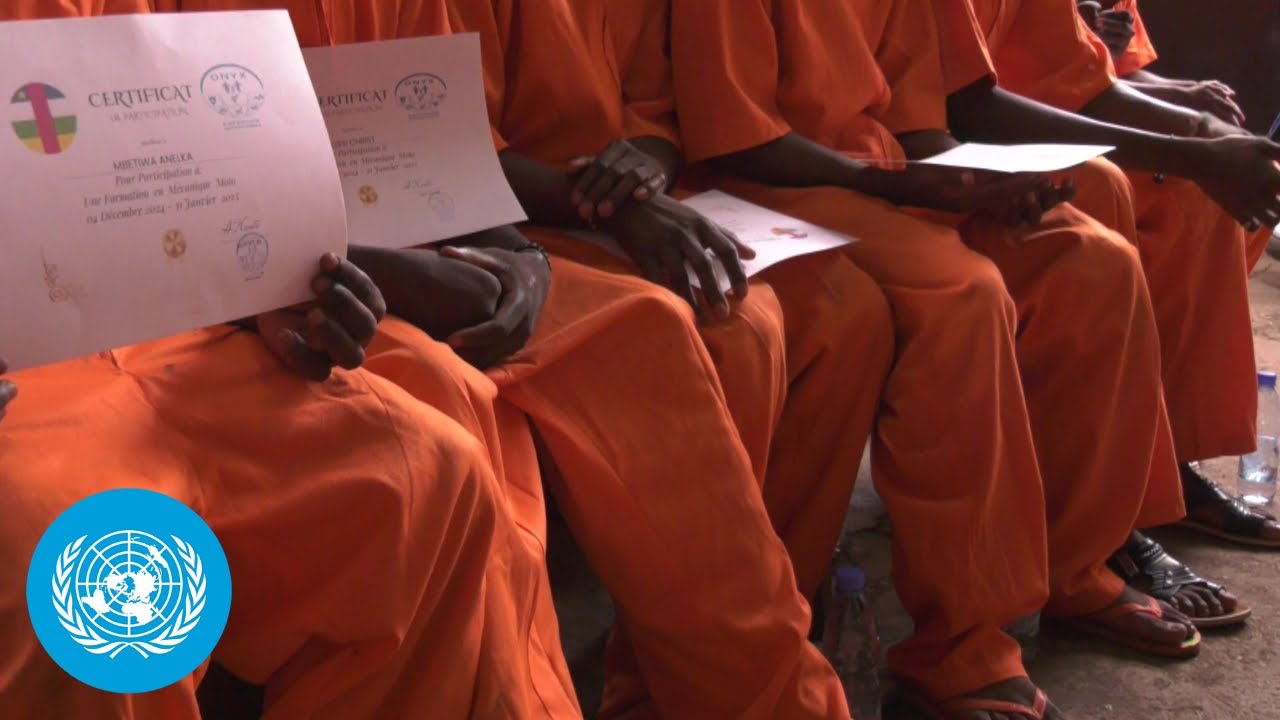
Learning new skills is key to helping prisoners successfully reintegrate into society after serving their sentence, and it’s one of the most effective ways to reduce the risk of reoffending.
The UN Mission in the Central African Republic is working with the Ngaragba Prison Administration to offer vocational training programs in sewing, carpentry, mechanics, and more. These programs give young detainees the tools they need to build a future, find employment, and support their families once they’re released.
This initiative is part of the UN’s broader efforts to strengthen rule of law and promote lasting peace.
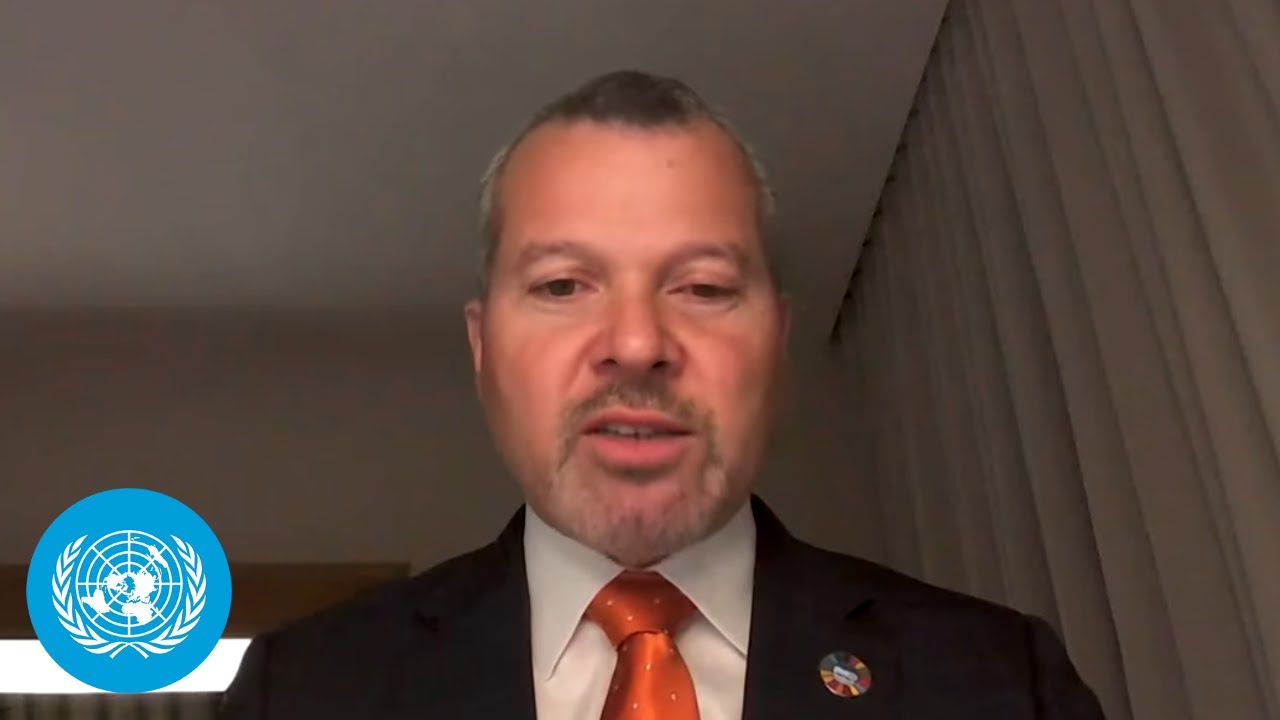
“The safety and security of the maritime sector is fundamental to economic stability, sustainable maritime development and to livelihoods,” said Arsenio Domínguez, Secretary-General of the International Maritime Organization (IMO).
As the UN Security Council opened a high-level debate today (Aug 11) on emerging challenges to global maritime security, Domínguez said threats to shipping “are ever present,” noting that in 2024 nearly 150 incidents of piracy and armed robbery were reported, with the highest numbers in the Straits of Malacca and Singapore, the Indian Ocean, and West Africa.
The meeting, titled “Maritime Security: Prevention, Innovation, and International Cooperation to Address Emerging Challenges,” was chaired by Panamanian President José Raúl Mulino as the signature event of Panama’s August presidency of the Council.
Panama Canal Authority CEO Ricaurte Vásquez Morales said the canal’s constitutional commitment to equal access “in times of peace or war” has helped shield it from geopolitical tensions. Over 25 years under Panamanian administration, the canal has doubled its capacity, expanded locks, and enhanced security, he said, with revenues reinvested to maintain operations and fund social projects in Panama.
INTERPOL Secretary-General Valdecy Urquiza warned that piracy and armed robbery are resurging in parts of Southeast Asia, with continued threats in the Gulf of Guinea, Singapore Straits, the Red Sea, and the Somali coast. He said maritime crime is increasingly linked to terrorism, with groups using sea routes to move weapons, operatives, and illicit goods, and pointed to rising cyber vulnerabilities as ports adopt automated systems.
Panamanian President José Raúl Mulino emphasized Panama’s strategic location and long-standing role in maritime trade. “More than 80% of global trade, by volume, is transported via maritime routes,” he said, calling for “clear rules, cooperation, and respect” to safeguard global shipping.
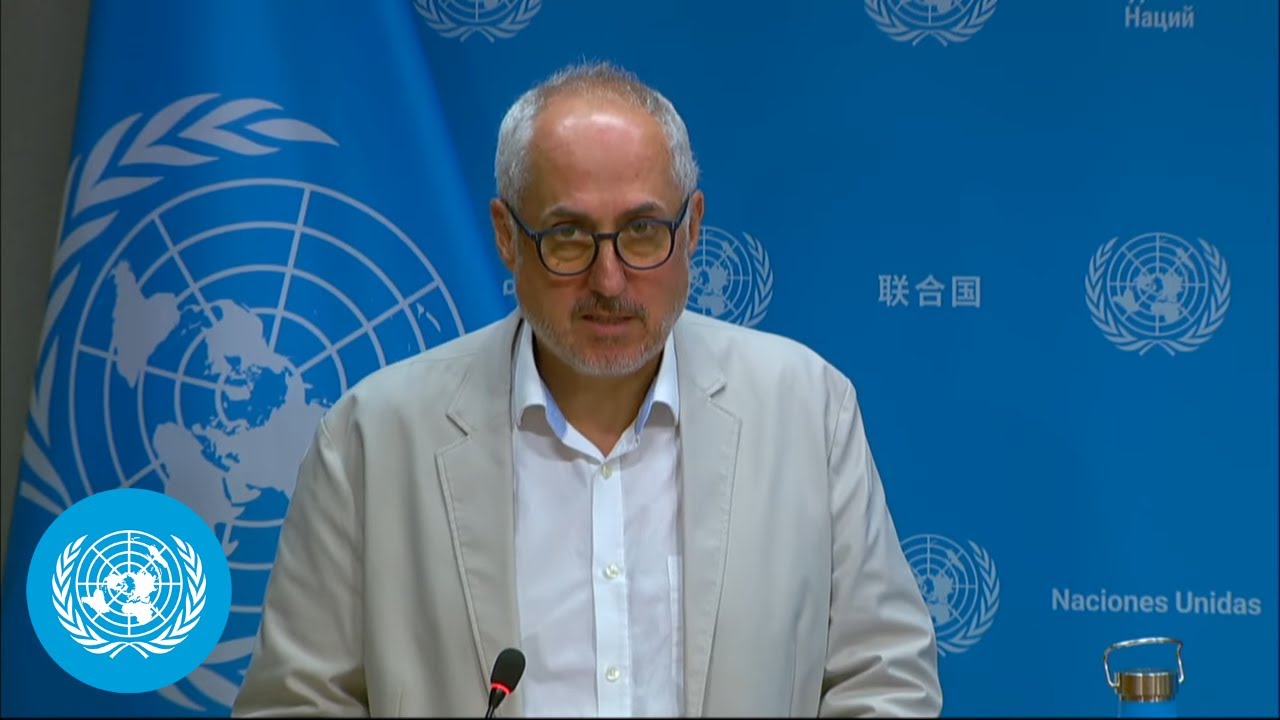
Noon Briefing by Stéphane Dujarric, Spokesperson for the Secretary-General.
Highlights:
Journalists/Gaza
Occupied Palestinian Territory
Security Council/Gaza
Lebanon / Israel
Sudan
Democratic Republic of the Congo
Ukraine
Armenia/Azerbaijan
Afghanistan
Security Council
Steelpan Day
Guest Tomorrow
JOURNALISTS/GAZA
The Secretary-General condemns the killing of six Palestinian journalists in the Israeli strike in Gaza City on 10 August. These latest killings highlight the extreme risks journalists continue to face when covering the ongoing war. The Secretary-General calls for an independent and impartial investigation into these latest killings.
At least 242 Palestinian journalists have been killed in Gaza since the war began. The Secretary-General underscores that journalists and media workers must be respected and protected and allowed to carry out their work free from intimidation or harm.
OCCUPIED PALESTINIAN TERRITORY
OCHA reports that in an especially disturbing update today, the Ministry of Health confirmed that the number of children who have died from malnutrition [since October 2023] has now surpassed 100.
The World Food Programme said that more than a third of the population is not eating for days at a time and acute malnutrition is spiking with over 300,000 children at severe risk. Additionally, the UN Food and Agriculture Organization warned last week that a mere 1.5 per cent of cropland in Gaza is both accessible and undamaged, signaling a near-total collapse of the local food system.
Yesterday, we and partners collected food and hygiene kits from the Kerem Shalom/Karem Abu Salem crossing.
However, supplies were offloaded directly from these trucks [presumably by desperate people] before reaching their destination given the extreme desperation pervasive in Gaza today.
People need a predictable lifeline, not a trickle of aid. WFP says that just to cover basic humanitarian food assistance needs, more than 62,000 metric tons are required to enter Gaza every month, and so far, humanitarians have not been permitted to bring in enough supplies to support the survival of Palestinians there.
We can confirm that we collected fuel from the Kerem Shalom crossing yesterday. The Israeli authorities are allowing, on average, the entry of about 150,000 litres of fuel daily. However, this remains far below the minimum required to sustain life-saving operations.
For example, the Palestine Civil Defense warned yesterday that more than half of their ambulances have stopped operating across Gaza, due to the shortage of fuel and spare parts.
Israeli authorities must allow aid to enter through all crossings and via all available corridors so that we can deliver, at scale in a safe and dignified manner, to reach the most vulnerable, including women, children and older people.
A ceasefire is urgently needed to save lives. This would allow and speed up delivery of food for the hungry, health services for the sick and wounded, and shelter materials for displaced people, who have been forced to flee repeatedly since the onset of hostilities and that would also allow for the release of the remaining hostages who are being held in Gaza.
Full Highlights: https://www.un.org/sg/en/content/noon-briefing-highlight?date%5Bvalue%5D%5Bdate%5D=11%20August%202025
Briefing by Ramesh Rajasingham, Director of Coordination, United Nations Office for the Coordination of Humanitarian Affairs (OCHA), on the situation in the Middle East, including the Palestinian question – Security Council, 9975th meeting.
“Mr. President,
The suffering endured by Palestinians and Israelis over the past 22 months has been nothing short of soul-searing.
Our shared humanity demands that this catastrophe is brought to an immediate end.
Mr. President,
I will address three matters today:
First, I am extremely concerned over the prolonged conflict and further human toll that is likely to unfold following the Government of Israel’s decision to expand military operations in Gaza.
This marks a grave escalation in a conflict that has already inflicted unimaginable suffering.
For over 670 days, Palestinians in Gaza have endured daily killings and injuries. More than 61,000 people have been killed, including over 18,000 children, and 151,000 have been injured, according to Gaza’s Ministry of Health.
Meanwhile, 50 hostages are believed to remain in Gaza – with those still alive held in unthinkably inhumane and appalling conditions.
Thousands of Palestinians, including women and children, remain in Israeli detention – many held without charge or trial, or the required safeguards.
A grim milestone has also been crossed in the humanitarian community: Over 500 humanitarian workers have been killed in Gaza since hostilities escalated, including at least 167 women.
Smear campaigns against aid operations continue unabated. As we approach World Humanitarian Day, we must insist on the protection of all aid workers.
Mr. President,
Second, humanitarian conditions are beyond horrific. We have frankly run out of words to describe it. Whatever lifelines remain are collapsing under the weight of sustained hostilities, forced displacement and insufficient levels of life-saving aid.
Hunger-related deaths are rising, especially among children with severe malnutrition. Since the escalation of hostilities in October 2023, the health authorities in Gaza have documented the deaths of 98 children from severe acute malnutrition – 37 since 1 July. This is no longer a looming hunger crisis – this is starvation.
Each day brings harrowing images of men, women and children killed and injured while desperately seeking assistance. The situation is untenable, especially for older people, people with disabilities, children without parental care, and widowed women.
Gaza lies in ruins. Almost everyone in Gaza has been forcibly displaced at some point over the past two years. Palestinians in Gaza have been forced into an area that amounts to less than 14 per cent of the territory, in areas that are not safe and are lacking basic services or shelter. Further expansion of military operations will make these conditions even worse.
Families in Gaza are living in insecure, overcrowded conditions, many without shelter. Eleven per cent of some 6,500 households surveyed recently by humanitarian partners were reported to be living out in the open. No organization – UN or otherwise – has been able to bring shelter supplies into Gaza since 2 March. The lack of adequate shelter is particularly worrisome as we know that winter is soon upon us.
Given the scale of repeated displacement and current living conditions, preventing the entry of emergency shelter supplies defies the obligation to allow humanitarian relief for the population in need.
The health system effectively is collapsed. Hospitals are not protected, doctors have been killed or detained, and facilities are working without sufficient medical supplies.
Water and sanitation infrastructure are failing, and social cohesion is unraveling.
How are the people in Gaza expected to survive in these conditions?
Mr. President,
My third point: The recent military ‘tactical pauses’ have enabled some positive changes in humanitarian operations.
Limited amounts of fuel have been allowed in, and on 5 August, Israeli authorities approved a mechanism for the gradual resumption of controlled commercial goods into Gaza. This has resulted in different types of food returning to markets and a slight decrease in some prices.
Our teams on the ground caution us that despite these developments, meaningful change for the population remains elusive, as humanitarian conditions remain largely unchanged” (…). [Excerpt]
For all UN official languages, please visit: https://webtv.un.org/en/asset/k1v/k1vogrf1bv
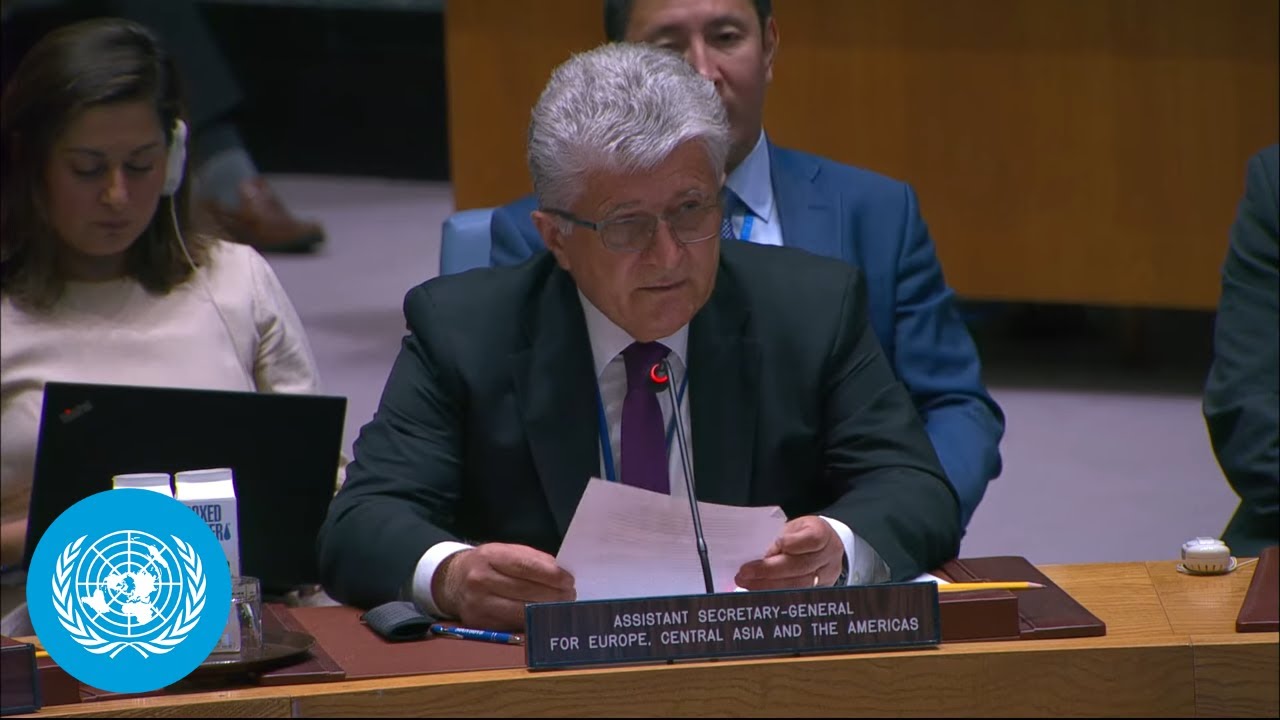
Briefing by Miroslav Jenča, Assistant Secretary-General for Europe, Central Asia and Americas, Departments of Political and Peacebuilding Affairs and Peace Operations, on the situation in the Middle East, including the Palestinian question – Security Council, 9975th meeting.
“Mr. President, Excellencies,
I brief you for the second time this week as the situation in Gaza continues to deteriorate, placing over two million Palestinians in even greater peril and further endangering the lives of the remaining hostages.
The latest decision by the Government of Israel risks igniting another horrific chapter in this conflict, with potential consequences beyond Israel and the Occupied Palestinian Territory.
On 8 August, Israel’s Security Cabinet reportedly approved Prime Minister Netanyahu’s proposed plan for “defeating Hamas” and endorsed five “principles for ending the war”: the disarmament of Hamas, the release of all hostages; the Gaza Strip’s demilitarization; Israeli security control over the Strip; and the establishment of an alternative civilian administration that is neither Hamas nor the Palestinian Authority.
The Prime Minister’s office also announced that the Israel Defence Forces (IDF) will prepare to take control of Gaza City, while providing humanitarian assistance outside combat zones. The IDF said that it is fully mobilized and preparing for an expanded military operation in Gaza.
This is yet another dangerous escalation of the conflict.
For now, we have limited official details of Israel’s military plans.
However, according to Israeli media reports, the government foresees the displacement of all civilians from Gaza City, by 7 October 2025 affecting some 800,000 people, many of them previously displaced. Reports indicate that the IDF would then surround the city for three months. This would then reportedly be followed by an additional two months to seize control of central Gaza’s camps and clear the entire area of Palestinian armed groups.
Mr. President,
We are already witnessing a humanitarian catastrophe of unimaginable scale in Gaza. Director Ramesh Rajasingham from OCHA will shortly provide you with the latest updates in this regard.
If these plans are implemented, they will likely trigger another calamity in Gaza, reverberating across the region and causing further forced displacement, killings, and destruction – compounding the unbearable suffering of the population. Last night thousands of protesters gathered in Tel Aviv and cities across Israel to call for a ceasefire and hostage release deal.
The UN has been unequivocal: the only way to stop the immense human suffering in Gaza is through a full, immediate, and permanent ceasefire. All hostages must be released immediately and unconditionally. Israel must comply with its obligations under international humanitarian law, allowing rapid, safe, unimpeded, and large-scale delivery of humanitarian aid to the population. Civilians – including humanitarian workers, and those seeking aid – must be protected.
Everyone, has the right to life, liberty, and security. Palestinians must be able to return to their homes. In its 19 July 2024 Advisory Opinion, the International Court of Justice stated that “Israel, as the occupying Power, has the obligation not to impede the Palestinian people from exercising its right to self-determination, including its right to an independent and sovereign State, over the entirety of the Occupied Palestinian Territory”.
Mr. President,
As I emphasized to this Council a few days ago, there is no military solution to the armed conflict in Gaza or the broader Israeli-Palestinian conflict. There will be no sustainable solution without an end to Israel’s unlawful occupation and the achievement of a viable two-State solution. Gaza is, and must remain, an integral part of a Palestinian State.
We must plan for Gaza’s future as we address the urgency of developments on the ground today.
We must establish political and security frameworks that can relieve the humanitarian catastrophe in Gaza, start early recovery and reconstruction, address the legitimate security concerns of Israelis and Palestinians, and forge a path for the realization of a viable two-State solution. In this regard I urge the immediate implementation of the political, humanitarian and security steps outlined in the New York Declaration on the Peaceful Settlement of the Question of Palestine and the Implementation of the Two-State Solution” (…). [Excerpt]
For all UN official languages, please visit: https://webtv.un.org/en/asset/k1r/k1rrwuxuqi
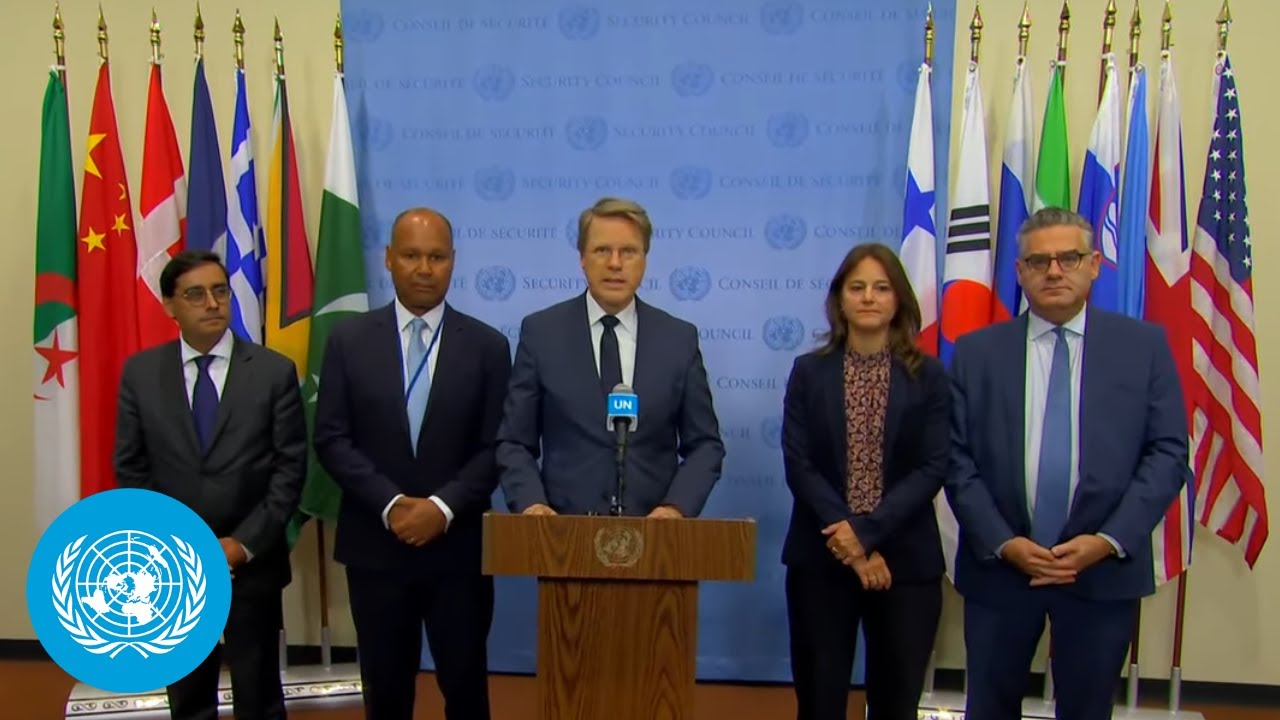
Comments to the media by Samuel Žbogar, Permanent Representative of Slovenia to the United Nations, on behalf of the E5 (United Kingdom, Denmark, France, Greece, and Slovenia), on the situation in Gaza.
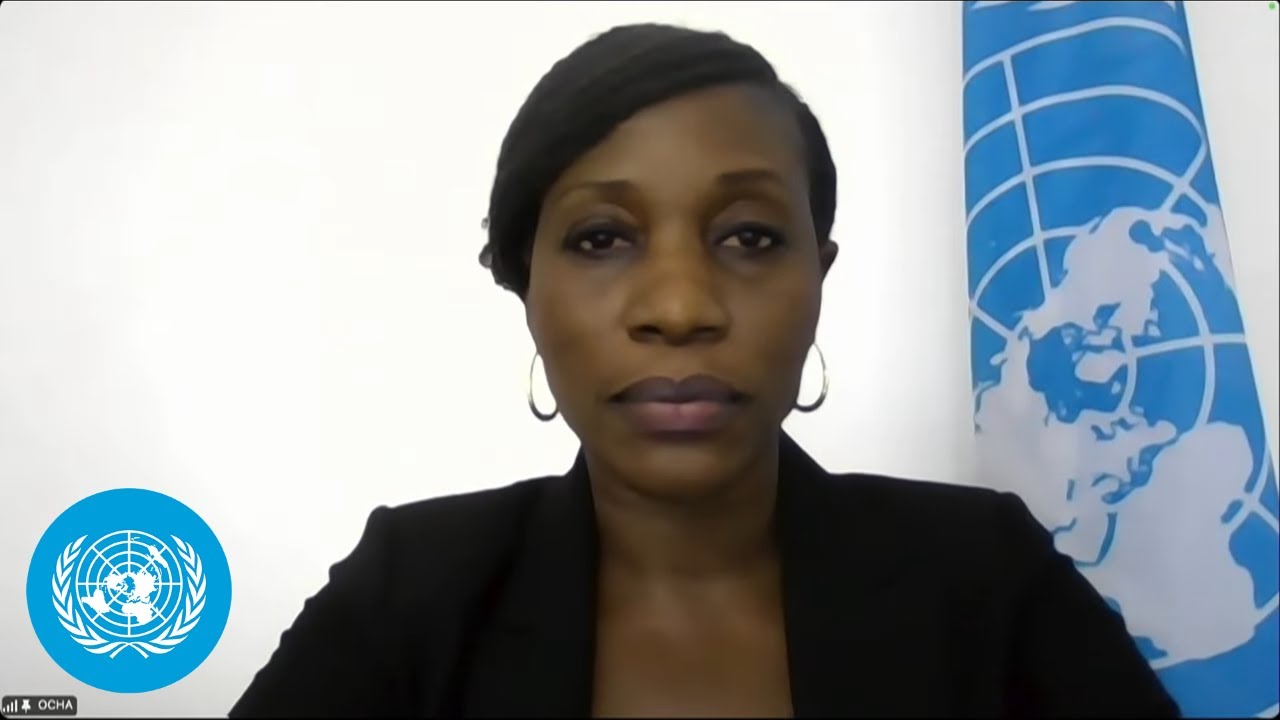
Briefing reporters virtually from Sudan, OCHA’s Director of Operations and Advocacy, Edem Wosornu, today (8 Aug) said, “what I saw in Khartoum was devastating. It was a decimated city, a Khartoum that was once buzzing with life, almost a ghost town, a Khartoum that is utterly destroyed.”
Wosornu described visiting OCHA’s offices in Khartoum and noted the team was not able to enter the premises “because of unexploded ordnance, explosive remnants of war not cleared by, of course, the United Nations by an action service who’ve been clearing different offices across the city.”
She said, “I have never seen anything like this before in my almost quarter of a century service to the United Nations and to humanitarian action, in several difficult, war-torn contexts. This is the worst I’ve seen it.”
On funding, the humanitarian official said, “what we’re asking for is basically 55 cents per day per person in Sudan. And that’s it. Right. So, where we have access, we are able to assist. Where we have safety and security assurances, we’re able to assist. Where we have enough supplies and funding, we’re able to assist.”
She said Sudan’s is “the largest displaced crisis, the largest health crisis, the largest number of people in need.”
Wosornu said, “wwe’ve received 23 percent of what we’re asking for. We’ve received almost a billion and we’ve been able to assist some 13 million people. So, you see, when we get the assistance in, when we get the flexible funding, we are able to mobilize. Certainly, the World Food Program, UNICEF, World Health Organization, UNFPA, IOM, all our UN agencies, funds and programs, as well as, of course, our international and national NGOs able to mobilize.”
Since April 2023, Sudan has faced an unprecedented humanitarian crisis driven by the ongoing conflict between the Sudanese Armed Forces and the Rapid Support Forces. Civilians continue to bear the brunt of violence, with nearly 9 million people displaced internally, making Sudan the world’s largest internal displacement crisis. An additional over 3 million people have fled to neighbouring countries.
Nearly two thirds of Sudan’s population is in dire need of humanitarian assistance, including 16 million children. Acute food insecurity has reached historic levels, with famine conditions confirmed in various parts of the country and millions at risk of starvation. Meanwhile, disease outbreaks are compounding the crisis, alongside worsening climate shocks.
Women and girls are particularly vulnerable, facing heightened risks of conflict-related sexual violence.
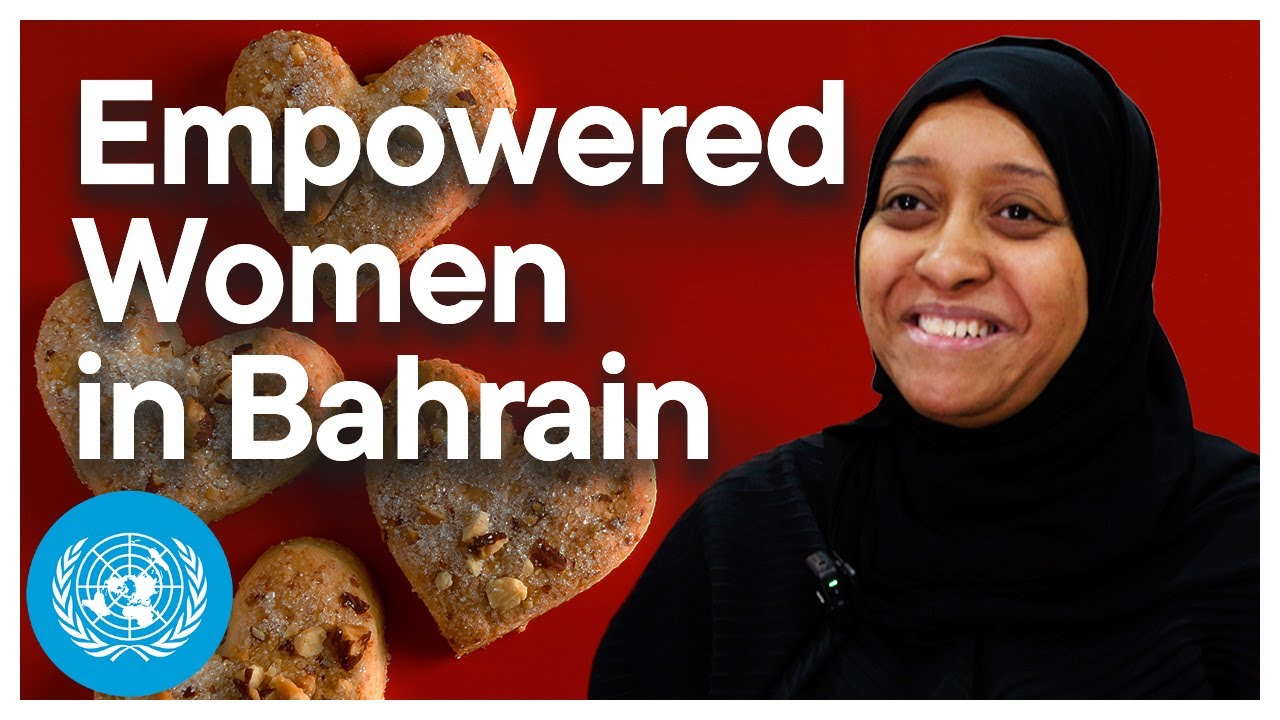
Eman Fareed and Noora Khalid Musaifer receive trainings to become successful entrepreneurs in Bahrain by Kaaf Humanitarian, a non-profit organization launched in 2021. The organization aims to empower individuals and communities for self-reliance and to contribute to form a humanitarian, integrated, and development-oriented society.
Kaaf Humanitarian was among the exhibitors at the 5th World Entrepreneurship Investment Forum (WEIF), held in Manama, Bahrain, in 2024 and facilitated by the UN Industrial Development Organization (UNIDO), ITPO Bahrain.
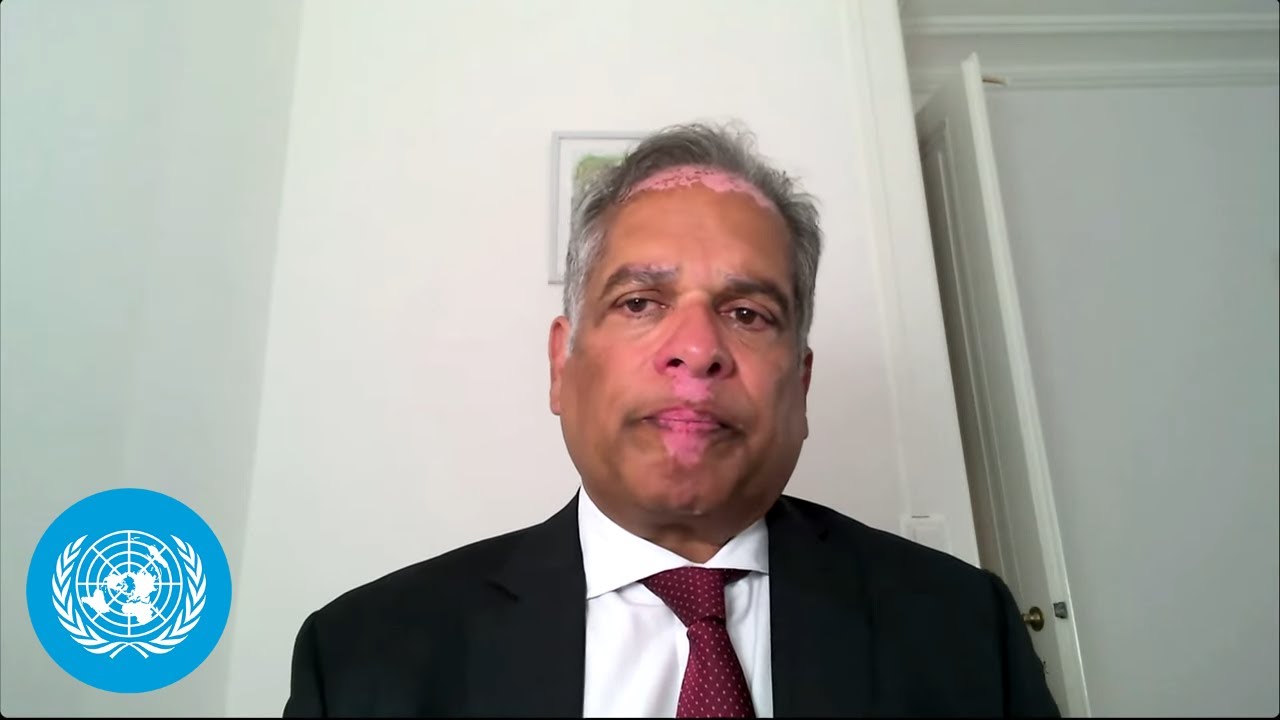
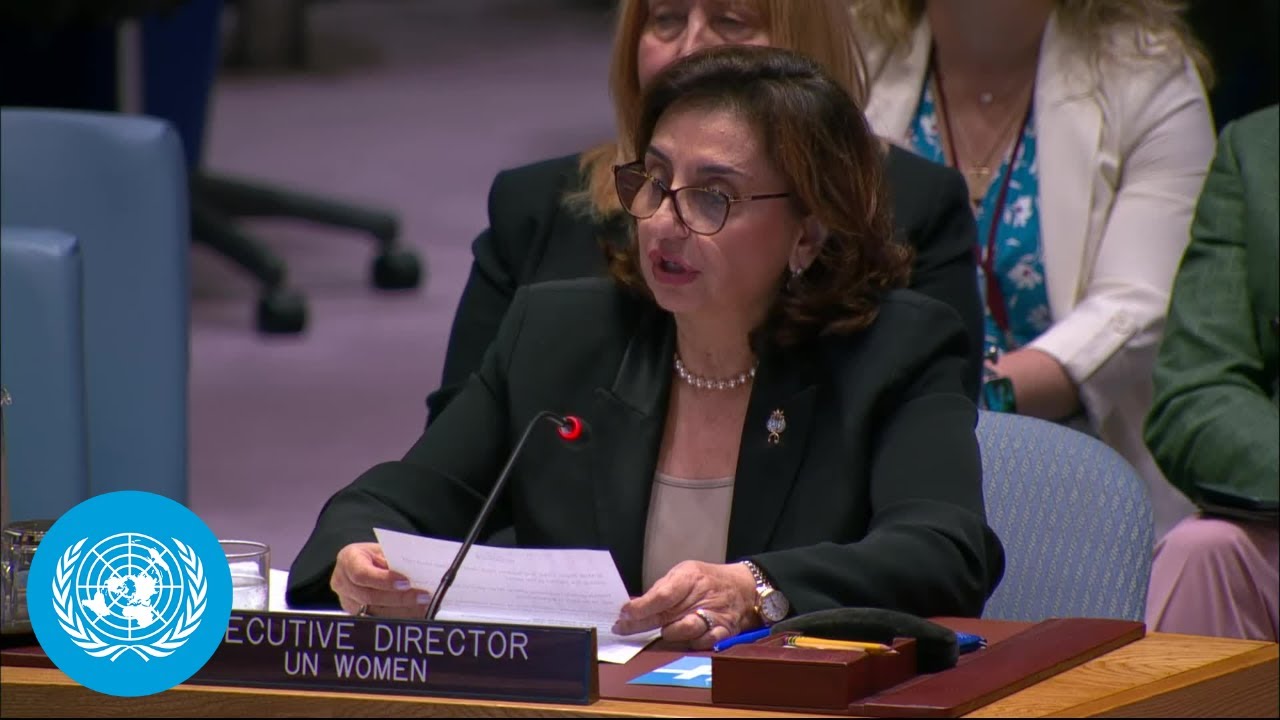
The UN Under-Secretary-General and UN Women Executive Director, Sima Bahous, today (7 Aug) called on Council members to urge governments and regional bodies to ensure women’s full, equal, meaningful, and safe participation in transitional governments and peace and security efforts.
She also called on Members “to urge governments and regional bodies to ensure women’s full, equal, meaningful, and safe participation in transitional governments and peace and security efforts; implement affirmative action laws, and ensure a safe, open space for civil society; invest at least 15 percent of violent extremism prevention funding in gender equality, and ask for engendered updates from sanctions and counterterrorism bodies; support the rapid deployment of Women Protection Advisors to UNOWAS to monitor sexual violence trends, engage with parties to conflict, and secure time-bound commitments; and, even in a challenging financial landscape, I urge international partners to provide direct, flexible, long-term funding to women-led and women’s rights organizations through mechanisms such as the Women’s Peace and Humanitarian Fund and the Peacebuilding Fund.”
Before the meeting, Panama’s Ambassador Eloy Alfaro, who is presiding the Council during the month of August, read a statement on behalf of the signatories of Shared Commitments on Women, Peace and Security (WPS).
He said, “this region is facing multiple interest acting challenges, the erosion of democratic governance and of the institutional regional architecture. Limited economic opportunity and water and food insecurity have led to persisting transnational crime and forced displacement. These issues, exacerbated by the growing threats of terrorism and the effects of climate change, pose urgent and significant threats to international peace and security, and disproportionately impact women and girls.”
Also speaking to reporters after the meeting, Sierra Leone’s Ambassador Michael Imran Kanu, speaking on behalf of the Permanent Representatives of ECOWAS on Combatting Terrorism through Regional Leadership and Multilateral Cooperation. Kanu said, “we strongly condemn all acts of terrorism and expressed grave concern over the use of unmanned aerial systems and aircraft capabilities and improvised explosive devices to target civilians and civilian infrastructure. The deliberate targeting of children, the equipment and radicalization of youth, attacks on schools and healthcare facilities, and restrictions on humanitarian access have compounded human suffering. This gets further aggravated by ethnic and communal tensions, particularly between herders and farmers, and exacerbated by the adverse effects of climate change, which perpetuate cycles of violence.”
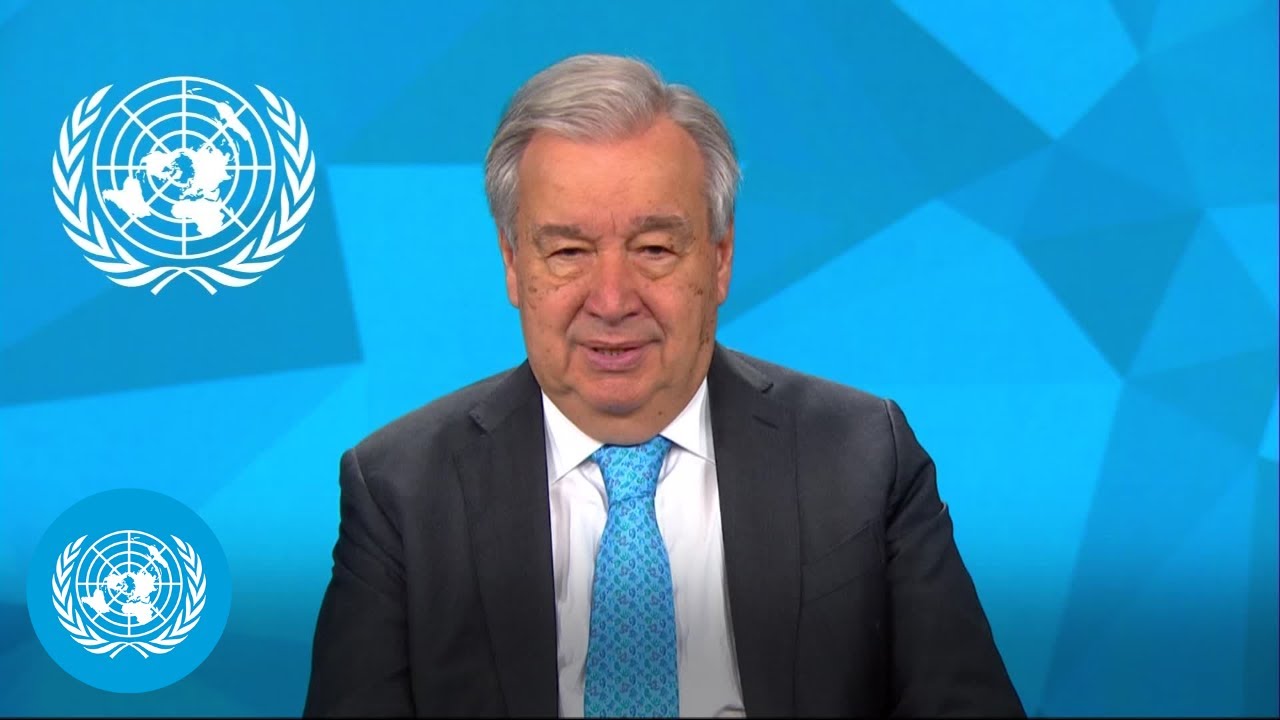
Video message by António Guterres, Secretary-General of the United Nations, on the International Day of the World’s Indigenous Peoples 2025.
“Indigenous Peoples are guardians of ancient knowledge, defenders of cultural heritage, stewards of biodiversity, and essential to our shared future.
This year’s theme focuses on the risks and rewards of Artificial Intelligence for Indigenous Peoples.
AI can help preserve endangered languages and oral histories, map ancestral lands, and amplify Indigenous wisdom to fight climate change.
But without the meaningful participation of Indigenous Peoples, these same technologies risk perpetuating old patterns of exclusion, misrepresenting cultures, and violating fundamental rights.
We must ensure AI is developed and governed in ways that are inclusive, ethical, and just.
That means removing barriers to new technologies for Indigenous Peoples, protecting their data sovereignty and intellectual property rights, and supporting their meaningful inclusion in the application of AI.
On this important day, let’s build a future where technology supports cultural preservation and Indigenous knowledge, protects rights and advances dignity – for today and generations to come”.
More info: https://www.un.org/en/observances/indigenous-day
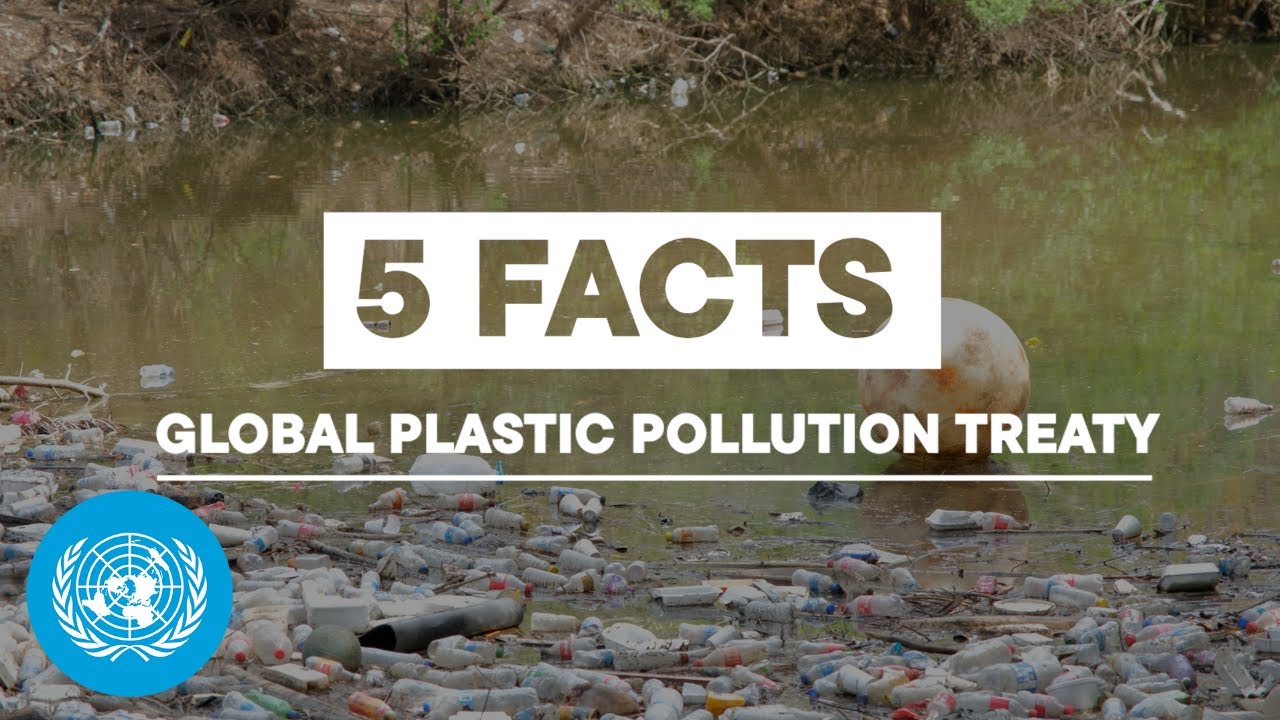
Plastic pollution poses a serious threat to human health and the environment, with over 430 million tonnes of plastic produced every year, two-thirds of which soon become waste. In 2022, UN Member States came together at the UN Environment Assembly and made a historic commitment to begin developing an international legally binding treaty to end plastic pollution. Negotiations to finalize a global agreement are taking place in Geneva from 5 to 14 August 2025.
Noon briefing by Stephanie Tremblay, Associate Spokesperson for the Secretary-General
Highlights:
Secretary-General/Gaza
Occupied Palestinian Territory
Ukraine
Mozambique
Democratic Republic of the Congo
Third United nations Conference on Landlocked Developing Countries
Senior Personnel Appointment
Nagasaki Peace Memorial
Indigenous Peoples
Financial Contribution
SECRETARY-GENERAL/GAZA
The Secretary-General is gravely alarmed by the decision of the Israeli Government to ”take control of Gaza City”. This decision marks a dangerous escalation and risks deepening the already catastrophic consequences for millions of Palestinians, and could further endanger more lives, including the lives of the remaining hostages.
Palestinians in Gaza continue to endure a humanitarian catastrophe of horrific proportions. The Secretary-General warns that this further escalation will result in additional forced displacement, killings and massive destruction, compounding the unimaginable suffering of the Palestinian population in Gaza.
The Secretary-General reiterates his urgent appeal for a permanent ceasefire, unimpeded humanitarian access across Gaza, and for the immediate and unconditional release of all hostages.
The Secretary-General once again strongly urges the Government of Israel to abide by its obligations under international law. He recalls that the International Court of Justice, in its Advisory Opinion of 19 July 2024, declared that the State of Israel is under an obligation to cease immediately all new settlement activities, and to evacuate all settlers from the Occupied Palestinian Territory, and to bring to an end its unlawful presence in the Occupied Palestinian Territory - which encompasses Gaza and the West Bank, including East Jerusalem – as rapidly as possible.
There will be no sustainable solution to this conflict without an end to this unlawful occupation and the achievement of a viable two-State solution. Gaza is and must remain an integral part of a Palestinian State.
OCCUPIED PALESTINIAN TERRITORY
The Office for the Coordination of Humanitarian Affairs (OCHA) reports that civilians are facing mounting challenges amid ongoing hostilities, displacement and further destruction. As strikes continue across Gaza, people report that even the most basic daily tasks – such as finding water or food – have become extremely difficult.
The devastating convergence of a hunger crisis, a collapsing healthcare system, widespread destruction of critical infrastructure and nearly two years of war is having a catastrophic toll on people, particularly on the most vulnerable.
Aid entering into Gaza remains far below the minimum required to meet people’s immense needs, as we have been saying here almost in a daily basis now. The UN and its humanitarian partners continue to do everything possible to bring assistance inside Gaza.
However, missions continue to face significant delays and other impediments that prevent us from delivering aid at scale. Yesterday, another mission to pick up supplies took 18 hours to complete.
Since the entry of some commercial trucks into Gaza in the past few days, our partners reported a minor reduction in commodities prices as of yesterday. Most food items remain scarce in the market and sold at exorbitant prices.
Airdrops landing in different parts of Gaza continue to reportedly kill and injure people, including at least one child that was reportedly killed yesterday in Khan Younis.
As we have said before, the UN welcomes all efforts to provide aid to the people in Gaza who desperately need it, but we reiterate that the most efficient way to bring in supplies is by road.
It is imperative that aid is allowed to enter through all crossings and through all available corridors so that we can deliver it at scale in a safe and dignified manner through our community-based mechanisms, reaching the most vulnerable.
Meanwhile, a severe heatwave is sweeping the region as people continue to struggle with access to water. In the southern part of the Gaza Strip, our partners working on water, sanitation and hygiene reported that yesterday, the South Gaza Desalination Plant’s electricity line was damaged for the third time in the past seven days. As a result, the plant is currently operating at less than 14 per cent of its capacity.
OCHA continues to stress the urgency of a permanent ceasefire, to provide adequate assistance and aid to the desperate population in Gaza and to call for the immediate and unconditional release of hostages.
Full Highlights:
https://www.un.org/sg/en/content/noon-briefing-highlight?date%5Bvalue%5D%5Bdate%5D=08%20August%202025
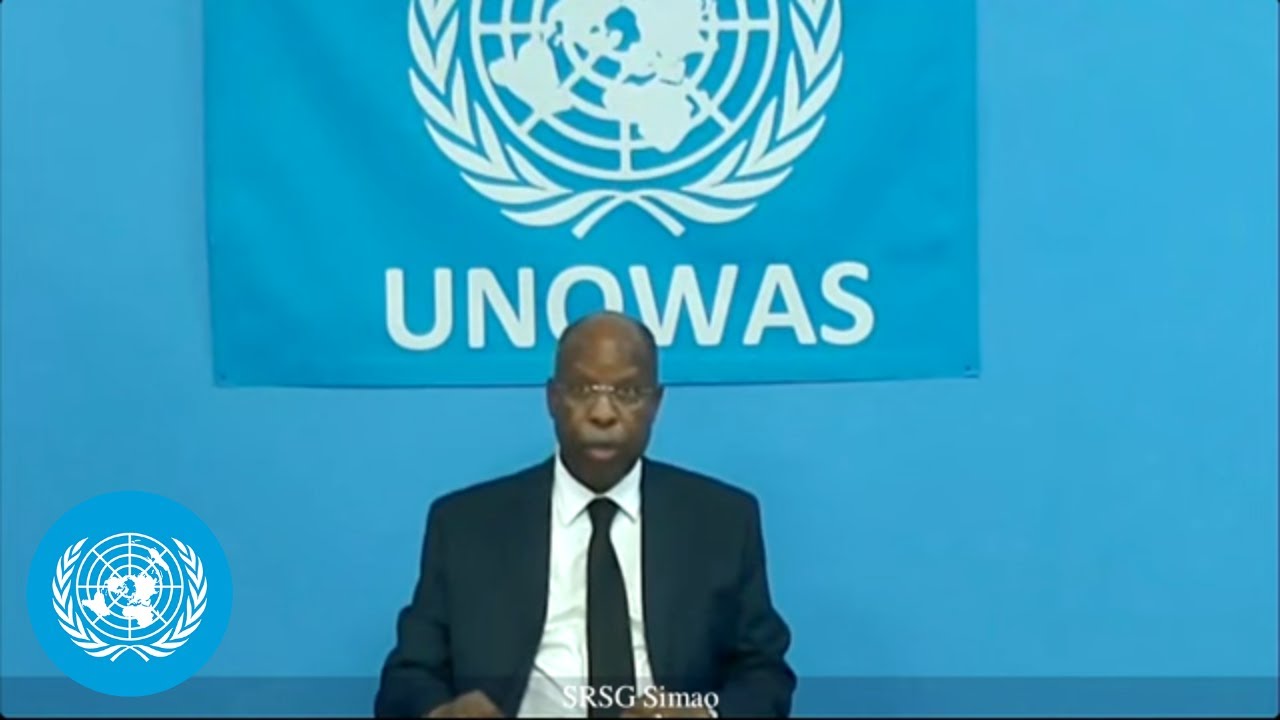
Briefing by Leonardo Santos Simão, Special Representative of the Secretary-General and Head of the United Nations Office for West Africa and the Sahel, on peace consolidation in West Africa.
The head of the UN Office for West Africa and the Sahel, Leonardo Santos Simão, today (7 Aug) told the Security Council that terrorist activity in the region “has surged in scale, complexity and sophistication, including through the use of drones, alternative internet communication, and increasing collusion with transnational organized crime,” and said this “growing insecurity compounds an already dire humanitarian situation.”
Simão said maritime security “remains a concern and requires a coordinated response,” and stressed that “young people are increasingly prime targets for recruitment by terrorist and violent extremist groups.”
He noted that “only 14 percent of funding for the 2025 Humanitarian Needs and Response Plan for the Sahel region has been received,” and said, “resource mobilization is urgently needed to save the lives of millions of people at risk.”
Cookies are used on our website to make your use as comfortable as possible. These so-called essential cookies are stored in your browser because they are essential for the basic functions of the website.
We also use third-party cookies for online advertising on our sites. These cookies are only stored in your browser with your consent. By clicking here you agree to the use of these additional cookies or you can reject them:
This website uses cookies to improve your experience while you navigate through the website. Out of these, the cookies that are categorized as necessary are stored on your browser as they are essential for the working of basic functionalities of the website. We also use third-party cookies that help us analyze and understand how you use this website. These cookies will be stored in your browser only with your consent. You also have the option to opt-out of these cookies. But opting out of some of these cookies may affect your browsing experience.
Necessary cookies are absolutely essential for the website to function properly. These cookies ensure basic functionalities and security features of the website, anonymously.
Cookie
Duration
Description
cookielawinfo-checkbox-analytics
11 months
This cookie is set by GDPR Cookie Consent plugin. The cookie is used to store the user consent for the cookies in the category "Analytics".
cookielawinfo-checkbox-functional
11 months
The cookie is set by GDPR cookie consent to record the user consent for the cookies in the category "Functional".
cookielawinfo-checkbox-necessary
11 months
This cookie is set by GDPR Cookie Consent plugin. The cookies is used to store the user consent for the cookies in the category "Necessary".
cookielawinfo-checkbox-others
11 months
This cookie is set by GDPR Cookie Consent plugin. The cookie is used to store the user consent for the cookies in the category "Other.
cookielawinfo-checkbox-performance
11 months
This cookie is set by GDPR Cookie Consent plugin. The cookie is used to store the user consent for the cookies in the category "Performance".
viewed_cookie_policy
11 months
The cookie is set by the GDPR Cookie Consent plugin and is used to store whether or not user has consented to the use of cookies. It does not store any personal data.
Functional cookies help to perform certain functionalities like sharing the content of the website on social media platforms, collect feedbacks, and other third-party features.
Performance cookies are used to understand and analyze the key performance indexes of the website which helps in delivering a better user experience for the visitors.
Analytical cookies are used to understand how visitors interact with the website. These cookies help provide information on metrics the number of visitors, bounce rate, traffic source, etc.
Advertisement cookies are used to provide visitors with relevant ads and marketing campaigns. These cookies track visitors across websites and collect information to provide customized ads.