@unitednations
▶ https://youtu.be/w4kyNmB3CyQ
Working for peace in the DR Congo, with Vivian van de Perre | UN ‘Awake at Night’ podcast tease
—
Vivian van de Perre’s calling is to help nations transition from conflict to peace. Now the deputy head of peacekeeping in the Democratic Republic of the Congo, she leads a life-saving operation in the rebel-held city of Goma.
“It’s tragic and it’s unimaginable, but at the same time, people live their lives and they do the best they can, and they remain generous and warm, despite the circumstances that they live in. You go to these places and you see the worst and you see the best, and it’s all in one package, and it is just something that really, really touches you. It’s not like a regular job.”
A recent peace accord has raised hopes of an end to the violence that has plagued eastern DRC for the past three decades. In this episode, recorded before the peace agreement, Vivian van de Perre reflects on the impact of funding cuts on active war zones, on peacekeeping as a delicate balancing act, and shares why she falls for every place she serves.
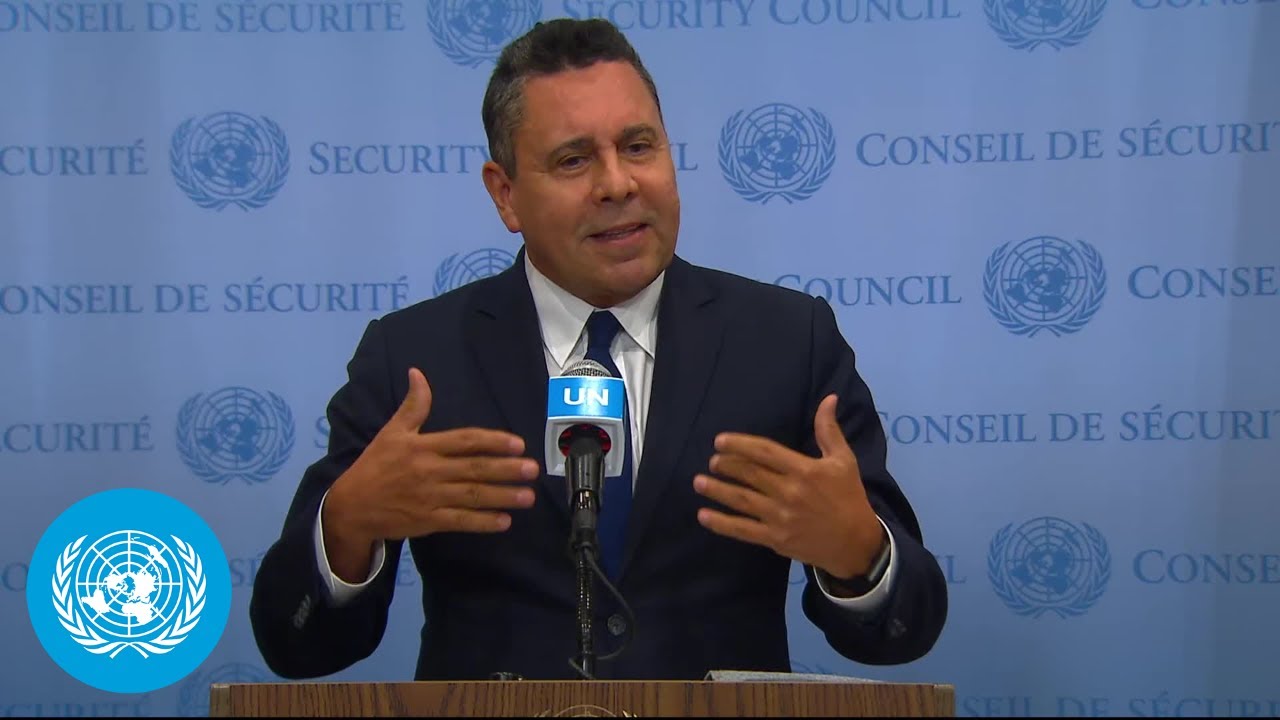
Remarks by Ambassador Samuel Moncada, Permanent Representative of the Bolivarian Republic of Venezuela to the United Nations, at the Security Council Stakeout on the United States.
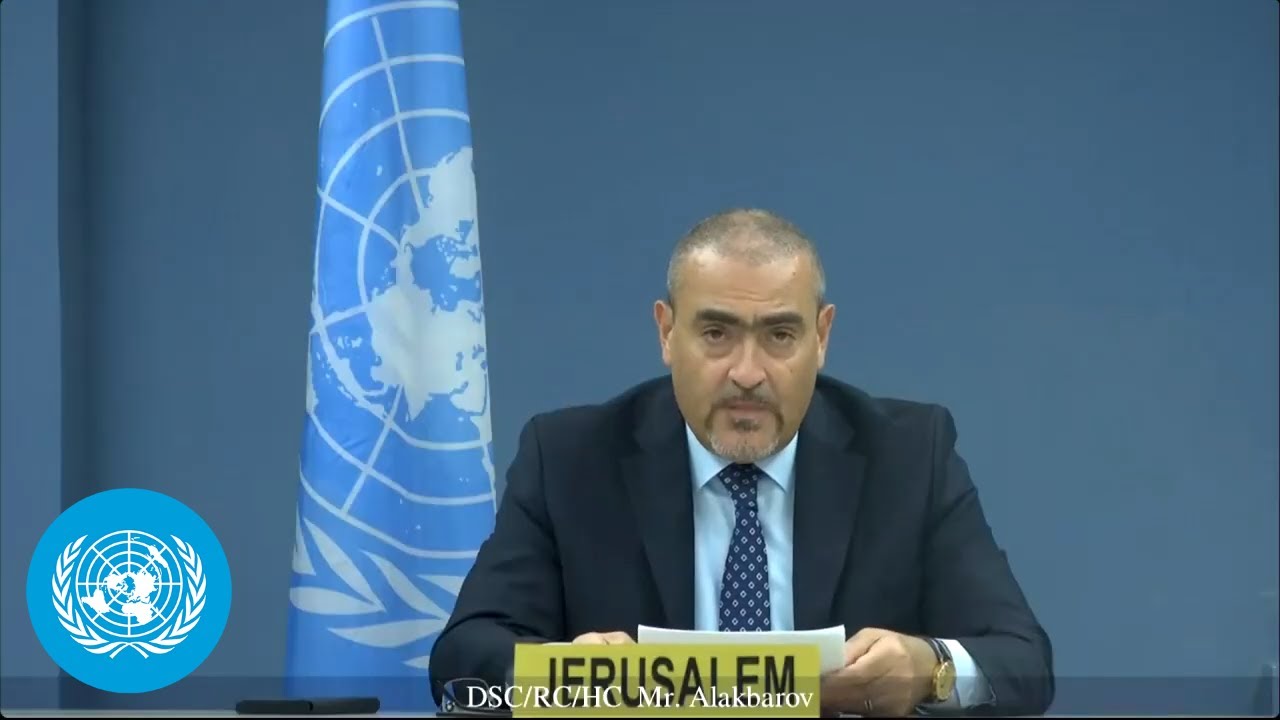
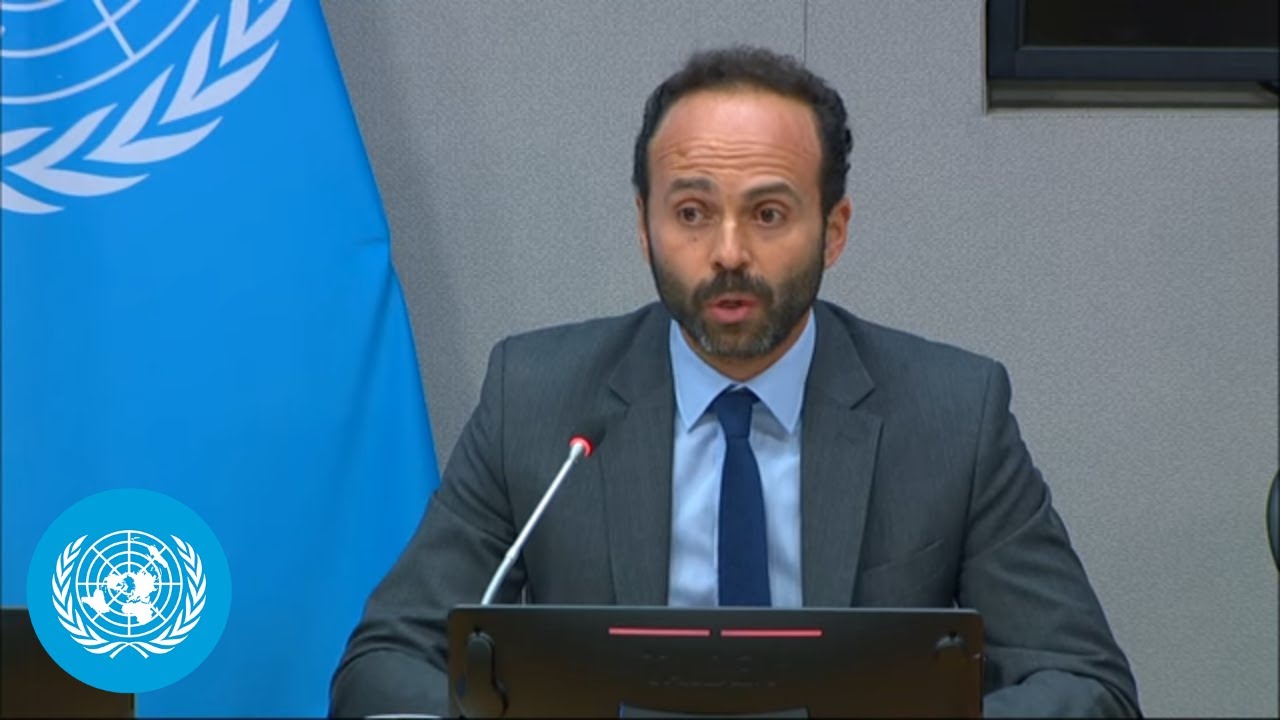
Briefing by Ramiz Alakbarov, Deputy Special Coordinator and Resident Coordinator, Office of the United Nations Special Coordinator for the Middle East Peace Process (UNSCO), on the situation in the Middle East.
——————————————-
The Security Council also heard calls for investigations into recent deadly strikes. Ramiz Alakbarov, UN Deputy Special Coordinator for the Middle East Peace Process, said an Israeli airstrike on Aug. 10 killed six journalists in Gaza City. He noted the Israel Defense Forces said they were targeting Al Jazeera correspondent Anas al-Sharif, who they described as the head of a Hamas cell. He added that on Aug. 25, Israeli strikes on Nasser Hospital in Khan Younis killed at least 20 civilians, including medical staff and journalists. “I reiterate the Secretary-General’s call for an independent and impartial investigation into these killings,” Alakbarov said.
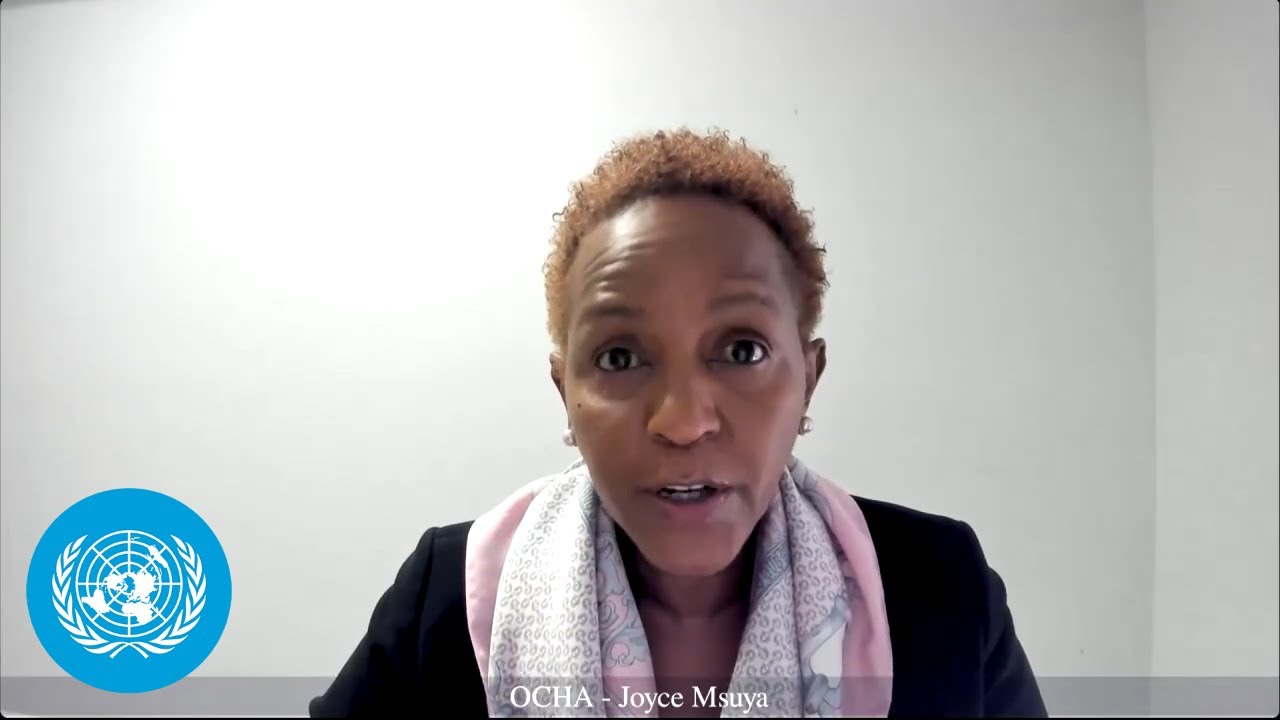
Briefing by Joyce Msuya, Assistant Secretary-General for Humanitarian Affairs and Deputy Emergency Relief Coordinator, on the situation in the Middle East.
———————————————–
“Over half a million people currently face starvation, destitution and death,” a senior UN humanitarian official told the Security Council, warning that this number in Gaza could climb above 640,000 by the end of September.
Joyce Msuya, the UN Deputy Emergency Relief Coordinator also added that at least 132,000 children under five are expected to suffer acute malnutrition between now and mid-2026, with more than 43,000 at risk of death.
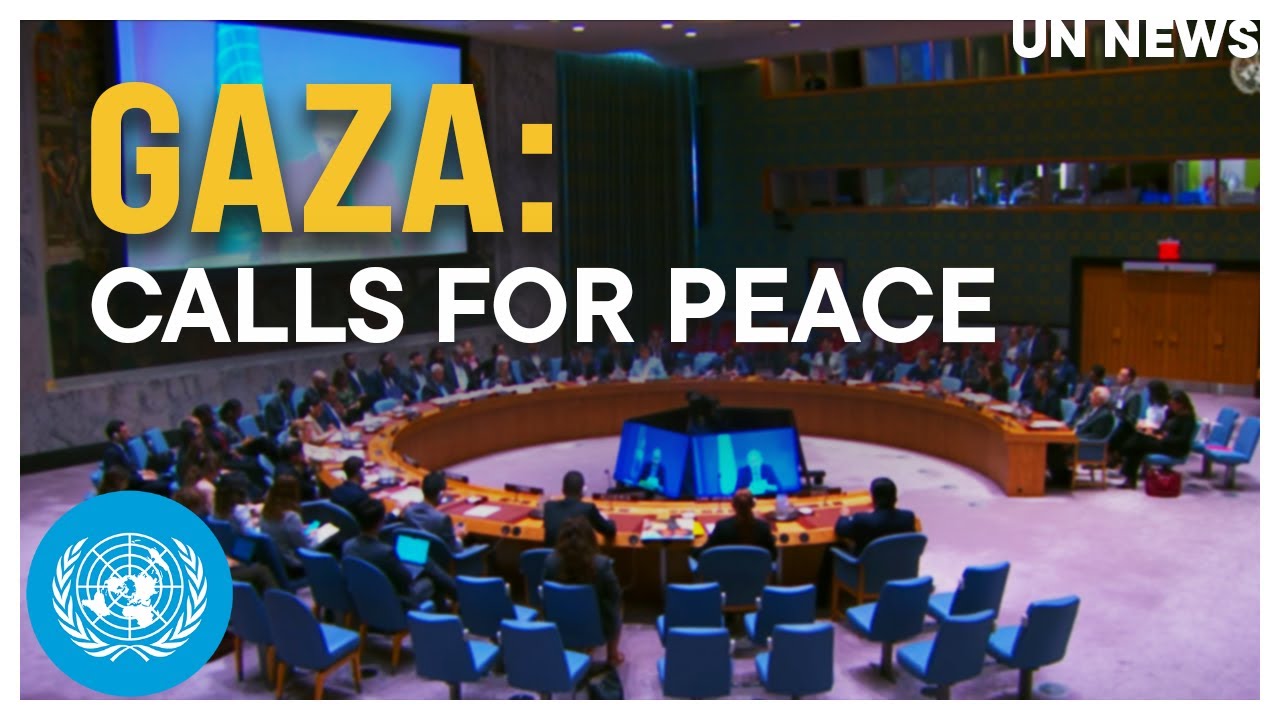
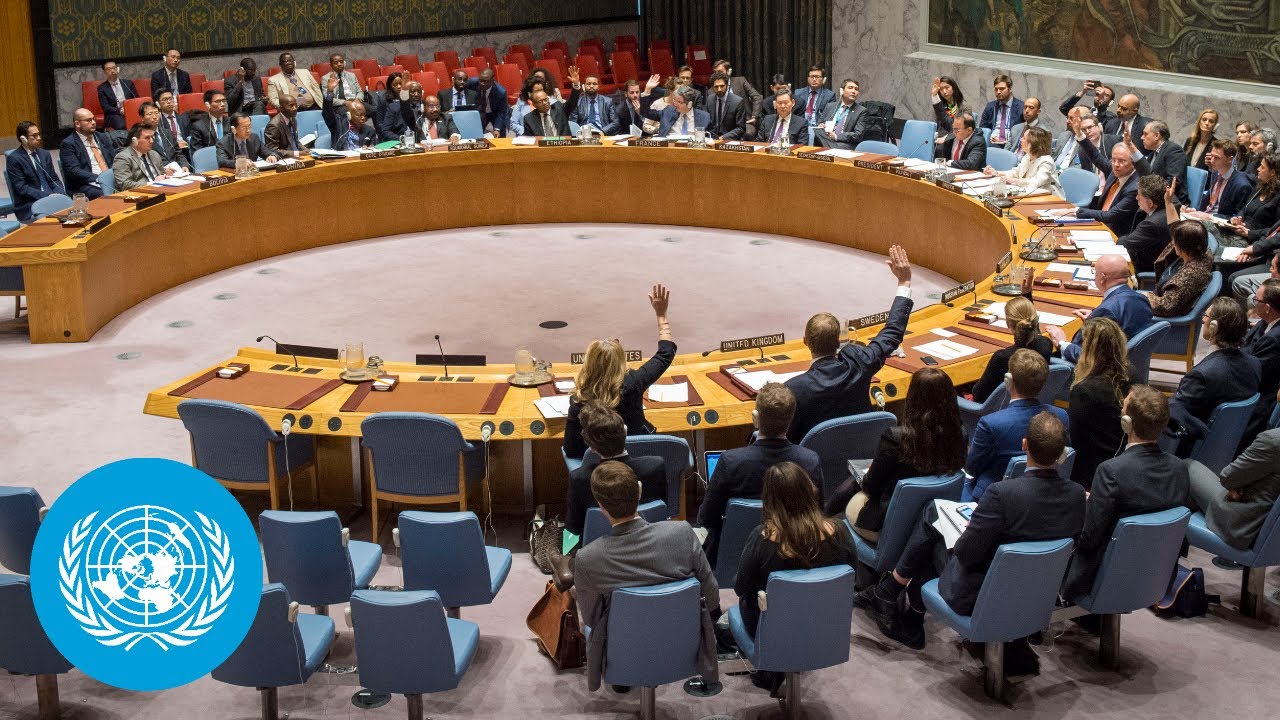
The United Nations Security Council today met on the situation in Gaza, with speakers calling for an end to fighting, the release of the hostages and a halt to man-made famine, destruction and death. Among those addressing the Council were senior United Nations officials, a released hostage and the Permanent Observer of the Permanent Observer Mission of the State of Palestine to the UN.
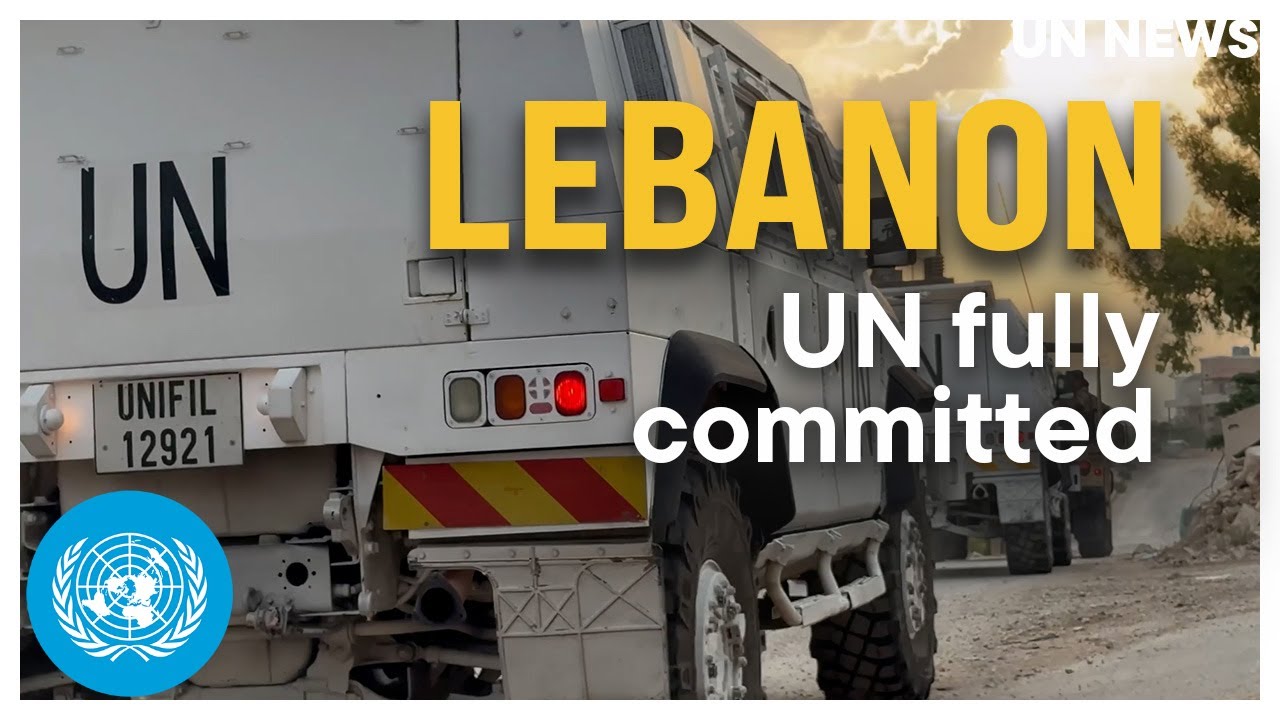
The UN Interim Force in Lebanon’s mandate is up for renewal by the Security Council at the end of this month. UNIFIL Spokesperson, Andrea Tenenti, says that UNIFIL remains committed to supporting stability efforts between Lebanon and Israel and will work based on the outcome of the mandate.
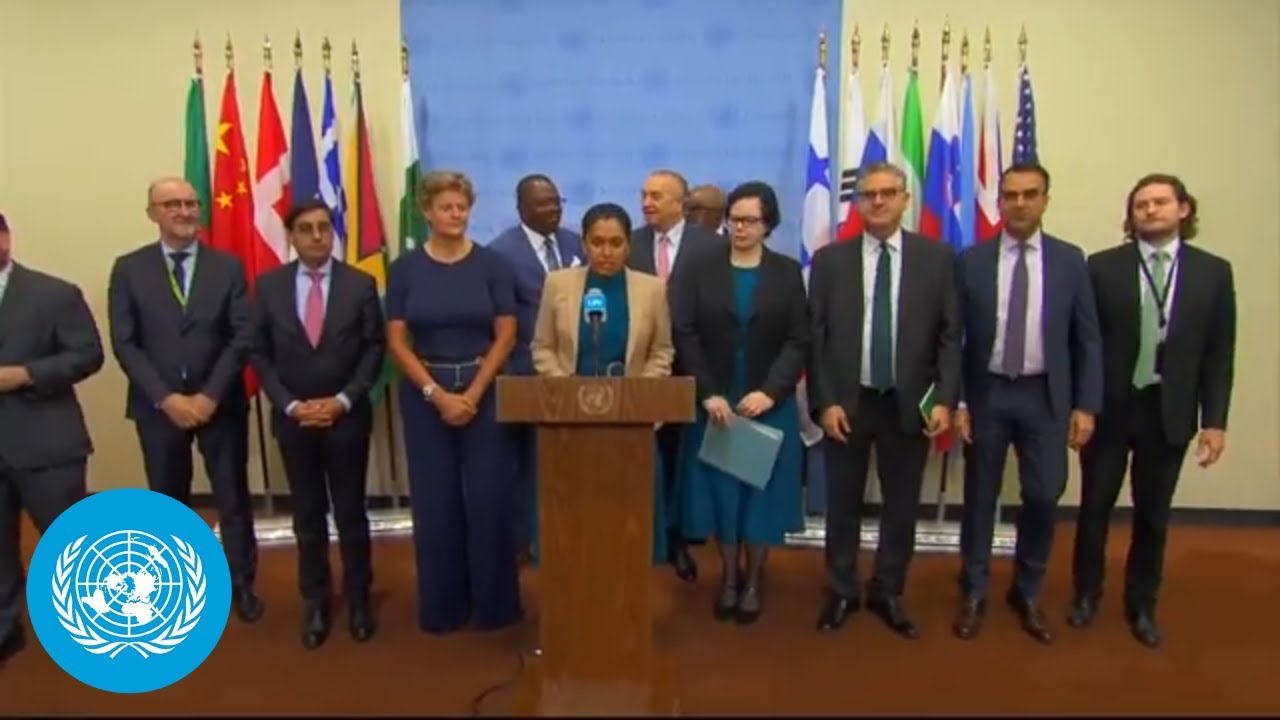
Joint Press Encounter by Trishala Simantini Persaud, Chargé d’affaires and Deputy Permanent Representative of Guyana to the United Nations, and Ondina Blokar Drobic, Chargé d’affaires and Deputy Permanent Representative of Slovenia to the United Nations, on behalf of Guyana, Slovenia, Algeria, China, Denmark, France, Greece, Pakistan, Panama, the Republic of Korea, the Russian Federation, Sierra Leone, Somalia and the United Kingdom, on the situation in the Middle East.
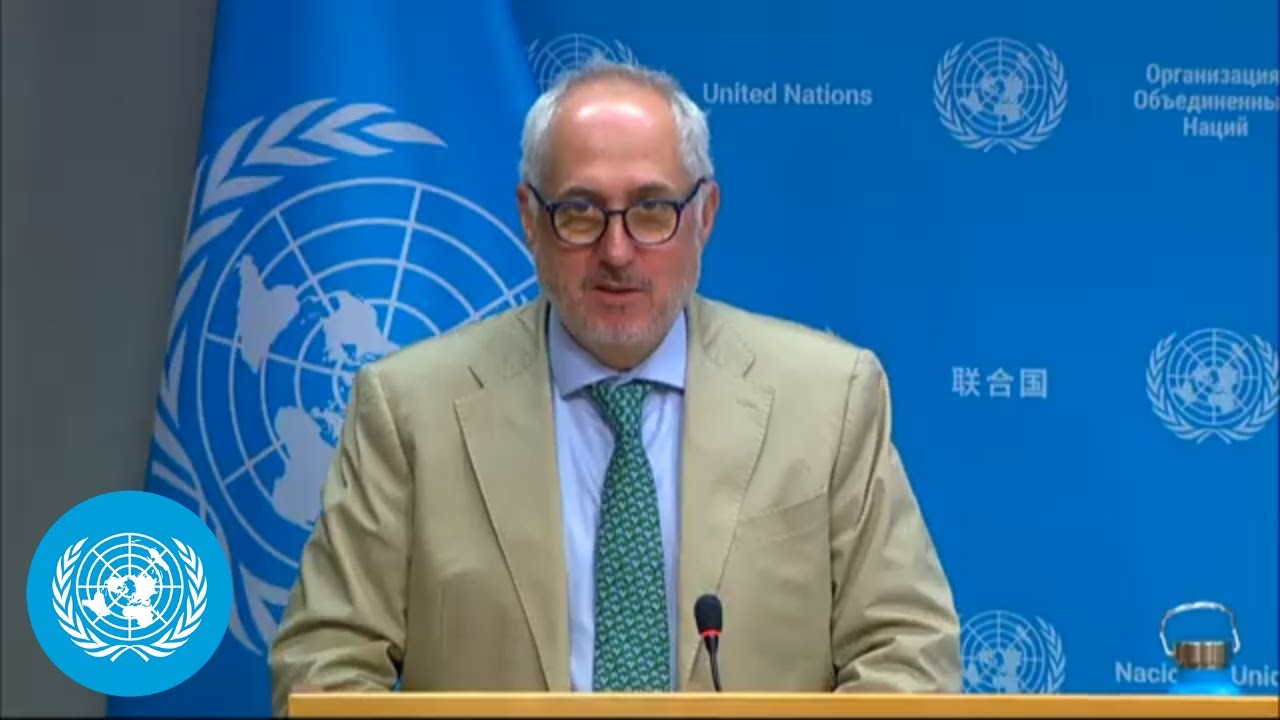
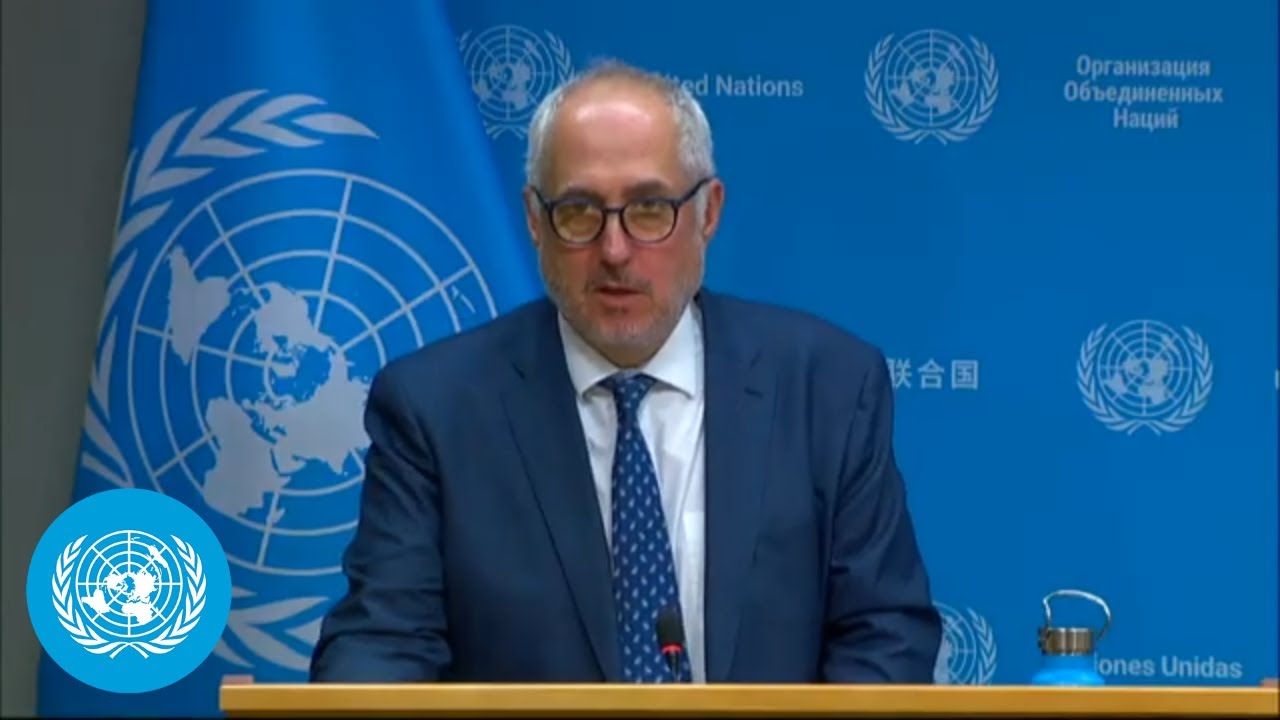
Noon Briefing by Stéphane Dujarric, Spokesperson for the Secretary-General.
Highlights:
Security Council/Middle East
Occupied Palestinian Territory
Lebanon/Israel
Sudan
Security Council
World Lake Day
Guest Tomorrow
SECURITY COUNCIL/MIDDLE EAST
This morning, the Security Council held its monthly meeting on the situation in the Middle East, including the Palestinian Question. Briefing the Council members via videoconference were Ramiz Alakbarov, our Deputy Special Coordinator for the Middle East Peace Process, and Joyce Msuya, the Deputy Emergency Relief Coordinator.
They both expressed their ongoing deep concern about the situation on the ground in the Occupied Palestinian Territory.
Mr. Alakbarov described the situation in Gaza as one that is sinking deeper into disaster, with mass displacement, high human casualties and now famine. Hostages held by Hamas and other Palestinian armed groups continue to languish in appalling conditions, Mr. Alakbarov reminded Council members.
He urged all sides to put an end to this brutal war immediately.
Ms. Msuya, for her part, called for safe, rapid and unimpeded humanitarian access through all entry points into Gaza and to all people in need across the Gaza Strip.
She said that in order to meet the needs of 2.1 million hungry and starving people, we need to bring in, and deliver, greater volumes of life-saving assistance. We need the restrictions on essential items to be lifted. And we need to halt the delays and the denials that impede and hamper our work on the ground every single day.
OCCUPIED PALESTINIAN TERRITORY
The United Nations Office for the Coordination of Humanitarian Affairs (OCHA) today said that ongoing strikes have intensified especially in and around Gaza city, killing and injuring people, causing destruction, and forcing displacement.
While some medicines and medical supplies have reached Gaza, medical equipment and spare parts, which are items subject to Israeli restrictions, are urgently needed. As mentioned yesterday, hospitals are reporting shortages of blood, placing more lives at risk as hospitals continue to receive mass casualties.
Colleagues working on water, sanitation, and hygiene warn that access to water remains extremely limited.
With the majority of infrastructure destroyed over the course of the war, the entry of spare parts, generators and equipment must be facilitated so it is to rehabilitate critical water facilities. Partners have also noted that ongoing operations in northern Gaza and the recent displacement orders mean that people could be forced away from areas where facilities indispensable for their survival are actually accessible. The facilities themselves could also be damaged or destroyed.
Meanwhile, multiple organizations’ attempts to bring shelter items into the Gaza Strip are being rejected by the Israeli authorities. As we repeatedly said here, many tents and tarpaulins that are being used by civilians who are being forced to move and been displaced multiple times, those items have worn out and must urgently be replaced. In addition, high tides overnight have submerged tents on the beach, which impacted about 200 families, according to what our colleagues are telling us.
Tents and other shelter equipment must be allowed into all parts of Gaza, including directly to northern Gaza and into Gaza city, where they are desperately needed.
And just to mention an occasion that is supposed to be a happy one in the lives of children and their families: the new school year, is approaching. Gazan children for the third consecutive year will miss this occasion. Education is a fundamental right, and no child should be denied this right. Access to education must be protected, it must be restored, as the current crisis threatens the future of an entire generation of children in Gaza.
UN mine action partners also tell said that the expansion of military operations in Gaza will put more people at risk of harm due to explosive ordnance. Explosive ordnance risk education is an important part of ensuring people’s safety, and partners continue to offer these sessions to communities and carry out explosive hazard assessments to reduce the risks to all aid workers.
Finally, the UN reiterates once again that a permanent ceasefire and an immediate and unconditional release of all hostages being held in Gaza and those arbitrarily detained remains paramount.
Full Highlights: https://www.un.org/sg/en/content/noon-briefing-highlight?date%5Bvalue%5D%5Bdate%5D=27%20August%20202…
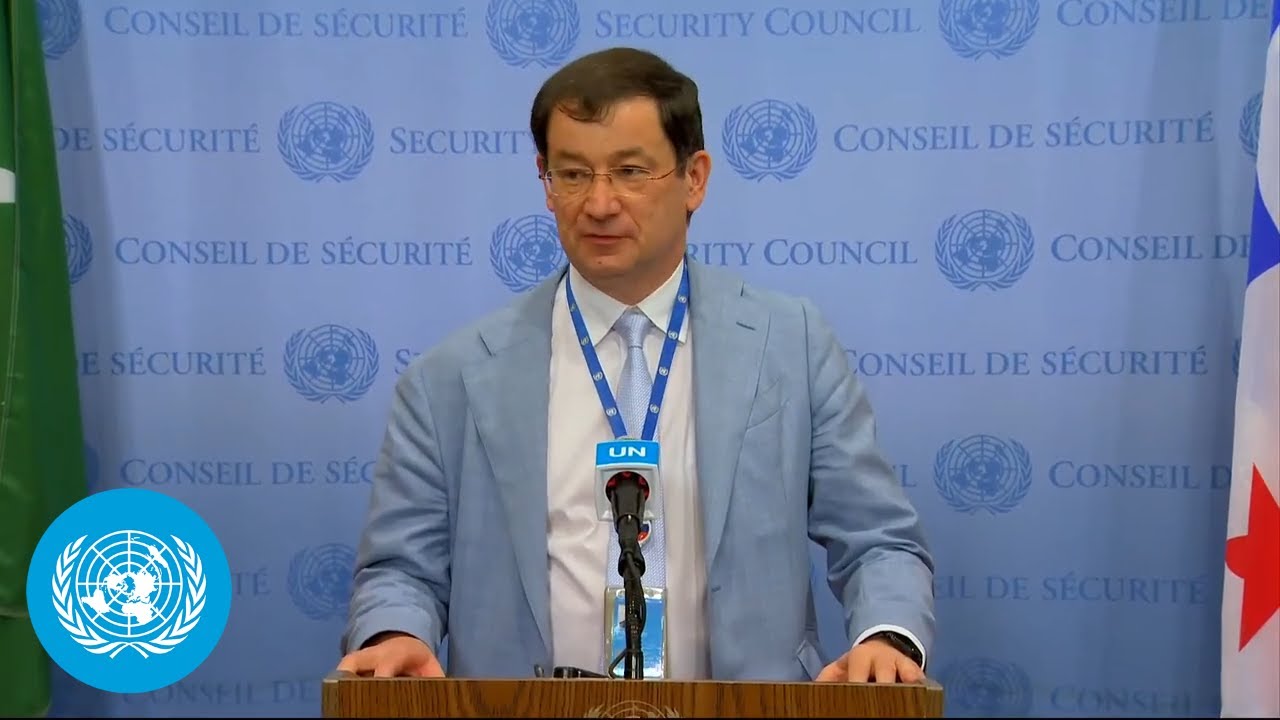
Informal comments to the media by Dmitry Polyanskiy, Chargé d’Affaires of the Russian Federation to the United Nations, on the situation on threats to international peace and security (Nord Stream).
Noon Briefing by Stéphane Dujarric, Spokesperson for the Secretary-General.
Highlights:
Artificial Intelligence
Deputy Secretary-General Travel
Occupied Palestinian Territory
Sudan
Security Council
Water, Sanitation and Hygiene
Thailand
ARTIFICIAL INTELLIGENCE
The Secretary-General warmly welcomes the General Assembly’s decision to establish two new mechanisms within the United Nations to promote international cooperation on the governance of artificial intelligence (AI).
The establishment of the United Nations Independent International Scientific Panel on AI and the Global Dialogue on AI Governance marks a significant step forward in global efforts to harness the benefits of artificial intelligence while addressing its risks. This pathbreaking milestone underlines Member States’ commitment to build on the Global Digital Compact adopted as part of the Pact for the Future in September 2024.
The Global Dialogue on AI Governance will provide an inclusive platform within the United Nations for states and stakeholders to discuss the critical issues concerning AI facing humanity today.
The Scientific Panel on AI will serve as a crucial bridge between cutting-edge AI research and policymaking. By providing rigorous, independent scientific assessments, it will help the international community to anticipate emerging challenges and make informed decisions about how we govern this transformative technology.
The Secretary-General will shortly be launching an open call for nominations for the Scientific Panel, which will present its annual reports at the Global Dialogue on AI Governance to take place in July 2026 in Geneva and 2027 in New York.
The Secretary-General calls on all stakeholders to support this historic initiative and contribute to building a future where artificial intelligence serves the common good of all humanity.
OCCUPIED PALESTINIAN TERRITORY
Turning to the situation in the Gaza Strip, the Office for the Coordination of Humanitarian Affairs cites a report today from the Ministry of Health that another three people have died from malnutrition and starvation in the past 24 hours, bringing the total number of such reported deaths to 303, including 117 children.
At the same time, the Israeli military has issued a new displacement order covering approximately one square kilometre in Gaza City’s Ad Daraj and Ash Sheikh Radwan neighbourhoods.
People continue to flee in fear for their lives, seeking safety wherever possible. Between 14 August – when the offensive on Gaza City was announced – and yesterday, partners tracking population movements in Gaza recorded more than 36,200 displacements, including over 11,600 from the north to the south of the Strip.
The majority of displaced people came from neighbourhoods in Gaza City, with more than two thirds moving to Deir al Balah and nearly a third heading to Khan Younis.
Turning to the health situation, yesterday, hospitals in Gaza warned of severe shortages of blood units, with daily needs exceeding 350 units. With many patients critically injured by hostilities, more blood is needed to save lives, yet community donations have plummeted due to famine and malnutrition. The Ministry of Health has issued an urgent appeal to replenish blood stocks in hospitals.
Meanwhile, obstructions imposed by the Israeli authorities on the flow of aid into and within the Gaza Strip continue to constrain delivery of life-saving assistance by the UN and its partners. Yesterday, six out of 12 planned missions that required coordination with the Israeli authorities were facilitated; most of them were to move supplies into and within southern Gaza and collect fuel from the Kerem Shalom crossing.
Another three missions to collect cargo from Kerem Shalom and Zikim were impeded and therefore only partially accomplished, while two other missions had to be cancelled by the organizers. One mission to carry out road repairs in Khan Younis was denied by the Israeli authorities.
OCHA stresses that with famine now confirmed in Gaza governorate, the humanitarian consequences of ongoing hostilities, displacement, and aid obstruction are even more devastating. We urgently call for an immediate ceasefire and full, unhindered humanitarian access across the entire Strip to bring an end to the suffering of civilians.
Full Highlights: https://www.un.org/sg/en/content/noon-briefing-highlight?date%5Bvalue%5D%5Bdate%5D=26%20August%202025
————————
The UNTV Channel is available 24 hours a day with selected live programming of United Nations meetings and events as well as with pre-recorded video features and documentaries on various global issues.
Watch more Live and on-demand events in six languages directly from UN Web TV at: http://webtv.un.org
مشاهدة المزيد من الأحداث الحية وعند الطلب في اللغة العربية مباشر من تلفزيون الأمم المتحدة على شبكة الإنترنت
: http://webtv.un.org/ar
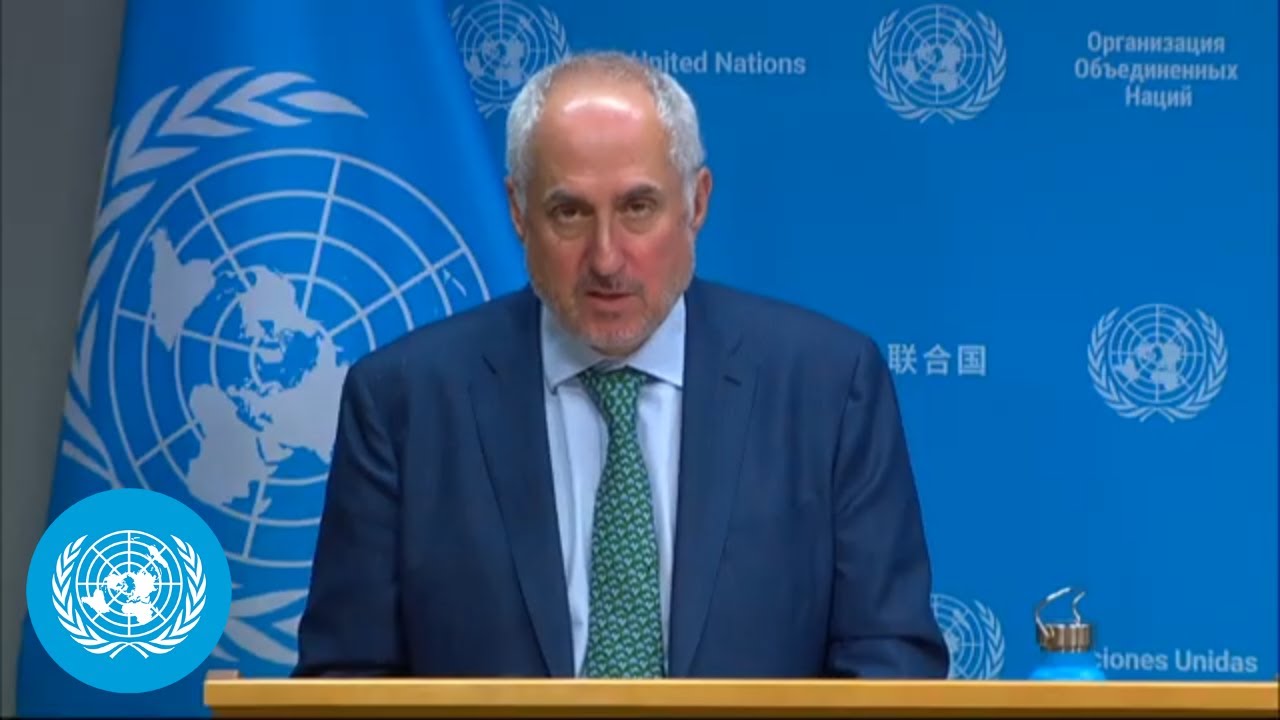
Noon Briefing by Stéphane Dujarric, Spokesperson for the Secretary-General.
Highlights:
– Secretary-General / Gaza
– Occupied Palestinian Territory
– Lebanon / Israel
– Israel / Houthis
– Sudan
– Syria
– Pakistan
– Rohingya People and other Communities / Myanmar
SECRETARY-GENERAL/GAZA
The Secretary-General strongly condemns the killing of Palestinians today in Israeli strikes that hit Nasser Hospital in Khan Younis in the Gaza Strip. Those killed in addition to civilians, included medical personnel and journalists.
We want to extend our condolences to families and colleagues of those journalists killed, especially those representatives of the Associated Press, Reuters and Al Jazeera, who are in this room or online.
These latest horrific killings highlight the extreme risks that medical personnel and journalists face as they carry out their vital work amid this brutal conflict.
The Secretary-General recalls that civilians, including medical personnel and journalists, must be respected and protected at all times. He calls for a prompt, and impartial investigation into these killings.
He reiterates that medical personnel and journalists must be able to perform their essential duties without interference, without intimidation, and without harm, and in full accordance with international humanitarian law.
The Secretary-General reiterates his call for an immediate and permanent ceasefire, unfettered humanitarian access across Gaza and for the immediate and unconditional release of all hostages being held in Gaza.
OCCUPIED PALESTINIAN TERRITORY
The Office for the Coordination of Humanitarian Affairs (OCHA) warns that ongoing air strikes and hostilities, including attacks on healthcare, are causing further casualties and damaging or destroying critical civilian infrastructure in the Gaza Strip.
With famine conditions now confirmed in Gaza governorate, hunger and malnutrition among children are deepening. UN partners working on nutrition warn that in any food crisis, children with underlying health conditions are affected first and without proper nutrition, water and care, their condition worsens quicklier.
Less aid means more malnutrition; the UN and its partners continue to call for the unrestricted flow of humanitarian aid into and throughout Gaza.
Today, the Ministry of Health in Gaza said that 11 people have died from malnutrition and starvation in the past 24 hours. This brings the total number of people who have died due to malnutrition and hunger to 300. That, again, is according to the Gaza Ministry of Health.
Across the Strip, people continue to be displaced while seeking safety and shelter. UN partners tracking population movements in Gaza report that since 20 August, some 5,000 people are estimated to have been displaced from northern Gaza to Deir al Balah and Khan Younis. Some 8,000 others have been displaced to the west of Gaza City. This brings the total number of new displacements since the end of the ceasefire in mid-March to more than 800,000.
Meanwhile, OCHA warns that aid convoys in Gaza continue to face delays, they continue to face movement obstructions and many other obstacles. Yesterday, out of 15 humanitarian missions that required coordination, the Israeli authorities facilitated seven, which included the collection of fuel from Kerem Shalom crossing and its distribution to areas where it is needed most. Four missions had to be either cancelled by the organizers or were denied outright by Israeli authorities. The remaining ones were initially approved but then impeded on the ground and only partially accomplished.
UN partners said that several education facilities across the Gaza Strip, all used as shelters for displaced people, were attacked last week.
With local authorities announcing that final exams for over 35,000 high school students are due to be held in two weeks, we and our partners reiterate our call for the protection of education facilities in accordance with international humanitarian law.
Meanwhile, Israeli forces released a World Health Organization (WHO) colleague who had been detained now for more than a month. WHO welcomed the release and called, once again, for the protection of health staff and all humanitarians workers.
OCHA continues to call for the protection of civilians, including humanitarians, health workers and journalists. None should ever be a target.
LEBANON/ISRAEL
The United Nations Interim Force in Lebanon (UNIFIL) reports continued Israel Defense Forces’ military activities, including air violations and patrolling, in southern Lebanon.
Full Highlights: https://www.un.org/sg/en/content/noon-briefing-highlight?date%5Bvalue%5D%5Bdate%5D=25%20August%202025
“We are in a race against time,” said Rein Paulsen, Director of the Office of Emergencies and Resilience at the Food and Agriculture Organization (FAO), as UN agencies briefed on the latest Integrated Food Security Phase Classification (IPC) analysis confirming famine conditions in Gaza.
Paulsen said the findings lay out “the scale, the nature, and the magnitude of the famine unfolding.” According to the IPC report, more than half a million people in Gaza are facing catastrophic deprivation and “over one million people, some 54 per cent of the population, are facing what’s classified as Emergency Phase Four. By the end of September, famine is projected to further expand to the Governorates of Deir al-Balah and Khan Yunis,” Paulsen noted.
Jean-Martin Bauer, Director of the WFP’s Food Security and Nutrition Analysis Service, said the confirmation reflects extreme conditions. “What we have is extreme food deprivation, widespread acute malnutrition, and starvation-related deaths, and that should all make us pause,” he said.
“When a famine is confirmed, it also means that we’re not just in an extreme food crisis. It means we’ve crossed the tipping point,” Bauer added. “We’re not in a mathematical problem where we can say that X money or X million dollars or Y trucks will solve this problem. The problem becomes much more complex, especially in the case of the exponentially rising number of people facing malnutrition.”
He highlighted the rarity of such declarations. “Since the IPC itself was created more than 20 years ago, this is only the fifth time that there has been a famine confirmation. There was one in 2011 in Somalia, 2017 in South Sudan, 2020 in South Sudan again, and then in 2024 in Sudan,” Bauer said. “So, this is a historic moment; we also have two concurrent famines – Gaza and Sudan. To have two famines at the same time, that’s something that’s absolutely unprecedented. What this also constitutes is the first famine that has been confirmed in the Middle East.”
The situation is particularly grave for children, a UNICEF official warned. “Within this humanitarian emergency in Gaza, there’s a real child survival crisis,” said Samir Elhawary, Acting Deputy Director of Emergency Programs at UNICEF. “We see malnutrition accelerating at a catastrophic pace, and for many, far too many children, it’s already too late.”
Elhawary said aid restrictions had long been pushing children into extreme food poverty. “The signs were unmistakable: children with wasted bodies, too weak to cry or to eat; babies dying of hunger and preventable disease; and parents arriving at clinics without enough food to feed their children.”
He added that the numbers continue to surge. “Last month alone, approximately 13,000 children in Gaza were identified as acutely malnourished,” Elhawary said. “That’s the highest monthly figure ever recorded since the beginning of the war, and it’s a six-fold increase since the beginning of this year.”
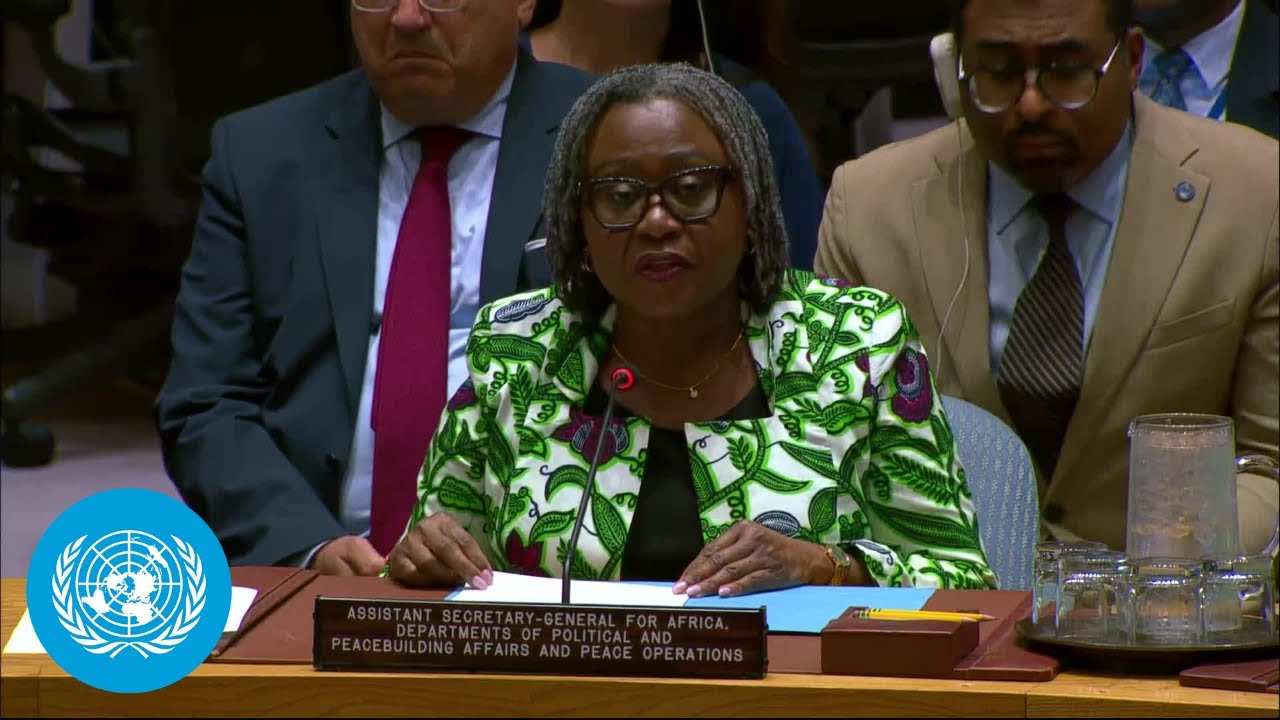
UN Assistant Secretary-General for Africa said the evolution of the security situation in eastern Democratic Republic of the Congo (DRC) has not matched the progress achieved on the diplomatic front.
Addressing the Security Council today (22 Aug), Martha Ama Akyaa Pobee said, “Regrettably, the evolution of the security situation on the ground has not matched the progress achieved on the diplomatic front, while the parties are yet to comply with their obligations under Security Council resolution 2773.”
She continued, “The number of civilian casualties has risen dramatically. Humanitarian workers are risking their lives to provide limited assistance to a population whose needs continue to grow. Conflict-related sexual violence persists, amid general indifference.”
She added, “The forced recruitment of children continues. As the school year is about to start, thousands of other children will be unable to go to school, because of insecurity. Despite a relative lull in direct clashes, the parties continue to deploy troops and transfer weapons along the front lines.”
She said, “Today, 5.9 million Congolese are internally displaced, including one million in North Kivu and 1.5 million in South Kivu. Families are repeatedly uprooted, caught in a cycle of fear and constant displacement. This relentless instability not only erodes social cohesion but threatens any prospect for long-term peace and recovery.”
She stressed, “The adoption by the DRC and Rwanda of the terms of reference of the Joint Oversight Committee, the Joint Coordination Mechanism of the Washington Agreement, and the declaration of principles for a regional economic integration framework, are encouraging. It should be emphasized, at the same time, that while commitment to process is welcome, it is no substitute for an actual cessation of hostilities on the ground and genuine steps to end the privations of conflict in eastern DRC.”
Also addressing the Council today, Zénon Mukongo Ngay, Permanent Representative of the Democratic Republic of the Congo to the United Nations, said, “Despite all these peace initiatives, we remain concerned, in light of recent developments, about the sincerity of Rwanda’s commitment and that of their AFC/M23 auxiliaries, who persist in trampling on their obligations under the Washington Peace Agreement and the Doha Declaration of Principles.”
Martin Ngoga, Permanent Representative of Rwanda to the United Nations said, “It is non-negotiable the territorial integrity of the DRC, so is the territorial integrity of neighbors of DRC, including Rwanda. And the territorial integrity and obligations of any member Country of the UN include fair treatment of citizens. Sovereignty comes along with obligations. The DRC must stop mistreating or treating part of their population as lesser than citizens.”
Cookies are used on our website to make your use as comfortable as possible. These so-called essential cookies are stored in your browser because they are essential for the basic functions of the website.
We also use third-party cookies for online advertising on our sites. These cookies are only stored in your browser with your consent. By clicking here you agree to the use of these additional cookies or you can reject them:
This website uses cookies to improve your experience while you navigate through the website. Out of these, the cookies that are categorized as necessary are stored on your browser as they are essential for the working of basic functionalities of the website. We also use third-party cookies that help us analyze and understand how you use this website. These cookies will be stored in your browser only with your consent. You also have the option to opt-out of these cookies. But opting out of some of these cookies may affect your browsing experience.
Necessary cookies are absolutely essential for the website to function properly. These cookies ensure basic functionalities and security features of the website, anonymously.
Cookie
Duration
Description
cookielawinfo-checkbox-analytics
11 months
This cookie is set by GDPR Cookie Consent plugin. The cookie is used to store the user consent for the cookies in the category "Analytics".
cookielawinfo-checkbox-functional
11 months
The cookie is set by GDPR cookie consent to record the user consent for the cookies in the category "Functional".
cookielawinfo-checkbox-necessary
11 months
This cookie is set by GDPR Cookie Consent plugin. The cookies is used to store the user consent for the cookies in the category "Necessary".
cookielawinfo-checkbox-others
11 months
This cookie is set by GDPR Cookie Consent plugin. The cookie is used to store the user consent for the cookies in the category "Other.
cookielawinfo-checkbox-performance
11 months
This cookie is set by GDPR Cookie Consent plugin. The cookie is used to store the user consent for the cookies in the category "Performance".
viewed_cookie_policy
11 months
The cookie is set by the GDPR Cookie Consent plugin and is used to store whether or not user has consented to the use of cookies. It does not store any personal data.
Functional cookies help to perform certain functionalities like sharing the content of the website on social media platforms, collect feedbacks, and other third-party features.
Performance cookies are used to understand and analyze the key performance indexes of the website which helps in delivering a better user experience for the visitors.
Analytical cookies are used to understand how visitors interact with the website. These cookies help provide information on metrics the number of visitors, bounce rate, traffic source, etc.
Advertisement cookies are used to provide visitors with relevant ads and marketing campaigns. These cookies track visitors across websites and collect information to provide customized ads.